

Cricket is often remembered for big hits and fast bowling, but many matches are shaped by something much quieter: running between the wickets. A quick single, taken at the right moment, can keep the score moving, put pressure on the fielding side, and give a batter a chance to settle. A slow turn, a confused call, or a moment of hesitation can do the opposite, and can cost a wicket that did not need to be lost.
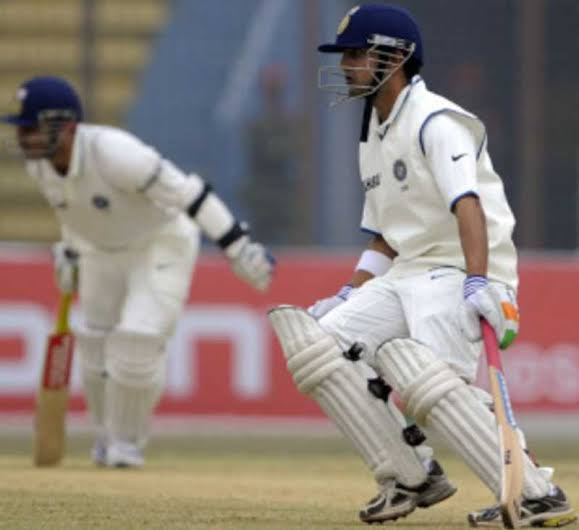
For new fans, running can look simple. The batter hits the ball, both batters run, and they cross. In reality, it is a skill built on communication, awareness, and timing. Batters must judge the ball, read the field, trust each other, and make a decision in a fraction of a second. They must also know when not to run, because a run that is not there can be more dangerous than a dot ball.
Why Running Between the Wickets Matters
Running matters because it keeps an innings alive. Not every ball can be hit to the boundary, and good bowling often makes boundaries hard to find. When batters run well, they turn good balls into singles, keep changing the strike, and stop the fielding side from settling into a comfortable rhythm. The bowler has to face a different batter more often, fielders have to stay alert, and the captain has to keep thinking about new plans.
Running also helps batters build an innings. A batter who is new at the crease can use singles to get used to the pace of the pitch, watch the ball closely, and gain confidence without taking big risks. A settled batter can use quick singles to stay active, keep the body moving, and avoid getting stuck at one end while pressure builds.
For the fielding side, sharp running creates doubt. A fielder who knows that batters will run hard must pick up the ball cleanly, throw accurately, and back up the throw. A small fumble, a slow pick-up, or a throw to the wrong end can turn one run into two. In this way, running is not just about speed. It is about putting the other team under constant, gentle pressure.
Calling: The Language of Running
Calling is how batters talk to each other while running, and it must be loud, clear, and early. The most common calls are simple. One batter may call for a run, the other may refuse it, and both must understand who is in charge of the decision at that moment. In general, the batter who can see the ball and the fielder best is in the best position to judge, and the partner should trust that judgement.
A good call is made with confidence. A quiet or uncertain call can leave both batters unsure, and that uncertainty is where run outs happen. Batters practise calling in training so that it becomes natural. They learn to shout, to use clear words, and to keep running once a decision has been made. Changing a decision halfway through a run is risky, because it can leave both batters stranded in the middle of the pitch.
Backing Up: Ready Before the Ball Is Hit
Backing up means being ready to run before the ball is even hit. As the bowler runs in, the batter at the non-striker's end takes a small step out of the crease, stays balanced, and watches the ball. This small movement is important. It gives the batter a head start if there is a run, and it helps the batter react quickly to a ball that is pushed into a gap.
Backing up is not about leaving too early or trying to gain an unfair advantage. It is about being alert and in a good position. A batter who stands still, with weight on the heels, will be slow to start. A batter who is balanced, on the balls of the feet, and watching the bowler's hand can move smoothly in either direction, whether the call is to run or to stay.
The striker also backs up in a different way. After playing a shot, the striker should stay aware of the ball, keep the bat ready, and be prepared to run or to return. A batter who admires a shot for too long can lose a valuable second. A batter who watches the fielder and listens for the call is ready for whatever comes next.
Turning Quickly and Safely
Turning is one of the most underrated skills in cricket. A batter who turns well can save time, stay balanced, and be ready for a second run. A batter who turns slowly, or who turns in a wide arc, can lose that time and give the fielding side a chance to attack the stumps.
A good turn starts before the batter reaches the crease. The batter slows slightly, lowers the body a little, plants a foot, and pushes off in the new direction. The bat should be grounded behind the crease, and the batter should stay low rather than standing tall and losing balance. A low, controlled turn is faster and safer than a high, loose turn.
Turning also requires awareness of the stumps and the fielder. A batter should know which end is under threat and should turn on the side that keeps the body and bat in a safe position. Batters practise turning again and again, because it must feel natural under pressure. In a close game, a clean turn can be the difference between safety and a run out.
Judging a Single: When to Run and When to Stay
Judging a single is about reading three things at once: where the ball has gone, where the fielders are, and how much time is available. A ball hit softly into a gap may still be a single if the fielder is slow to reach it. A ball hit firmly straight to a fielder is usually not a run, even if it looks tempting. The best batters judge quickly, but they do not guess wildly.
Field placement matters a great deal. If fielders are spread out, there may be more gaps and more chances for singles. If fielders are close in, a batter may need to be more careful, because a fielder can reach the ball quickly and throw at the stumps. Batters who notice the field before the ball is bowled are better prepared to judge the shot they have just played.
Speed also matters, but not only the speed of the batter. The speed of the fielder, the condition of the outfield, and the quality of the throw all play a part. A batter who knows a fielder has a strong, accurate throw will think twice before taking a risky single. A batter who sees a fielder fumbling, or a ball rolling slowly, may take the chance.
Avoiding Run Outs
Run outs happen when a batter is caught short of the crease while the fielding side breaks the stumps with the ball. They are painful because they often feel avoidable, and because they can change the mood of an innings. Avoiding run outs is less about raw speed and more about good habits.
The first habit is clear communication. Batters must call early, listen to each other, and stick to the decision once it is made. Mixed signals, where one batter runs and the other hesitates, are a common cause of run outs. A simple, loud call and a shared understanding can prevent many of these moments.
The second habit is awareness of the ball. A batter should keep an eye on the ball and the fielder when possible, rather than running with the head down for the whole run. This awareness helps the batter judge whether to push for a second run, slow down, or dive back safely.
The third habit is respect for the fielder. A direct hit can happen quickly, so batters should ground the bat, slide or dive when needed, and avoid taking a run that depends on a fielder making a mistake. Hope is not a running plan. A run should be taken because it is there, not because a batter hopes the throw will miss.Stay connected with cricbets99 for the latest cricket insights, match updates, and in-depth analysis.
Frequently Asked Questions
Q: What is the most important part of running between the wickets?
A: Communication is the most important part. Batters must call clearly, listen to each other, and trust the decision. Speed helps, but a fast batter with poor calling is still at risk of a run out.
Q: Who should make the call for a run?
A: The batter who has the best view of the ball and the fielder is usually best placed to judge. Partners should agree on a simple system before they bat, so there is no confusion in the middle.
Q: What is backing up, and why does it matter?
A: Backing up means being balanced and ready to move as the bowler delivers the ball. It gives the non-striker a quicker start, helps the batter react to gaps, and makes running feel smoother and safer.
Q: How can a batter avoid a run out?
A: Call early and clearly, watch the ball and the fielder, ground the bat, turn quickly, and only run when the chance is real. Avoid changing a decision halfway through a run, and avoid running on hope alone.
Q: Is a quick single always a good idea?
A: Not always. A quick single is valuable when it keeps the score moving and puts pressure on the fielders. When the fielder is well placed and the run is risky, staying put is often the smarter choice, especially for a new partnership.
Conclusion
Running between the wickets may not always make the highlights, but it is one of the purest team skills in cricket. It asks two batters to think together, communicate clearly, and trust each other under pressure. It rewards preparation, balance, and calm judgement more than raw speed alone.
For new players, the message is encouraging. Running well does not require great power or famous shots. It requires loud calling, smart backing up, quick turning, and honest judgement. Practise those habits, learn from mistakes, and running between the wickets will soon feel less like a risk and more like a strength.