Skip to content
  • Categories
  • Recent
  • Tags
  • Popular
  • Users
  • Groups
Skins
  • Light
  • Dark

Collapse
Brand Logo

Forum

J

johnphilip1903

@johnphilip1903
About
Posts
21
Topics
21
Groups
0
Followers
0
Following
0

Posts

Recent Best Controversial

  • Is 60 mg of tadalafil considered a high strength?
    J johnphilip1903

    I have been researching tadalafil products and noticed that some formulations are available in different strengths. One product I came across is Vidalista 60 mg, which contains 60 mg of tadalafil.

    I am trying to understand how this strength compares with the doses that are commonly used for erectile dysfunction. From what I have read, tadalafil dosage can depend on a person's health, other medicines, and how the treatment is intended to be used. So I assume that choosing a higher strength is not simply a matter of getting a stronger effect.

    I also noticed that there are several Vidalista formulations available. The Vidalista category provides information about the different products and strengths.

    For anyone who has researched tadalafil, how do you usually determine which strength is appropriate? Is it mainly based on a doctor's recommendation and medical history? I am particularly interested in understanding the safety considerations around higher-strength tadalafil rather than looking for a specific treatment recommendation.


  • What Should You Know About Vidalista CT 20mg Before Considering It?
    J johnphilip1903

    There are many tadalafil-based medicines available, and it can sometimes be difficult to understand the differences between products, strengths, and formulations. Vidalista CT 20mg is a medicine containing tadalafil, a phosphodiesterase type 5 (PDE5) inhibitor. Before considering any medicine containing tadalafil, it is useful to understand what the active ingredient does, what precautions may apply, and why a healthcare professional should be involved in decisions about its use.

    Tadalafil works by affecting an enzyme called PDE5 and supporting blood flow through the relaxation of certain blood vessels. The medicine is commonly associated with the treatment of erectile dysfunction, but its effects and appropriate use depend on the individual's health circumstances. The presence of a 20 mg strength does not mean that the same strength is appropriate for everyone. Medication decisions can depend on age, existing health conditions, other medicines, and previous treatment history.

    One important area to understand is medication interaction. Tadalafil can interact with nitrate medicines, and combining the two can cause a significant drop in blood pressure. People taking medicines for cardiovascular conditions should therefore discuss tadalafil with a qualified healthcare professional before using it. Other medicines may also require consideration, including certain blood-pressure medicines and drugs that affect how tadalafil is metabolized.

    Possible side effects can include headache, indigestion, back pain, muscle aches, flushing, nasal congestion, or dizziness. These effects do not necessarily occur in every person. However, symptoms such as chest pain, severe dizziness, sudden vision changes, sudden hearing changes, or a prolonged and painful erection require prompt medical attention.


  • What to Know About Vidalista Professional 20 mg
    J johnphilip1903

    Vidalista Professional 20 mg is a prescription medicine containing tadalafil as its active ingredient. Tadalafil belongs to the phosphodiesterase type 5 inhibitor group and is used in appropriate medical circumstances for the management of erectile dysfunction.

    Understanding the active ingredient is useful when researching any prescription medicine. Tadalafil works by affecting PDE5 activity and a signaling pathway involved in vascular relaxation and blood flow. Its use should be considered in the context of an individual's medical history and other medicines they may be taking.

    Anyone researching Vidalista Professional should also be aware that prescription treatment requires appropriate medical guidance. A healthcare professional can provide information about suitability, administration, potential interactions, and possible adverse effects based on individual circumstances.

    alt text


  • Sleep Science & Everyday Wellness
    J johnphilip1903

    I’m interested in learning more about sleep science and how sleep patterns can influence everyday life. I follow topics related to sleep quality, wakefulness, circadian rhythms, daytime sleepiness, and healthy routines. I enjoy reading informative discussions, learning from different experiences, and sharing useful information about sleep and the sleep-wake cycle.
    Visit: https://modaineurope.com/


  • Does anyone else experience repeated nighttime waking?
    J johnphilip1903

    I've been having an issue with repeated nighttime waking. I don't necessarily have trouble falling asleep initially, but I sometimes wake up several hours later and struggle to get back to sleep.

    I'm wondering how much normal changes in sleep stages can affect this. I've also been thinking about whether evening caffeine, stress, screen time, or an irregular bedtime could be making the problem worse.

    This article about nighttime awakenings and waking at 3 AM explains some of the possible reasons and made me think about my own sleep habits.

    For people who have dealt with something similar, did you find that changing your bedtime routine made a noticeable difference?


  • Understanding Modalert 100 mg and Daytime Sleepiness
    J johnphilip1903

    alt text
    I have been reading about medicines used for excessive daytime sleepiness and came across Modalert 100 mg, which contains modafinil. It is a wakefulness-promoting medicine associated with conditions such as narcolepsy, obstructive sleep apnea, and shift work sleep disorder.

    What I found interesting is that modafinil does not simply work like a conventional stimulant. It affects several neurological pathways involved in wakefulness, including dopamine signaling through interaction with the dopamine transporter. Other neurotransmitter systems are also involved in its overall pharmacological activity.

    I think it is important to understand that daytime sleepiness can have different causes, so treatment should depend on the underlying condition. Modalert 100 mg can also have side effects such as headache, nausea, dizziness, nervousness, and difficulty sleeping. Anyone considering modafinil should discuss it with a qualified healthcare professional, particularly if they are already taking other medicines.

    Has anyone here researched how different sleep disorders can affect daytime alertness? I would be interested in hearing what others have learned about the relationship between sleep disorders, wakefulness, and treatment options.


  • How Sleep Quality Can Affect Daytime Focus and Alertness
    J johnphilip1903

    Sleep plays an important role in how people feel and function during the day. When sleep quality is poor or the sleep schedule changes frequently, some people may notice difficulty maintaining attention, daytime tiredness, or reduced productivity. This has made sleep and wakefulness an interesting topic for me to explore.

    I have recently been reading about subjects such as circadian rhythms, sleep inertia, daytime sleepiness, and the biological processes involved in maintaining wakefulness. I also came across Modaineurope while exploring general information about sleep and wakefulness-related topics. I found the subject interesting because there are many different factors that can influence how alert someone feels during the day.

    I would be interested to hear how other people approach this topic. Do you notice a difference in your concentration after getting a consistent night's sleep? Have changes in your sleeping schedule ever affected your productivity or ability to stay focused? I think comparing everyday experiences and learning about the science behind sleep can make this a useful discussion.


  • Why Sleep Quality Matters for Daily Alertness
    J johnphilip1903

    Sleep is not only about how many hours we spend in bed. The quality and timing of sleep can also affect how alert and focused we feel during the day. People with irregular schedules, disrupted sleep, or certain sleep-related conditions may notice daytime tiredness even when they believe they have slept enough.

    I have recently been reading more about sleep health, circadian rhythms, daytime sleepiness, and conditions such as narcolepsy and sleep apnea. I found Moda in Europe useful because it also covers educational information around sleep-related conditions and wakefulness.

    One topic I found particularly interesting is sleep inertia — that heavy, foggy feeling some people experience immediately after waking. Understanding sleep patterns and maintaining consistent sleep habits can be a useful starting point for improving overall sleep awareness.

    For anyone interested in learning more about sleep health and daytime alertness, Moda in Europe has articles covering these subjects as well as information about sleep-related treatments. Persistent or severe daytime sleepiness should always be discussed with a qualified healthcare professional.

    https://modaineurope.com/


  • Can an Irregular Sleep Schedule Affect Alertness?
    J johnphilip1903

    An irregular sleep schedule can make daytime alertness difficult to manage, especially for people who regularly work nights, rotate shifts, or have inconsistent sleeping hours. Even when someone tries to catch up on sleep later, changing sleep and wake times can make maintaining a regular routine challenging.

    I recently came across information about Modacare MD 200 mg while reading about treatments related to daytime sleepiness. It contains 200 mg of modafinil and is formulated as a mouth-dissolving tablet. Modafinil is used in specific medical circumstances involving excessive daytime sleepiness, including shift work sleep disorder and certain other sleep-related conditions.

    Of course, medication isn't necessarily the answer to ordinary tiredness. Understanding sleep patterns and identifying possible underlying problems should come first. Modafinil can also have side effects and interactions, which is why its use should be discussed with a healthcare professional.

    How do people here manage alertness when their normal sleep schedule gets disrupted? Has changing the timing of sleep made a noticeable difference for you?


  • Understanding Modalert 200 mg and Daytime Sleepiness
    J johnphilip1903

    alt text
    Daytime sleepiness can make it difficult to stay focused and alert, particularly when it is connected with an underlying sleep-related condition or an irregular work schedule. While improving sleep habits and maintaining a consistent routine are important first steps, some people may still experience persistent excessive daytime sleepiness and may need to discuss it with a healthcare professional.

    I recently came across Modalert 200 mg, which contains 200 mg of modafinil, a wakefulness-promoting medicine used for certain medical conditions associated with excessive daytime sleepiness. It is different from an ordinary energy supplement and should be considered only with appropriate medical guidance. I was interested in learning more about how Modalert 200 mg is generally discussed in relation to daytime sleepiness, its role in treatment, and the precautions people should understand before using a medicine containing modafinil. What factors should someone discuss with a healthcare professional before considering this type of treatment?


  • What Should You Know About Modafil MD 100 mg?
    J johnphilip1903

    alt text
    I recently came across Modafil MD 100 mg while researching medicines used for excessive daytime sleepiness. I wanted to understand what makes this formulation different and what people generally consider before discussing it with a healthcare professional.

    Modafil MD 100 mg contains modafinil as its active ingredient and is available as a mouth-dissolving tablet. According to the product information, it is used in situations involving excessive daytime sleepiness, including narcolepsy, obstructive sleep apnea, and shift work sleep disorder.

    One aspect that makes this product interesting is the mouth-dissolving formulation. Some people may find this type of dosage form convenient, although convenience does not mean that the medicine is appropriate for everyone. The underlying reason for daytime sleepiness is also important because persistent tiredness can have several possible causes.

    Another thing worth considering is that modafinil is a prescription medicine and should not simply be taken based on someone else's experience. The product information lists possible side effects including headache, nausea, nervousness, insomnia, dizziness, dry mouth, and reduced appetite. There are also warnings about more serious reactions, which is why professional advice is important.

    Medication interactions are another area that seems easy to overlook. Modafinil may interact with certain medicines and substances, including some antidepressants, anticonvulsants, anticoagulants, hormonal contraceptives, opioids, alcohol, caffeine, and grapefruit products. Anyone already taking medication should therefore discuss their complete medication list with a healthcare professional.

    For those researching it, the Modafil MD 100 mg product page provides information about its active ingredient, formulation, uses, precautions, side effects, and interactions.

    Has anyone else researched Modafil MD 100 mg before? I'm particularly interested in hearing what questions people asked their doctor before considering it and whether the mouth-dissolving formulation was an important factor in their decision. General experiences and information would be useful for anyone researching the topic.


  • I came across Modvigil 200 mg while researching different approaches to excessive daytime sleepiness.
    J johnphilip1903

    alt text
    The product contains 200 mg of modafinil, which is a wakefulness-promoting medicine. It is associated with conditions such as narcolepsy, obstructive sleep apnea, and shift-work disorder. What caught my attention is that it isn't simply intended as a replacement for sleep.

    People working rotating or overnight shifts can have a particularly difficult time maintaining a normal sleep-wake schedule. However, daytime sleepiness can have many causes, so I think understanding the underlying problem is more important than simply looking for something that increases alertness.

    I’m also curious about the safety side. Modafinil can have potential side effects such as headache, nausea, dizziness, anxiety, and difficulty sleeping, and it may interact with other medicines.

    For those who have researched this topic, what questions would you recommend asking a doctor before discussing a medicine such as Modvigil 200 mg?

    Interested in hearing different perspectives, especially from people who have researched sleep-wake disorders.


  • Modafinil and excessive daytime sleepiness – general discussion
    J johnphilip1903

    alt text
    Excessive daytime sleepiness seems to be a topic that is often confused with simply being tired. However, persistent sleepiness can sometimes be associated with an underlying sleep disorder or an irregular sleep schedule. Modafinil is one prescription medicine used in specific situations to improve wakefulness, including certain cases involving narcolepsy, obstructive sleep apnea, and shift work disorder.
    While researching the subject, I found ModaCharge 200 mg (Modafinil). I think the important point is that a 200 mg strength does not mean it is appropriate for everyone. Medical history, other medicines, and the actual cause of excessive sleepiness all need to be considered. Prescription medicines should be used only under appropriate medical guidance, rather than taken based on someone else's experience.
    For anyone researching the subject, the product information is available here:
    https://mindfuelsgermany.com/product/modacharge-200-mg-modafinil/
    Personally, I find the responsible-use aspect of the topic more useful than claims about productivity or energy. It would be interesting to hear how others distinguish ordinary fatigue from sleepiness that may need professional evaluation.


  • How Does Shift Work Affect Daytime Alertness?
    J johnphilip1903

    alt text
    Shift work can make maintaining a regular sleep schedule difficult. Working at night and sleeping during the day can sometimes interfere with the body's normal sleep-wake rhythm, which may contribute to excessive sleepiness during working hours or difficulty staying alert.

    While researching this subject, I came across armodafinil, a prescription medicine that promotes wakefulness. Armodavinil 150 mg contains armodafinil and may be used under medical supervision for excessive daytime sleepiness associated with shift work sleep disorder and certain other sleep-related conditions.

    What I found interesting is that medication is only one part of the discussion. Sleep timing, sleep environment, work schedules, and the underlying cause of sleepiness can all matter. A wakefulness-promoting medicine shouldn't be considered a replacement for sufficient sleep.

    I also learned that prescription medicines can have side effects and interact with other medicines, so a healthcare professional needs to consider individual circumstances.

    For people interested in learning more about armodafinil and its medical context, this is a useful starting point: https://mindfuelsgermany.com/product/armodavinil-150mg/

    How do other shift workers manage their sleep schedule and daytime alertness?


  • Why Can Excessive Daytime Sleepiness Affect Everyday Life?
    J johnphilip1903

    Daytime sleepiness can be frustrating when it continues even after getting what seems like enough sleep. It can affect concentration, productivity, study, work, and even normal social activities. The important thing is to understand whether the problem is simply related to sleep habits or whether an underlying sleep disorder could be involved.

    Conditions such as narcolepsy, obstructive sleep apnea, and shift-work disorder can contribute to excessive daytime sleepiness. In some situations, doctors may consider prescription wakefulness-promoting medicines as part of an overall treatment plan. Armodafinil is one medication that may be prescribed for certain sleep-related conditions, but it should only be used under appropriate medical guidance.

    I recently came across information about Armodacare 150 mg, which contains armodafinil. The product information can be useful for people researching the medication, but it shouldn't replace advice from a qualified healthcare professional.

    For anyone dealing with persistent daytime sleepiness, I think identifying the underlying cause should come before considering any medication.

    Has anyone here experienced persistent daytime sleepiness despite maintaining a regular sleep schedule? What helped you identify the underlying cause?
    alt text


  • Armodacare 150 mg and Irregular Sleep Schedules
    J johnphilip1903

    Hello everyone,

    I’m interested in learning more about the relationship between irregular sleep schedules and daytime sleepiness. During my research, I came across A**rmodacare 150 mg**, which is associated with armodafinil.

    I understand that armodafinil is a prescription medicine used in certain situations involving excessive sleepiness. However, I think understanding the reason behind persistent sleepiness is just as important as learning about potential treatments.

    I found the Armodacare 150 mg product page on Modaineurope.com and wanted to hear how others approach researching this subject.

    For those who have looked into armodafinil, what factors did you consider before discussing it with a healthcare professional?

    alt text


  • What are some common reasons people feel unusually sleepy during the day?
    J johnphilip1903

    I’ve been reading more about daytime sleepiness lately, and one thing that seems easy to overlook is that feeling tired during the day doesn’t always have one obvious explanation.
    alt text

    Sleep duration is an obvious factor, but sleep quality and consistency can matter too. Someone might spend enough hours in bed but still wake up feeling unrefreshed because their sleep is frequently interrupted or their schedule changes from one day to the next. Shift work, late-night screen use, irregular bedtimes, stress, and lifestyle habits can also make it harder to maintain a consistent sleep pattern.

    Another thing worth considering is whether daytime sleepiness happens occasionally or becomes a regular problem. Keeping a simple record of bedtime, wake time, nighttime interruptions, caffeine intake, and periods of daytime drowsiness could make it easier to identify patterns.

    If someone regularly struggles to stay awake despite getting adequate sleep, I think it makes sense to discuss it with a healthcare professional rather than simply trying random products or stimulants. There can be different underlying reasons, and the appropriate approach depends on the individual situation.
    https://modaineurope.com/product/modacare-elite-250/

    For anyone who has dealt with persistent daytime sleepiness, did tracking your sleep schedule help you identify anything that you hadn't noticed before?


  • What Should People Know About Modvigil MD 200 mg?
    J johnphilip1903

    I have been researching medicines containing modafinil and came across Modvigil MD 200 mg. From the product information, it is a wakefulness-promoting medicine associated with certain conditions involving excessive daytime sleepiness.

    I’m particularly interested in understanding how modafinil is used in medical settings and what factors doctors consider before recommending it. I also noticed that Modvigil MD is available in a mouth-dissolving formulation, which seems different from conventional tablets.

    For anyone familiar with this topic, what are the main things a person should discuss with a healthcare professional before considering a modafinil-based medicine? I’m also interested in general information about possible interactions, precautions, and common side effects.

    I think it is important to approach prescription medicines based on proper medical advice rather than treating them as a general solution for everyday tiredness.
    alt text


  • What should people know about Modvigil 200 mg and modafinil?
    J johnphilip1903

    Hi everyone,
    I’ve been looking into medicines used for excessive daytime sleepiness and came across Modvigil 200 mg, which contains modafinil. I found that modafinil is a wakefulness-promoting medicine commonly discussed in connection with conditions such as narcolepsy, obstructive sleep apnea, and shift work sleep disorder.
    What caught my attention is that daytime sleepiness can have many different causes. Poor sleep schedules, work shifts, sleep disorders, and other health-related factors can all affect how alert someone feels during the day. Because of this, I think it is important to understand the reason behind persistent sleepiness rather than simply treating tiredness on its own.Modvigil 200 mg contains 200 mg of modafinil, but I understand that the appropriate dose and treatment approach can vary from person to person. Medical history and other medicines may also be relevant when considering whether this type of treatment is appropriate.
    I’m interested in hearing from others who have researched modafinil or sleep-wake disorders. What information do you think is most important to understand before discussing a medicine such as Modvigil 200 mg with a healthcare professional? Are there particular aspects of the product or its medical use that someone researching it should pay attention to?

    I’m mainly looking for general information and experiences related to the topic, rather than personal medical advice
    alt text


  • What Are the Common Reasons Behind Persistent Daytime Sleepiness?
    J johnphilip1903

    Daytime sleepiness is something many people experience, but there is a difference between feeling tired after a busy day and dealing with persistent sleepiness that keeps returning. I have been reading more about this recently because the causes are not always obvious.

    Sleep habits are one of the first things worth considering. Going to bed at different times, getting too little sleep, spending long hours in front of screens at night, or frequently changing a sleep schedule can make it harder to feel alert during the day. People who work rotating or night shifts may have an additional challenge because their working hours can conflict with the body's natural circadian rhythm.

    There are also several sleep-related conditions that can contribute to excessive daytime sleepiness. Narcolepsy is one example, while shift-work disorder can affect people whose work schedules regularly interfere with their normal sleep pattern. Obstructive sleep apnea is another condition that can reduce sleep quality because breathing can repeatedly become interrupted during the night.

    I was also looking into modafinil because it is a prescription medicine associated with wakefulness and certain sleep-wake conditions. It is commonly discussed in relation to narcolepsy and shift-work disorder, and may also be considered in specific situations involving persistent sleepiness associated with obstructive sleep apnea.

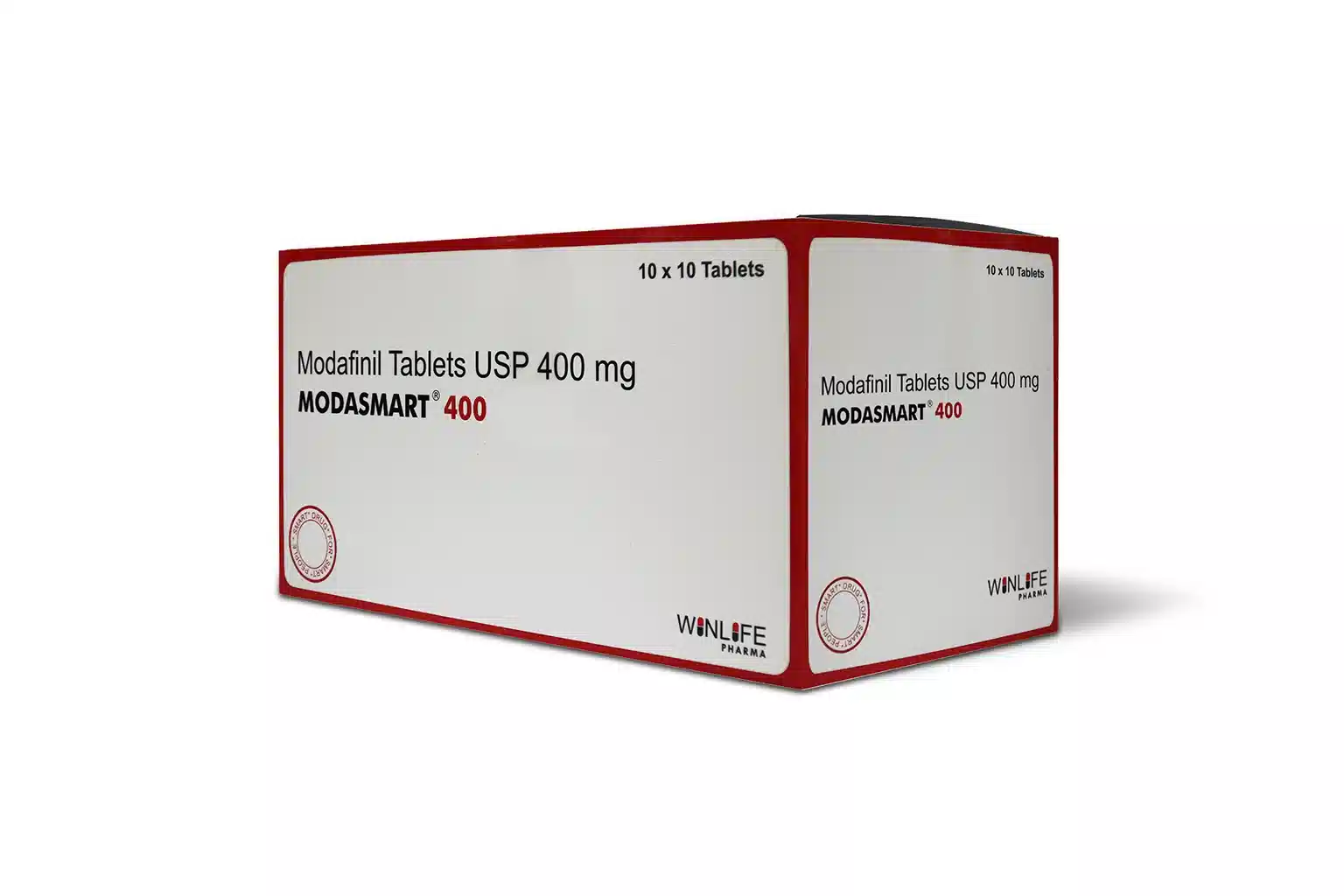
    While researching the subject, I came across information about Modasmart 400 mg, which contains modafinil. The page provides general product information and discusses areas such as precautions, possible side effects, and interactions: https://modaineurope.com/product/modasmart-400-mg/

    What I found most interesting is that simply trying to stay awake does not necessarily address the reason someone is sleepy in the first place. If the problem is caused by an inconsistent schedule, improving sleep habits may help. If there is an underlying sleep disorder, however, professional evaluation can be much more useful.

    I also think prescription medicines deserve careful consideration. A medicine that is appropriate for one person may not be appropriate for another because medical history, existing conditions, and other medicines can all matter. Online information can provide useful background, but it should not replace advice from a qualified healthcare professional.

    For people who regularly experience daytime sleepiness, keeping track of sleep duration, bedtime consistency, work schedules, and other noticeable patterns could be a useful starting point when discussing the issue with a doctor.

    Has anyone else noticed that their daytime alertness changes significantly when their sleep schedule changes? I would be interested to hear what factors seem to make the biggest difference for others.

    alt text

  • Login

  • Don't have an account? Register

  • Login or register to search.
  • First post
    Last post
0
  • Categories
  • Recent
  • Tags
  • Popular
  • Users
  • Groups