
Skip to content
  • Categories
  • Recent
  • Tags
  • Popular
  • Users
  • Groups
Skins
  • Light
  • Dark

Collapse
Brand Logo

Forum

F

FineystPatches3

@FineystPatches3
About
Posts
5
Topics
5
Groups
0
Followers
0
Following
0

Posts

Recent Best Controversial

  • Iron Legacy Motorcycle Club Patches: Meaning, Colors, History, and Design Guide
    F FineystPatches3

    Iron Legacy Motorcycle Club Patches: Meaning, Colors, History, and Design Guide

    Iron Legacy Motorcycle Club patches represent more than motorcycle-themed artwork. They communicate the identity, principles, and brotherhood of the Iron Legacy Motorcycle Club (ILMC). The club's official materials connect its colors and emblem to its founding values of Honesty, Integrity, Loyalty, Trust, and Honor, as well as its history and traditional motorcycle club culture.

    For riders, motorcycle club enthusiasts, and patch collectors, understanding these designs requires looking beyond their appearance. The placement of a rocker, the central emblem, the lettering, and the colors can all have specific meanings within the organization.

    This guide explores the meaning of Iron Legacy MC patches, the symbolism behind the club's colors, the structure of motorcycle club back patches, and the differences between official club insignia and independently designed motorcycle patches.

    What Are Iron Legacy Motorcycle Club Patches?

    Iron Legacy Motorcycle Club patches are identifying emblems associated with the Iron Legacy MC, a motorcycle club that describes itself as an independent, law-abiding brotherhood founded on traditional motorcycle club values.

    According to the club's official website, its founding principles are Honesty, Integrity, Loyalty, Trust, and Honor, commonly abbreviated as HILTH. Its colors incorporate specific design elements that communicate the club's name, identity, values, and history.

    Unlike a generic motorcycle patch featuring a skull, motorcycle, or iron-themed symbol, official Iron Legacy MC colors have meanings defined by the club itself.

    For anyone researching these patches, the key distinction is between official club insignia and decorative motorcycle patches inspired by similar themes. A design that looks similar does not automatically indicate official affiliation or membership.

    Iron Legacy MC Patch Meaning and Symbolism

    The Iron Legacy MC explains the meaning of its colors on its official Our Colors page. The individual elements are connected to the club's founding principles and its account of its history.

    1. The Top Rocker: The Club Name

    The top rocker displays the name Iron Legacy.

    A rocker is a curved or shaped fabric panel commonly used as part of a motorcycle club back-patch arrangement. In the Iron Legacy design, the top rocker identifies the club.

    The club also explains that the gold edging represents the values and principles its members consider priceless. According to its official description, the gold signifies the founding brothers and the commitment to preserving those principles within the brotherhood.

    2. The Center Patch: The Rider

    The central emblem is known as The Rider. According to the club's explanation, this figure represents its members and the experiences associated with establishing Iron Legacy MC.

    The artwork depicts the Rider emerging from flames while carrying a tombstone. The club explains that the flames represent the personal hardship experienced by members who chose to uphold their oath to the founding principles.

    The central design is therefore more than a general symbol of strength or rebellion. Its meaning comes from the club's own account of its history and values.

    3. The Tombstone and HILTH Principles

    The tombstone in the emblem carries the letters HILTH, representing the club's five founding principles:

    Letter Principle Meaning in the club's stated values
    H Honesty A commitment to being truthful
    I Integrity Maintaining consistent principles and conduct
    L Loyalty Remaining committed to the brotherhood and its values
    T Trust Building dependable relationships among members
    H Honor Upholding the standards to which members have committed

    The club explains that the tombstone represents principles that had been lost and buried, while the Rider carries them forward to restore and preserve them.

    This symbolism makes the central emblem an important part of the Iron Legacy MC identity.

    4. The Bottom Rocker: State or Nomad Designation

    The bottom rocker may display the name of a state or a Nomad designation.

    According to the club's official explanation, a state rocker identifies where a member is from rather than claiming territory or turf. The Nomad designation is used for members who report directly to international leadership.

    This is an important distinction: although bottom rockers can have different meanings across motorcycle clubs, the Iron Legacy MC provides its own explanation for how this element is used.

    5. The MC Patch

    The club's colors also include a square patch bearing the letters MC, identifying the organization as a motorcycle club rather than a riding club or a HOG-style organization.

    The club states that its patch arrangement follows traditions associated with motorcycle clubs of the 1950s and 1960s.

    Because patch conventions differ between organizations, it is best to rely on the club's own explanation when interpreting its particular design.

    6. The Diamond 8 and Hell Fire 8

    The Iron Legacy MC also describes a symbol known as the Diamond 8, associated with its original eight founders. The club explains that the symbol honors the men who established the principles on which the organization was founded.

    The club's FAQ describes a later version as the Hell Fire 8, incorporating flames and design elements that connect to its broader Rider symbolism and the continuation of its founding principles.

    These symbols are specific to the club's stated history. They should not be assumed to carry the same meaning when used by an unrelated organization.

    A Brief History of Iron Legacy MC Patches

    Understanding the history behind a club's insignia helps explain why its design elements matter.

    The Iron Legacy MC states that its history began on July 4, 2004, and that the organization was established around traditional motorcycle club culture, independence, and a commitment to brotherhood. The club's current colors and founding principles also reflect its account of the changes that led to the Iron Legacy identity in 2015.

    The club's explanation of its insignia connects the design to three broad themes:

    • Heritage: Recognition of the people and history behind the organization.
    • Principles: A visual reminder of Honesty, Integrity, Loyalty, Trust, and Honor.
    • Brotherhood: An expression of commitment to the club and its shared values.

    These details are based on the club's own published account. For the most direct information about its history and insignia, consult the official Iron Legacy MC website.

    Understanding the Three-Piece Motorcycle Club Patch

    Many traditional motorcycle club back designs use three main components: a top rocker, a center emblem, and a bottom rocker. Iron Legacy MC uses this general arrangement in its colors.

    However, the meanings and rules governing a three-piece design vary from club to club.

    Patch component Common purpose Iron Legacy MC context
    Top rocker Identifies the club Displays Iron Legacy
    Center patch Displays the primary emblem Features The Rider
    Bottom rocker Provides additional identifying information Displays a state or Nomad designation
    MC patch Identifies a motorcycle club Uses the letters MC in a square patch
    Gold edging Decorative or symbolic detail, depending on the club Represents the club's valued principles and founding brotherhood

    These descriptions should not be treated as universal rules. When examining a particular patch, the organization's own published explanation is the most useful source for its intended meaning.

    Official Iron Legacy MC Patches vs. Generic Motorcycle Patches

    Not every motorcycle patch that uses bold lettering, flames, a rider, or an iron-themed graphic is connected to Iron Legacy MC.

    Collectors and shoppers should distinguish between official insignia and original artwork created for a different purpose.

    Feature Official Iron Legacy MC insignia Generic motorcycle patch
    Identity Associated with the actual organization Created for a separate club, brand, or individual
    Artwork Uses the club's identifying designs May feature original motorcycle-themed imagery
    Symbolism Interpreted according to the club's stated meaning Depends on the designer's intended message
    Membership connection Governed by the club's own practices Does not establish Iron Legacy MC membership
    Authorization Subject to applicable club requirements and rights Depends on the artwork and any applicable rights
    Intended use Official club identity May be decorative, commemorative, or organizational

    The Iron Legacy MC identifies its name and insignia with the organization and provides specific information about its colors and membership practices. Buyers should not assume that an online listing is official simply because it uses the club's name or resembles its emblem.

    Can You Buy Official Iron Legacy Motorcycle Club Patches?

    The official Iron Legacy MC FAQ addresses whether its patches can simply be purchased. The club explains that members earn the right to wear its colors through its membership process rather than obtaining them as ordinary merchandise.

    The club describes a process involving a hang-around period and a prospect period, during which prospective members and the organization have an opportunity to determine whether the relationship is appropriate.

    If you are interested in official club membership or want clarification about its insignia, use the club's official contact page.

    If your goal is to buy a decorative motorcycle patch, consider an original design that does not falsely imply affiliation with Iron Legacy MC or reproduce its distinctive insignia without authorization.

    How to Choose a Custom Motorcycle Patch

    If you are designing a patch for your own riding group, motorcycle business, personal jacket, or club, the right design starts with a clear purpose.

    1. Start With Original Artwork

    Choose imagery that reflects your own identity. Possible themes include motorcycles, roads, gears, wings, shields, mountains, or other symbols connected to your riding experience.

    Avoid copying an existing club's distinctive emblem, name, or complete patch arrangement in a way that could mislead people about affiliation.

    2. Choose Embroidered or Woven Construction

    Two common patch construction methods are embroidery and weaving.

    Embroidered patches use stitched thread to create a textured, raised appearance. They work well for bold lettering, simple symbols, and designs that benefit from visible thread texture.

    Woven patches use finer threads to create a flatter surface. They can be suitable for intricate linework, small text, and artwork with detailed shapes.

    The right option depends on the artwork, finished size, and appearance you want.

    3. Select an Appropriate Size

    Patch dimensions should be based on the available space on the garment and the complexity of the design.

    • Large designs need enough space for the main artwork to remain clear.
    • Rocker-shaped patches require measurements that account for their curved edges.
    • Smaller patches need lettering that remains readable at the finished size.
    • Multiple patches should be planned together to avoid overcrowding.

    There is no single size that is right for every motorcycle vest or jacket. Measure the actual garment before approving a design.

    4. Choose Colors and Lettering Carefully

    High-contrast colors can improve readability, especially for curved text or small lettering. Select a limited palette that complements the garment and makes the most important design elements easy to recognize.

    If the patch includes a club name, verify the spelling, font, spacing, and curved layout before production. A digital proof helps identify issues before the design is manufactured.

    5. Decide on the Backing

    Common backing options include:

    • Sew-on: Suitable for many fabric vests, jackets, and bags.
    • Heat-seal: Requires a compatible fabric and the correct application conditions.
    • Hook-and-loop: Useful when a patch needs to be removable and the garment has a matching attachment surface.

    Check the patch manufacturer's instructions and the garment material before choosing a backing method. Sewing may be preferable for heavy garments or patches that experience frequent wear.

    Custom Patch Ordering: A Practical Checklist

    Before placing an order for custom motorcycle patches, confirm the design and production details.

    1. Define the purpose. Decide whether the patch is for personal use, a riding group, an event, or a business.
    2. Prepare the artwork. Supply a clear design or written description of the desired elements.
    3. Confirm the dimensions. Measure the available garment area and specify the finished patch size.
    4. Select the construction. Choose embroidered or woven production based on the design's detail.
    5. Choose the backing. Match the attachment method to the garment and intended use.
    6. Review the digital proof. Check text, spelling, colors, borders, and proportions.
    7. Confirm the order details. Verify quantity, pricing, production timing, and delivery before approving production.

    For designs associated with an existing motorcycle club, confirm authorization before reproducing its name or insignia.

    Common Mistakes to Avoid With Motorcycle Club Patches

    A patch can look attractive while still being unsuitable for its intended purpose. Avoid these common mistakes when planning a custom design.

    Copying an existing club emblem: Similar artwork can create confusion about identity or affiliation. Original designs are a better choice for independent projects.

    Using too much detail: Fine lines and small text can become difficult to reproduce clearly at limited sizes. Simplify the artwork where necessary.

    Ignoring the garment's dimensions: A patch that is too large may interfere with seams, pockets, or other features. Measure before ordering.

    Choosing colors without checking contrast: Similar shades may make text and symbols difficult to distinguish. Review the design at its intended size.

    Skipping the proofing stage: Spelling errors, uneven lettering, and misplaced design elements are easier to correct before production.

    Assuming all rockers mean the same thing: Patch conventions vary between motorcycle clubs. Avoid interpreting a specific organization's insignia solely through general assumptions.

    Why Choose Fineyst Patches for Custom Designs?

    Fineyst Patches can be considered for custom patch projects that require careful attention to artwork, dimensions, materials, and finish.

    When planning a custom motorcycle patch, it helps to have the intended design reviewed before production. A clear proof gives you an opportunity to check the lettering, color placement, outline, and overall proportions.

    Depending on your project, you may want to explore:

    • Custom embroidered patches for bold, textured artwork.
    • Woven patches for designs requiring finer detail.
    • Custom shapes and dimensions to suit your garment.
    • Backing options matched to the intended application.
    • Coordinated patch sets for an original riding group or event.

    For any project inspired by Iron Legacy MC, use original artwork and confirm that the design does not improperly reproduce official club insignia. Custom patch production should not be confused with authorization to manufacture or sell an existing organization's colors.

    Frequently Asked Questions About Iron Legacy Motorcycle Club Patches

    1. What do Iron Legacy Motorcycle Club patches mean?

    According to the club's official explanation, its colors represent the Iron Legacy identity and its founding principles: Honesty, Integrity, Loyalty, Trust, and Honor. The top rocker, central Rider emblem, bottom rocker, and other design elements have specific meanings within the club.

    2. What does HILTH mean on Iron Legacy MC patches?

    HILTH stands for Honesty, Integrity, Loyalty, Trust, and Honor. The Iron Legacy MC identifies these five principles as the foundation of its brotherhood.

    3. What does The Rider represent on the Iron Legacy MC patch?

    The club describes The Rider as a representation of its members. The flames and tombstone connect the emblem to the hardships described in its history and the restoration of its founding principles.

    4. What does the bottom rocker mean on Iron Legacy MC colors?

    The club states that the bottom rocker displays a state name or a Nomad designation. Its explanation says the state indicates where a member is from rather than claiming territory, while the Nomad designation relates to reporting directly to international leadership.

    5. What is the Iron Legacy MC Diamond 8?

    The club explains that the Diamond 8 honors its original eight founders. Its later Hell Fire 8 design incorporates additional imagery associated with the club's account of its founding principles and history.

    6. Can anyone buy an official Iron Legacy MC patch?

    The club's official FAQ states that its colors are earned through its membership process rather than sold as ordinary merchandise. Anyone seeking official information should contact the club directly.

    7. Are Iron Legacy MC patches the same as generic biker patches?

    No. Generic biker patches may feature motorcycles, flames, gears, lettering, or other similar imagery, but those features do not establish a connection to Iron Legacy MC. Official colors have organization-specific meanings.

    8. Should I choose embroidered or woven motorcycle patches?

    Embroidered patches are often suitable for bold symbols and textured lettering. Woven patches can be useful for fine details and smaller text. The best option depends on the artwork, finished size, and desired appearance.

    9. What backing is best for a motorcycle vest patch?

    Sew-on backing is a common choice for many fabric vests and jackets. Heat-seal backing requires compatible materials, while hook-and-loop backing is useful for removable patches when the garment supports it. Always check the material and manufacturer's instructions.

    10. Where can I find reliable information about Iron Legacy MC patches?

    The club's official website is the most direct source for its stated values, history, and patch symbolism. Start with its Our Colors page and official FAQ.

    Conclusion

    Iron Legacy Motorcycle Club patches communicate a specific organizational identity rooted in the club's stated principles of Honesty, Integrity, Loyalty, Trust, and Honor. From the Iron Legacy top rocker to The Rider emblem, the HILTH lettering, and the bottom rocker, the club explains its colors through its own history and traditions.

    For riders and collectors, understanding these details helps distinguish official club insignia from generic motorcycle-themed designs. For anyone planning a custom patch project, original artwork, accurate sizing, suitable materials, and careful proofing are essential steps toward a professional result.

    Whether you are researching Iron Legacy MC colors or creating a design for your own riding group, start with reliable information and respect the identity represented by existing club insignia. For an original custom patch project, Fineyst Patches can help you explore design and production options suited to your needs.
  • Carcass Woven Patch: Design, Features, Uses, and Buying Guide
    F FineystPatches3

    Carcass Woven Patch: Design, Features, Uses, and Buying Guide

    A Carcass woven patch can be a distinctive choice for clothing, jackets, bags, and accessories when you want detailed artwork in a compact design. Woven patches are known for their fine detail, clean lettering, and smooth finish, making them suitable for intricate graphics, bold symbols, and designs that require precise lines.

    Whether you are looking for a carcass-themed patch for personal style, a collection, a brand, or a custom clothing project, understanding woven patch construction and design options can help you choose the right product.

    What Is a Carcass Woven Patch?

    A carcass woven patch is a patch featuring a carcass-related design that is produced using a woven textile construction. The exact meaning of “carcass” depends on the artwork or context. It may refer to skeletal imagery, an animal carcass, a dark or macabre illustration, or a specific name or graphic used in a design.

    The term “woven patch” describes how the patch is made. Fine threads are woven together to create the image, lettering, or pattern directly in the fabric.

    Unlike some embroidered patches, which use raised stitching to build up the design, woven patches typically have a flatter surface. This makes them useful for artwork with small details, narrow lines, and intricate lettering.

    Key Features of Carcass Woven Patches

    1. Fine Design Detail

    Woven patches can reproduce small shapes, detailed illustrations, and thin outlines more clearly than many traditional embroidery styles. This can be especially useful for carcass artwork involving skeletal features, fine contours, or complex graphic elements.

    2. Smooth, Flat Finish

    The woven construction creates a relatively smooth surface. This gives the patch a neat appearance without the heavy texture associated with thick embroidery.

    3. Lightweight Construction

    Woven patches are generally lightweight, making them suitable for garments and accessories where a bulky patch would be undesirable.

    4. Customizable Shapes and Colors

    Depending on the manufacturer, woven patches can be produced in different shapes, sizes, and color combinations. Custom designs may include lettering, illustrations, borders, and distinctive background colors.

    5. Multiple Attachment Options

    Depending on the product, the patch may be supplied with a sew-on backing, heat-applied adhesive, hook-and-loop backing, or another attachment method. Check the product specifications before ordering.

    Woven Patches vs. Embroidered Patches

    Choosing between woven and embroidered patches depends on the artwork and the appearance you want.

    Feature Woven Patch Embroidered Patch
    Surface Usually smooth and flat Often raised and textured
    Fine details Well suited to intricate lines Very fine details may be harder to reproduce
    Small lettering Often a good choice Depends on lettering size and stitch density
    Visual style Clean and precise Traditional, dimensional appearance
    Thickness Generally lightweight Can be thicker
    Common uses Detailed graphics and compact designs Logos, badges, and bold lettering

    For a carcass design with intricate lines or small visual details, a woven patch may be a suitable option. A heavily textured or bold design may work better as an embroidered patch.

    Popular Uses for Carcass Woven Patches

    Carcass-themed woven patches can be used in several ways, depending on the design and the intended audience.

    Jackets and Vests

    A patch can add a distinctive graphic element to denim jackets, casual outerwear, or other garments. Consider the garment's fabric and the patch's backing before attaching it.

    Backpacks and Bags

    Woven patches can personalize backpacks, travel bags, and equipment bags. Sew-on or compatible hook-and-loop versions may be useful for different bag materials.

    Streetwear and Alternative Fashion

    Dark illustrations, skeletal motifs, and macabre artwork can complement alternative fashion styles. A compact woven patch can add visual detail without making the garment overly bulky.

    Collectibles and Custom Merchandise

    Designers, artists, and collectors may use woven patches to reproduce detailed artwork or create limited-run merchandise. When a design belongs to another artist or brand, obtain permission before reproducing it commercially.

    How to Choose the Right Carcass Woven Patch

    Before purchasing a patch, consider these important factors.

    Design clarity: Look for a design in which the main image and lettering remain easy to distinguish at the intended size.

    Patch dimensions: Measure the available space on your jacket, bag, or garment before selecting a size.

    Color quality: Choose colors that provide enough contrast between the artwork and background.

    Border finish: A finished edge helps give the patch a neat appearance and can reduce fraying, depending on its construction.

    Backing type: Select a backing that suits the material and intended use. Sew-on patches are often a practical option for long-term attachment.

    Manufacturer specifications: Review the product description for materials, dimensions, backing, care instructions, and minimum order quantities if ordering custom patches.

    How to Attach a Carcass Woven Patch

    The correct attachment method depends on the backing and the material of the item receiving the patch.

    Sew-On Patches

    1. Position the patch where you want it.
    2. Check the placement from different angles.
    3. Secure it temporarily with fabric-safe pins or clips.
    4. Stitch around the edge using thread that suits the patch and garment.
    5. Check that the patch lies flat and that the stitching is secure.

    Heat-Applied Patches

    Follow the manufacturer's instructions for temperature, pressing time, and compatible fabrics. Test the material when possible, and avoid heat-sensitive fabrics unless the manufacturer confirms compatibility.

    Some heat-applied patches benefit from additional stitching, especially on items that experience frequent washing, friction, or bending.

    Hook-and-Loop Patches

    These patches can be removed and repositioned when the garment or bag has a compatible hook-and-loop panel. Confirm that the patch backing and receiving surface are compatible before purchasing.

    How to Care for a Woven Patch

    Proper care can help maintain the patch's appearance and attachment.

    • Follow the garment's washing instructions.
    • Turn clothing inside out before washing when practical.
    • Avoid harsh chemicals that may damage the threads or backing.
    • Do not iron directly over the patch unless its manufacturer permits it.
    • Check the edges occasionally for loose stitching or lifting adhesive.
    • Allow the item to dry according to the fabric and patch care instructions.

    Care requirements vary with the patch materials, backing, and garment, so the manufacturer's recommendations should take priority.

    Custom Carcass Woven Patches

    If you cannot find a ready-made design that matches your needs, a custom woven patch may be an option.

    Before contacting a manufacturer, prepare a clear design file and decide on the patch dimensions, shape, color palette, border style, and backing. Ask for a proof or sample when the design contains very small details.

    For the best results, keep essential lines and lettering readable at the final size. A design that looks clear on a large computer screen may lose detail when woven into a small patch.

    If you plan to sell the finished patches, make sure you have the necessary rights to use the artwork, names, logos, or other protected elements.

    Frequently Asked Questions

    What does “carcass woven patch” mean?

    It generally describes a woven patch featuring a carcass-related image or design. The exact subject depends on the particular artwork or product.

    Are woven patches better than embroidered patches?

    Neither type is universally better. Woven patches are often preferred for fine details and small lettering, while embroidered patches offer a raised, textured appearance.

    Can a carcass woven patch be washed?

    Many woven patches can be washed as part of a garment, but care depends on the materials and backing. Follow the manufacturer's instructions.

    Can I order a custom carcass woven patch?

    Many patch manufacturers offer custom woven designs. Availability, minimum order quantities, backing choices, and production times vary by supplier.

    What backing is best for a woven patch?

    Sew-on backing is often a dependable choice for permanent attachment. Heat-applied and hook-and-loop options may be suitable depending on the garment, intended use, and manufacturer specifications.

    Final Thoughts

    A carcass woven patch can combine detailed artwork with a smooth, lightweight finish. Woven construction is particularly useful when a design includes fine lines, small lettering, or intricate graphics that benefit from a clean, precise appearance.

    Before choosing a patch, consider the design, dimensions, backing, attachment method, and intended use. With the right specifications and proper care, a woven patch can be a practical addition to clothing, bags, and custom merchandise.


  • Rock Woven Patch: A Complete Guide to Styles, Materials, and Custom Designs
    F FineystPatches3

    Rock Woven Patch: A Complete Guide to Styles, Materials, and Custom Designs

    Rock Woven Patch
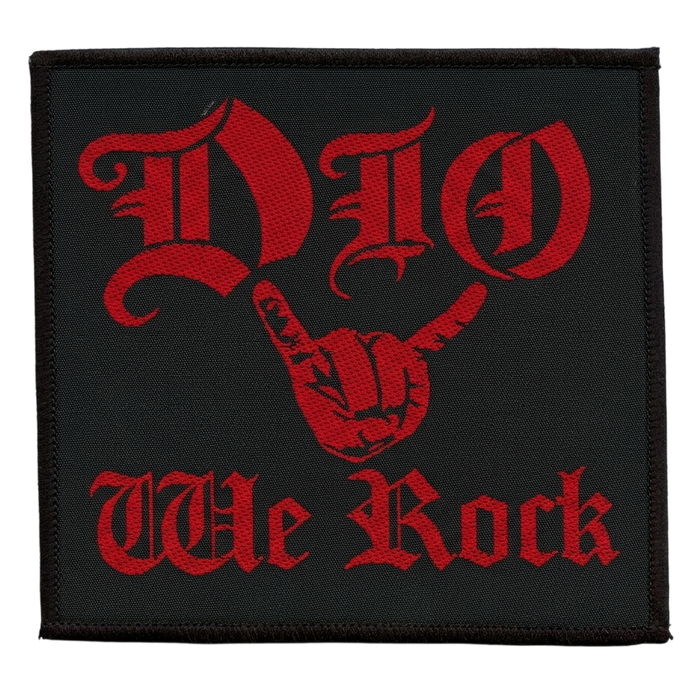
    Rock Woven Patch designs are a popular way to express a passion for rock music, alternative fashion, and personal style. Featuring band-inspired artwork, electric guitars, skulls, bold lettering, and classic rock imagery, these patches can add character to denim jackets, backpacks, vests, hats, and other accessories.

    Whether you enjoy classic rock, hard rock, punk rock, or modern alternative music, woven patches offer a versatile way to customize your clothing. Their relatively flat surface and ability to reproduce fine details make them suitable for designs featuring small lettering, intricate graphics, and recognizable symbols.

    Understanding the different styles, construction methods, backing options, and placement ideas can help you choose the right rock woven patch for your collection or custom apparel project.

    What Is a Rock Woven Patch?

    A rock woven patch is a fabric patch featuring rock music-related artwork, lettering, symbols, or graphic designs created using interlaced threads. Unlike traditional embroidery, which forms designs with stitches applied over a fabric base, woven construction uses the arrangement of threads to create the image.

    This technique can produce a relatively smooth finish and help preserve details in compact artwork. Rock woven patches may feature guitar illustrations, musical notes, skulls, flames, band-inspired typography, album-style graphics, and other imagery associated with rock culture.

    These patches can be used on compatible denim jackets, vests, bags, hats, and other fabric accessories. Their final appearance and attachment method depend on the design, dimensions, edge finish, backing, and manufacturer.

    Why Are Rock Woven Patches Popular?

    Rock woven patches combine music-inspired artwork with practical customization options. They allow fans to show their interests and create a distinctive look without changing their entire wardrobe.

    1. Express Your Love of Rock Music

    A rock patch can represent your favorite genre, a memorable concert, or your personal connection to music. Designs may reflect classic rock, hard rock, punk, alternative rock, or other related styles.

    2. Detailed Artwork

    Woven construction can reproduce fine lines, compact lettering, and intricate graphic elements. This makes it a useful option for designs that need a relatively flat surface and clear visual details.

    3. Versatile Fashion Options

    Rock woven patches can complement denim jackets, black vests, backpacks, caps, and casual clothing. A single patch can provide a subtle accent, while several coordinated designs can create a more expressive alternative look.

    4. Personalization

    Patches allow you to customize garments with symbols, original artwork, musical references, or personalized text. You can select designs that reflect your interests and preferred aesthetic.

    5. Suitable for Collectors and DIY Projects

    Music fans and clothing enthusiasts can use woven patches to personalize garments, build patch collections, or create custom gifts. Their size and design options make them suitable for a variety of creative projects.

    Popular Types of Rock Woven Patches

    Rock music has a broad visual culture, so woven patches are available in many styles. Choosing the right design depends on the music you enjoy and how you plan to use the patch.

    Classic Rock Woven Patches

    Classic rock-inspired patches may feature electric guitars, vintage microphones, music notes, retro typography, and nostalgic graphic elements. Their designs often draw inspiration from the visual styles associated with earlier decades of rock music.

    These patches can work well on denim jackets, canvas bags, and casual accessories. Vintage-style colors and distressed-looking artwork can complement retro clothing, although the actual finish depends on the design and production method.

    Hard Rock Woven Patches

    Hard rock designs often use bold lettering, dramatic contrasts, flames, guitars, and strong graphic shapes. They can create a prominent focal point on a jacket or vest.

    When choosing a patch with detailed lettering, make sure the design remains readable at the intended size. High-contrast colors can help separate the text and artwork from the background.

    Punk Rock Woven Patches

    Punk-inspired patches may feature distressed typography, safety-pin graphics, stars, slogans, and rebellious visual themes. Black, white, red, and contrasting accent colors are common choices for this aesthetic.

    These designs can be arranged alongside other music-inspired patches on denim jackets, backpacks, and fabric vests. A carefully selected group of designs can create a cohesive look without overcrowding the garment.

    Guitar and Musical Instrument Patches

    Electric guitars, bass guitars, drum kits, amplifiers, and microphones are recognizable symbols of rock music. Instrument-themed patches are useful for people who want to celebrate music without using a particular band's logo.

    Smaller guitar graphics can suit sleeves, chest panels, hats, or bags, while larger instrument illustrations may work better as statement designs.

    Skull and Rock Symbol Patches

    Skulls, lightning bolts, stars, flames, and other bold symbols are often associated with rock and alternative fashion. These designs can range from simple monochrome graphics to elaborate illustrations.

    A compact symbol can work as a subtle accessory detail, while a larger design can become the main feature of a jacket or vest.

    Band-Inspired Woven Patches

    Band-inspired patches may feature a band's name, recognizable typography, or music-related imagery. Some products are official merchandise, while others use original designs influenced by rock aesthetics.

    If authenticity or licensing matters to you, check the seller and product description before purchasing. A patch featuring a band's name or logo is not necessarily officially licensed merchandise.

    Custom Rock Woven Patches

    Custom patches allow you to create original rock-themed artwork, event designs, music club emblems, or personalized graphics. Depending on the manufacturer, you may be able to select the shape, dimensions, thread colors, backing, and edge finish.

    Custom designs are particularly useful for independent musicians, fan groups, music events, and clothing brands that need a consistent visual identity.

    Rock Woven Patches vs. Embroidered Rock Patches

    Woven and embroidered patches can both work well for rock-themed designs, but their construction creates different visual effects.

    Feature Rock Woven Patches Rock Embroidered Patches
    Construction Interlaced threads form the artwork Stitches are applied over a fabric base
    Surface Generally flat and smooth Often raised and textured
    Fine details Suitable for compact text and fine lines Detail depends on stitch size and design
    Appearance Clean and graphic Bold and dimensional
    Common uses Detailed lettering, logos, compact illustrations Large symbols, textured lettering, bold graphics
    Best suited for Designs where fine detail and a flatter finish matter Designs where visible stitching and texture are desired

    Neither option is automatically better. The right choice depends on the artwork, desired appearance, size, and intended use.

    A woven patch may be suitable for intricate lettering or a compact guitar illustration. An embroidered patch may be preferable when you want a raised texture that stands out visually.

    How to Choose the Right Rock Woven Patch

    Before buying a rock woven patch, consider its artwork, dimensions, colors, finish, and attachment method.

    Check the Design Quality

    Choose artwork that remains clear and recognizable at the patch's actual size. Fine lines, small text, and closely spaced elements may lose definition when a design is too small.

    If the patch includes a band name, slogan, or other lettering, examine the product image carefully and confirm that the text is correct.

    Choose Suitable Colors

    Black, white, red, gray, and contrasting accent colors can complement many rock-inspired designs. High contrast can help lettering and symbols remain visible against both the patch background and the garment.

    For a subtle look, choose colors that coordinate with your clothing. For a bolder style, select a design that stands out against the fabric.

    Select the Appropriate Size

    The right size depends on the available placement area and the complexity of the artwork.

    • Small patches: Suitable for hats, chest details, sleeves, and compact accessories.
    • Medium patches: Useful for jacket fronts, backpacks, and supporting graphics.
    • Large patches: Often suited to jacket backs, vest panels, or prominent statement designs.

    These are general guidelines rather than fixed sizing standards. Measure the actual placement area before ordering.

    Review the Edge Finish

    The patch's edge treatment influences its appearance and how it fits into your overall design. Depending on the manufacturer, options may include stitched borders, heat-cut edges, or other finishes.

    A traditional border can create a defined outline, while a flatter edge may be more appropriate for certain custom shapes. Confirm the available options with the supplier.

    Check the Backing Type

    Rock woven patches do not all use the same backing. Some are designed for sewing, while others may feature heat-activated adhesive, hook-and-loop fastening, or another attachment method.

    Choose a backing that suits the garment's material and how frequently the item will be worn or washed.

    Best Ways to Style Rock Woven Patches

    Rock woven patches can complement a range of casual and alternative outfits. The key is to match the design, size, and placement to the look you want.

    Denim Jackets

    Denim jackets are a classic option for music-inspired patches. A larger rock graphic can serve as the main design, while smaller patches can be arranged around it.

    Consider the jacket's color when selecting the patch. Light-colored artwork can stand out against dark denim, while vintage-inspired designs can complement faded blue denim.

    Before attaching several patches, arrange them on the jacket and check the overall balance.

    Rock and Music Vests

    Fabric vests offer a useful surface for building a personalized collection of music-themed patches. You can combine instrument graphics, original artwork, and other designs that reflect your musical interests.

    Keep the layout organized enough that individual patches remain recognizable. Leave space around the most important designs and avoid covering functional seams or closures.

    Black Jackets

    Black jackets can provide a strong background for high-contrast rock artwork. White lettering, red accents, gray illustrations, and colorful graphics can each create a different visual effect.

    For a minimalist style, use one prominent patch. For a more expressive look, combine several designs with a consistent color palette.

    Backpacks and Canvas Bags

    A rock woven patch can personalize a backpack, tote bag, or messenger bag. Smaller designs are often easier to position on limited surface areas.

    Check the bag's material, coating, and construction before attaching the patch. Some water-resistant fabrics may not be suitable for every adhesive or heat-application method.

    Hats and Caps

    Small guitar, star, music-note, or rock-symbol patches can work well on hats when their dimensions fit the available panel.

    Choose artwork that remains clear at a compact size. Also confirm that the attachment method is suitable for the hat's material and structure.

    Casual and Alternative Outfits

    Rock woven patches can complement graphic T-shirts, denim, boots, black jeans, and other casual clothing. They can add a music-inspired detail without requiring an elaborate outfit.

    Try coordinating the patch colors with other accessories for a more unified appearance.

    How to Arrange Multiple Rock Woven Patches

    If you want to customize a jacket, vest, or bag with several patches, planning the layout before attachment can help you achieve a cleaner result.

    Step 1: Choose the Main Patch

    Start with the design you want people to notice first. It might be a large guitar graphic, a rock-themed illustration, or a favorite music-related emblem.

    Step 2: Select Supporting Designs

    Choose smaller patches that complement the main artwork. Consider whether the designs share similar colors, shapes, or visual styles.

    Step 3: Test Different Layouts

    Place the patches on the garment without attaching them. Move them around until the arrangement looks balanced from different angles.

    Step 4: Check Seams and Functional Areas

    Avoid placing patches where zippers, pockets, closures, or thick seams may interfere with attachment. Make sure the patch does not restrict movement or affect the garment's function.

    Step 5: Attach the Patches Securely

    Follow the manufacturer's instructions for the selected backing. Sewing can be a suitable option for many fabric garments, provided the patch and material are compatible.

    Taking time to plan the layout can help prevent unnecessary stitching and placement mistakes.

    How to Attach Rock Woven Patches

    The appropriate attachment method depends on the backing and the material of the garment or accessory.

    Sew-On Patches

    Sew-on patches are attached directly to the fabric with thread. This method can work well for compatible denim jackets, vests, backpacks, and other fabric items.

    Position the patch carefully, then stitch around the edges with a suitable needle and thread. Avoid pulling the thread so tightly that the fabric bunches or wrinkles.

    For garments that will be worn and washed frequently, inspect the stitching periodically for loose threads.

    Iron-On or Heat-Applied Patches

    Some woven patches use heat-activated adhesive. These products require the temperature, pressure, and application time specified by the manufacturer.

    Not every fabric can safely withstand heat. Check the garment's care label and the patch instructions before applying an iron or heat press. If the material is delicate or heat-sensitive, consider another attachment method.

    Hook-and-Loop Patches

    Hook-and-loop backing allows a patch to be removed and replaced when paired with a compatible fastening panel. This can be useful for interchangeable designs or accessories that need flexible customization.

    Confirm that the patch and garment have matching fastening components before ordering.

    Adhesive-Backed Patches

    Some patches use adhesive backing for specific applications. Adhesion depends on the adhesive, surface material, and conditions of use.

    Do not assume that an adhesive-backed patch will remain secure on clothing that is stretched, frequently washed, or exposed to moisture. Check the manufacturer's instructions and choose a suitable attachment method for the intended use.

    How to Care for Rock Woven Patches

    Proper care can help maintain the appearance of both the patch and the garment.

    • Follow the garment's washing instructions.
    • Check the patch edges periodically for loose stitching.
    • Avoid ironing directly over the patch unless the manufacturer permits it.
    • Use a cleaning method appropriate for the garment's material.
    • Avoid excessive heat when the patch contains adhesive or heat-sensitive components.
    • Repair loose edges before they become more damaged.

    For frequently worn jackets and bags, secure attachment is especially important. If the patch uses adhesive, check whether the product is designed to withstand washing, moisture, and repeated use.

    How Much Do Rock Woven Patches Cost?

    The price of rock woven patches varies according to the supplier and product specifications. There is no single price that applies to every design.

    Common factors that influence cost include:

    • Size: Larger patches may require more materials and production resources.
    • Design complexity: Fine lettering and intricate graphics can affect production requirements.
    • Quantity: Bulk orders may offer different per-piece pricing.
    • Backing: Sewing, heat-applied, and hook-and-loop options may have different costs.
    • Shape and finish: Custom outlines and special edge treatments can influence the price.
    • Customization: Original artwork may require additional design or setup work.
    • Shipping: Delivery location and shipping method affect the final total.

    For a custom order, provide the supplier with the artwork, dimensions, quantity, preferred backing, and delivery requirements to receive an accurate quote.

    Custom Rock Woven Patches for Bands and Clothing Brands

    Custom rock woven patches can help independent musicians, music groups, event organizers, and clothing brands create a recognizable visual identity.

    Depending on the manufacturer's capabilities, customization options may include:

    • Original artwork and lettering
    • Patch size and shape
    • Thread colors
    • Border and edge finish
    • Backing and attachment method
    • Design placement on clothing or accessories

    Start with clear artwork and simplify details that may not reproduce well at a small size. Before approving production, check the spelling, dimensions, colors, and overall layout.

    If your design includes a band's name, logo, or other protected artwork, confirm that you have permission to use it when required. Original artwork is another way to create a distinctive rock-inspired patch.

    Common Mistakes to Avoid When Buying Rock Woven Patches

    Choosing a Patch That Is Too Small: Detailed guitar illustrations and compact lettering may lose clarity when the patch dimensions are insufficient.

    Ignoring the Backing: A patch designed for sewing cannot be applied in the same way as a peel-and-stick product. Confirm the attachment method before buying.

    Overcrowding the Garment: Too many patches can make a jacket or bag look cluttered. Leave enough space for important designs to stand out.

    Assuming Merchandise Is Official: A patch featuring a band's name or logo is not necessarily licensed merchandise. Check the seller and product details if authenticity matters.

    Skipping Measurements: A patch that looks suitable in a photograph may not fit the actual garment panel. Measure the intended area before ordering.

    Ignoring Care Instructions: Incorrect washing or heat application can damage the patch, its backing, or the garment.

    Frequently Asked Questions About Rock Woven Patches

    What is a rock woven patch?

    A rock woven patch is a fabric patch featuring rock music-inspired artwork, lettering, symbols, or illustrations created with interlaced threads. It can be used to personalize compatible clothing and accessories.

    Are rock woven patches suitable for denim jackets?

    Yes. Rock woven patches can be attached to compatible denim jackets using a suitable backing and attachment method. Measure the placement area and check the product instructions before attaching the patch.

    What is the difference between woven and embroidered rock patches?

    Woven patches form the artwork through interlaced threads and generally have a flatter surface. Embroidered patches use stitches over a fabric base and often have a raised, textured appearance.

    Can I use rock woven patches on a backpack?

    Yes, provided the patch and backpack materials are compatible. Check the bag's coating and fabric construction before choosing a sewing, heat-applied, or adhesive attachment method.

    Are rock woven patches available in custom designs?

    Custom options depend on the supplier. Some manufacturers can produce patches with original artwork, personalized lettering, selected dimensions, different thread colors, and various backing types.

    How do I choose the right size for a rock woven patch?

    Measure the area where you intend to place the patch. Consider the complexity of the artwork, the available fabric panel, and whether the patch will be a main feature or a smaller decorative detail.

    Can rock woven patches be washed?

    Washability depends on the patch materials, backing, attachment method, and garment. Follow the manufacturer's instructions and confirm that the patch is suitable for laundering before using it on frequently washed clothing.

    Are rock woven patches only for rock music fans?

    No. They can also suit alternative fashion, casual streetwear, DIY projects, collectors, independent clothing brands, and anyone who enjoys music-inspired artwork.

    Can I sew a rock woven patch onto a vest?

    A compatible sew-on patch can generally be attached to a fabric vest using an appropriate needle and thread. Check the material and patch construction before sewing, especially if the vest has a lining or thick panels.

    Conclusion

    Rock Woven Patches offer a versatile way to personalize clothing and accessories with music-inspired artwork. From classic rock graphics and electric guitars to punk-inspired lettering and original designs, these patches can suit a wide range of styles and creative projects.

    When choosing a patch, consider its artwork, dimensions, colors, edge finish, backing, and intended use. Plan the placement before attaching multiple designs, follow care instructions, and verify product details when official merchandise matters.

    With thoughtful design choices and a suitable attachment method, a rock woven patch can become a distinctive addition to your jacket, vest, backpack, or personal collection.


  • Woven Patches Wholesale: A Complete Guide to Bulk Orders, Pricing, and Customization
    F FineystPatches3

    Woven Patches Wholesale: A Complete Guide to Bulk Orders, Pricing, and Customization

    00aa8cba-d7dd-48d0-b29e-a3dd67948a9a-image.png
    Woven patches wholesale is an excellent option for clothing brands, apparel manufacturers, uniform suppliers, promotional product businesses, and retailers looking to purchase high-quality patches in bulk. Wholesale ordering can help businesses reduce the cost per patch, maintain consistent branding, and secure enough inventory for ongoing production.

    Woven patches are created by interlacing fine threads to form logos, lettering, and detailed artwork. Their smooth surface and ability to reproduce small design elements make them suitable for clothing labels, hats, jackets, bags, uniforms, and branded merchandise.

    Whether you are launching a clothing line, expanding your product range, or sourcing patches for resale, understanding wholesale pricing, minimum order quantities, customization options, and supplier selection can help you make a more informed purchasing decision.

    What Are Woven Patches Wholesale?

    Woven patches wholesale refers to purchasing woven fabric patches in bulk, usually directly from a manufacturer or supplier. Businesses can order ready-made blank patches where available or request custom patches featuring their own logos, colors, text, and shapes.

    Unlike embroidered patches, which use stitches on top of a fabric base, woven patches form their designs through closely interlaced threads. This creates a relatively flat finish that can accommodate fine lines and small lettering.

    Wholesale woven patches are commonly used by:

    • Clothing and fashion brands
    • Apparel manufacturers
    • Promotional product distributors
    • Uniform suppliers
    • Sports teams and organizations
    • Retailers and online stores
    • Businesses producing branded merchandise

    The best wholesale option depends on your order volume, design requirements, budget, and intended use.

    Benefits of Buying Woven Patches Wholesale

    Purchasing woven patches in bulk can offer several advantages for businesses that use patches regularly.

    1. Lower Cost Per Patch

    One of the main benefits of wholesale ordering is the potential to reduce the unit cost. Manufacturers may spread setup, production preparation, and shipping expenses across a larger quantity.

    For example, an order of several hundred patches may have a lower per-unit price than a small sample order. Actual savings depend on the supplier, patch size, backing, design, and order quantity.

    2. Consistent Branding

    Ordering patches for a product collection or uniform program in one production run can help maintain consistency in colors, dimensions, and design details.

    This is especially useful for clothing brands that want the same logo patch across multiple garments or product lines.

    3. Better Inventory Planning

    Wholesale purchasing allows businesses to keep patches available for current production and future orders. This can be useful when a logo or label is used repeatedly across seasonal collections, uniforms, or promotional merchandise.

    However, order quantities should reflect expected demand to avoid holding unnecessary inventory.

    4. Custom Design Flexibility

    Many wholesale suppliers offer custom sizes, shapes, thread colors, edge finishes, and backing options. These choices allow businesses to create patches that align with their brand identity and garment specifications.

    Confirm the available customization options before placing a large order.

    5. Suitable for Resellers and Distributors

    Retailers and promotional product companies can source wholesale woven patches for resale or inclusion in larger product packages. Working with a dependable supplier can help support repeat orders and consistent product quality.

    Popular Types of Wholesale Woven Patches

    Wholesale woven patches are available in different styles and configurations. The most suitable type depends on the artwork and how the patch will be used.

    Custom Logo Woven Patches

    Custom logo patches display a company's brand name, symbol, or visual identity. They are commonly used on apparel, hats, bags, uniforms, and promotional products.

    Woven Name Patches

    Name patches feature personal names, job titles, department names, or other short text. They may be used for workwear, uniforms, teams, and organizations.

    Woven Clothing Patches

    Clothing brands use woven patches to add branding or decorative details to shirts, hoodies, jackets, jeans, and other garments.

    Woven Patches for Hats and Caps

    Smaller woven patches can display detailed logos on baseball caps, beanies, and other headwear. Patch dimensions should be selected according to the available space and the shape of the hat.

    Woven Patches for Bags and Accessories

    Woven patches can be used on backpacks, tote bags, travel accessories, pouches, and other fabric products. The backing and attachment method should suit the material and expected wear.

    Custom-Shaped Woven Patches

    Depending on the manufacturer, patches may be produced in circular, rectangular, square, oval, or custom-cut shapes. Custom outlines can help a design stand out, but complicated shapes may affect production requirements and cost.

    How Much Do Wholesale Woven Patches Cost?

    The price of woven patches wholesale depends on several factors, so there is no single price that applies to every order.

    Common factors include:

    • Order quantity: Larger orders may reduce the cost per patch.
    • Patch size: Larger patches generally require more material.
    • Design complexity: Detailed artwork and unusual outlines can affect production.
    • Thread colors: The number and specifications of colors may influence the quote.
    • Backing type: Sew-on, heat-applied, hook-and-loop, or adhesive options may have different costs.
    • Edge finish: Different borders and cutting methods can affect production.
    • Shipping and packaging: Delivery charges and packaging requirements contribute to the final cost.

    As a general illustration, published supplier pricing varies considerably by quantity and specifications. Some suppliers list woven patches at under a dollar per piece for larger orders, while small orders can cost several dollars per patch or more. These are examples, not a guaranteed market rate. <Link url="https://www.wholesalepatches.com/pricing" title="View a wholesale patch pricing example"/>.

    To compare quotes accurately, request pricing for the same patch dimensions, quantity, backing, edge finish, and shipping destination.

    Wholesale Woven Patches: How to Calculate Your Order

    Before requesting a wholesale quote, determine how many patches you actually need.

    Step 1: Estimate Your Production Needs

    Calculate how many garments or products will use each patch design. Include expected demand for upcoming production runs, but avoid ordering excessive quantities without a clear sales forecast.

    Step 2: Choose the Quantity Per Design

    Suppliers may set minimum order quantities for each design or color variation. Ask whether different sizes or designs can be combined within one order.

    Step 3: Compare Quantity Tiers

    Request quotes for several order quantities, such as 100, 250, 500, and 1,000 pieces, if those quantities are available. Compare the total order value as well as the unit price.

    Step 4: Include All Additional Costs

    Check whether the quote includes design setup, samples, backing, packaging, shipping, and any applicable taxes or import charges.

    Step 5: Approve a Sample or Proof

    Before authorizing bulk production, review a digital proof or physical sample when available. Confirm the artwork, spelling, size, colors, backing, and edge finish.

    How to Choose the Right Wholesale Woven Patch Supplier

    Selecting a supplier involves more than finding the lowest advertised price. Quality, communication, order requirements, and delivery reliability also matter.

    Review Manufacturing Experience

    Look for a supplier with experience producing woven patches for apparel, accessories, uniforms, or other products similar to yours.

    Check Minimum Order Quantities

    Minimum order quantities differ among manufacturers. Some suppliers accept small orders, while others focus on larger production runs.

    Confirm whether the minimum applies per design, per size, or per colorway.

    Request Samples

    Samples help you assess the weave, material, color accuracy, edge finishing, flexibility, and overall construction before committing to a bulk order.

    Confirm Production and Shipping Timelines

    Ask for an estimated production schedule and shipping timeframe. Clarify when the timeline begins, particularly if the supplier requires artwork approval or sample revisions.

    Compare Complete Quotes

    Request itemized quotes that include the same specifications from each supplier. Compare the final delivered cost rather than the advertised unit price alone.

    Review Communication and Quality Control

    A reliable supplier should explain artwork requirements, provide clear specifications, and communicate any production limitations before manufacturing begins.

    Customization Options for Wholesale Woven Patches

    Custom woven patches can be adapted to a variety of branding and garment requirements.

    Size and Shape

    Choose dimensions that fit the intended garment or accessory. Measure the available area before approving the final design.

    Thread Colors

    Select colors that provide good contrast between the logo, text, and background. Ask the supplier about available thread colors and how closely they can match your brand guidelines.

    Edge Finishing

    The edge finish helps define the patch shape and can contribute to its appearance and resistance to fraying. Ask which options are suitable for your chosen dimensions and outline.

    Backing Options

    Common backing options may include:

    • Sew-on backing: Often suitable for durable attachment to garments and accessories.
    • Heat-applied backing: Designed for compatible fabrics and application conditions.
    • Hook-and-loop backing: Useful when patches need to be removable or interchangeable.
    • Adhesive backing: May be appropriate for certain temporary or decorative uses.

    Not every manufacturer offers every backing type. Confirm compatibility with the patch material and the product it will be attached to.

    Woven Patches Wholesale vs. Embroidered Patches Wholesale

    Both woven and embroidered patches are popular for bulk apparel production, but they serve somewhat different design needs.

    Feature Woven Patches Embroidered Patches
    Construction Fine threads interlaced together Stitches applied over a fabric base
    Surface Usually flatter and smoother Typically raised and textured
    Fine lettering Often suitable for smaller text Depends on stitch size and design
    Visual style Detailed and clean Traditional and dimensional
    Common uses Labels, logos, detailed branding Uniforms, jackets, bold logos
    Wholesale suitability Useful for detailed designs in bulk Useful for textured designs in bulk

    If your logo includes fine lettering or thin lines, woven patches may be the better option. If you prefer a raised, textured appearance, embroidered patches may be more appropriate.

    How to Order Woven Patches Wholesale

    Following a clear ordering process can help prevent misunderstandings and production delays.

    1. Prepare your artwork. Supply a clear logo or design file and identify any essential details.
    2. Specify your requirements. Provide the patch dimensions, shape, colors, quantity, backing, and edge finish.
    3. Request a quote. Ask for unit pricing, setup charges, shipping costs, minimum quantities, and estimated lead times.
    4. Review the proof or sample. Check spelling, proportions, colors, and construction details.
    5. Approve production. Confirm the final specifications and delivery arrangements in writing.
    6. Inspect the shipment. Compare the received patches with the approved design and order details.

    For repeat orders, keep a copy of the approved artwork and specifications so future batches can be produced consistently.

    Common Mistakes to Avoid When Buying Wholesale Woven Patches

    Choosing a Supplier Based Only on Price

    A low quote may not include shipping, samples, setup charges, or the backing you need. Compare complete costs and product specifications.

    Ordering Too Many Patches

    Bulk discounts can be attractive, but excessive stock ties up money and storage space. Base the order quantity on realistic demand.

    Ignoring Minimum Order Requirements

    Check whether the minimum applies to the entire order or separately to each design and color variation.

    Skipping Sample Approval

    A digital image may not fully represent the final patch texture, color, or size. Request a sample when the project justifies it.

    Providing Incomplete Specifications

    Missing information about backing, dimensions, or edge finishing can lead to delays or incorrect products. Confirm every key detail before approving production.

    Why Choose Fineyst Patches for Wholesale Patch Projects?

    For businesses sourcing patches in bulk, the right product specifications and clear communication are essential to a successful order.

    Fineyst Patches can be considered for custom patch projects involving apparel, accessories, and branding. When making an inquiry, provide your artwork, desired dimensions, quantity, backing preference, and intended application so the available options can be assessed.

    Before confirming an order, ask about wholesale price tiers, minimum order quantities, sample availability, production timelines, shipping, and quality-control procedures.

    Frequently Asked Questions About Woven Patches Wholesale

    What is the minimum order for wholesale woven patches?

    Minimum order quantities vary by supplier and production method. Some accept small batches, while others require larger quantities per design. Confirm the minimum before requesting a final quote.

    Are wholesale woven patches cheaper than small orders?

    They can be. Larger orders may spread setup and production costs across more pieces, reducing the price per patch. The final savings depend on the supplier and order specifications.

    Can I order custom logo woven patches in bulk?

    Yes. Many manufacturers produce bulk woven patches with custom logos, colors, shapes, and backing options. Ask for a proof or sample before approving the full order.

    How long does wholesale woven patch production take?

    Production time varies by supplier, quantity, design complexity, and sample approval. Request a schedule that separates sample development, bulk production, and shipping.

    Which backing is best for wholesale woven patches?

    Sew-on backing is often suitable for secure garment attachment. Heat-applied backing may be convenient for compatible fabrics, while hook-and-loop backing is useful for removable patches. The best option depends on the product and how it will be used.

    Can retailers resell wholesale woven patches?

    Yes. Retailers and distributors can purchase woven patches for resale, branded merchandise, or inclusion in other products. Confirm the supplier's resale terms and whether private-label options are available.

    What information should I provide to get a wholesale quote?

    Provide the artwork, dimensions, shape, quantity per design, thread colors, backing, edge finish, delivery destination, and desired delivery date. The more complete your specifications, the easier it is to compare quotes.

    Conclusion

    Woven patches wholesale can be a practical solution for clothing brands, manufacturers, retailers, and organizations that need detailed patches in larger quantities. Buying in bulk may lower the unit cost, improve consistency, and simplify inventory planning when order quantities match actual demand.

    To choose the right supplier, compare complete quotes, review material and backing options, check minimum order quantities, and approve a sample or proof before production. With clear specifications and careful planning, wholesale woven patches can support consistent branding across clothing, uniforms, accessories, and promotional products.


  • Woven Clothing Tags: The Perfect Finishing Touch for Your Apparel Brand
    F FineystPatches3

    Woven Clothing Tags: The Perfect Finishing Touch for Your Apparel Brand

    woven clothing tags are an essential part of professional apparel branding. They help clothing brands display their identity, communicate quality, and create a memorable impression on customers. Whether you run a fashion startup, an established clothing company, a streetwear brand, or a handmade apparel business, custom woven clothing tags can give your garments a polished and professional appearance.

    Unlike ordinary printed tags, woven tags are created by weaving threads together to form a logo, brand name, symbol, or design. This process produces a durable and attractive label that becomes an integrated part of the garment's overall look.

    From T shirts and hoodies to jackets, jeans, dresses, and accessories, woven clothing tags are suitable for a wide range of apparel products. They are available in different sizes, colors, folding styles, and materials, allowing businesses to create labels that match their brand identity.

    In this guide, we will explore what woven clothing tags are, their benefits, available styles, customization options, and how to choose the right tags for your clothing line.

    What Are Woven Clothing Tags?

    Woven clothing tags are fabric labels manufactured by interlacing threads on specialized weaving equipment. The woven structure creates a design that can include a company name, logo, initials, decorative elements, or other brand details.

    These tags are commonly attached to the inside neckline, side seam, waistband, or other suitable areas of a garment. Some brands also use woven tags on the outside of clothing to highlight their logos and create a distinctive fashion statement.

    Woven clothing tags are popular because they combine durability, visual appeal, and professional branding in one small detail.

    For example, a clothing company producing premium hoodies can use a custom woven neck label featuring its logo and brand name. A denim manufacturer might choose a woven side label to complement its jeans, while a boutique clothing brand may prefer a soft, minimalist label for dresses and lightweight garments.

    The right woven tag helps customers recognize your brand and adds consistency to your product presentation.

    Why Are Woven Clothing Tags Important for Clothing Brands?

    Clothing labels may seem like a small detail, but they can influence how customers perceive a product. A carefully designed woven tag communicates attention to detail and helps create a consistent brand experience.

    1. Build a Strong Brand Identity

    A recognizable brand identity helps your clothing business stand out in a competitive market. Custom woven clothing tags allow you to display your logo, brand name, or signature design directly on your garments.

    When customers repeatedly see your brand on different products, it becomes easier for them to recognize your clothing line. Consistent labeling across collections also creates a unified appearance.

    2. Create a Premium Appearance

    High quality woven tags can make garments look more refined and professionally finished. Their textured construction, clean lettering, and carefully selected colors complement many types of clothing.

    Premium fashion brands, independent designers, and streetwear businesses often use woven labels to reinforce the appearance they want their customers to associate with their products.

    3. Offer Long Lasting Branding

    Woven designs are formed using threads rather than relying entirely on printed ink. As a result, properly manufactured woven tags can maintain their appearance through regular wear and washing.

    Their durability makes them suitable for everyday apparel, workwear, sportswear, denim, and other frequently used garments. Actual performance depends on the materials, construction, washing conditions, and care instructions.

    4. Improve Product Recognition

    A distinctive woven tag gives customers an easy way to identify your products. A recognizable logo, unique color combination, or memorable label shape can help differentiate your garments from similar items.

    This is particularly useful for clothing brands selling through online stores, boutiques, retail shops, and wholesale distributors.

    5. Support a Consistent Customer Experience

    Customers often notice the finishing details of a garment, including stitching, buttons, packaging, and labels. Matching woven tags across your collection can make your products feel more cohesive.

    When the label design complements the garment's fabric, color, and style, it contributes to a more professional overall presentation.

    Types of Woven Clothing Tags

    Different garments and branding requirements call for different types of woven tags. Choosing the right style helps balance appearance, comfort, durability, and functionality.

    1. Damask Woven Clothing Tags

    Damask woven tags are a popular option for brands that need detailed designs and a refined finish. They are commonly produced using fine threads that allow logos, lettering, and decorative details to appear clear and well defined.

    These labels are suitable for premium clothing, designer apparel, casualwear, sportswear, and fashion accessories.

    Best for: Detailed logos, premium garments, brand names, and intricate designs.

    2. Satin Woven Clothing Tags

    Satin labels are associated with a smooth surface and a soft, slightly lustrous appearance. Depending on their construction, they can provide a refined finish for garments that require a more delicate presentation.

    They are often considered for dresses, lingerie, children's clothing, sleepwear, and selected fashion products.

    Best for: Soft looking labels, delicate apparel, and elegant branding.

    3. Taffeta Woven Clothing Tags

    Taffeta labels generally have a more structured texture and a practical appearance. They can be suitable for garments that require straightforward branding and identification.

    Their final softness and durability depend on the specific yarn, weave, and finishing process.

    Best for: Everyday clothing, casualwear, uniforms, and practical garment labeling.

    4. Folded Woven Clothing Tags

    Folded woven tags are manufactured with one or more folds that make attachment easier and influence how the label appears once sewn into a garment.

    Common options include:

    Center Fold Labels: Folded through the middle, allowing the two ends to be sewn into a seam.

    End Fold Labels: Folded at both ends to create neat attachment edges.

    Manhattan Fold Labels: Designed with a raised central section and folded ends, giving the label a framed appearance.

    Loop Fold Labels: Folded to create a loop, commonly used for attaching labels at selected seams or edges.

    The best folding style depends on the garment construction, available sewing space, and desired appearance.

    5. Custom Logo Woven Clothing Tags

    Custom logo woven tags are designed around a company's unique visual identity. They can include a brand name, symbol, monogram, or combination of design elements.

    These labels help businesses maintain a recognizable appearance across their clothing collections.

    Best for: Fashion startups, established clothing brands, private label manufacturers, and independent designers.

    Where Can Woven Clothing Tags Be Used?

    Woven clothing tags are versatile and can be incorporated into many types of garments and accessories.

    T Shirts and Polo Shirts

    Custom woven tags can be sewn into the neckline or side seam of T shirts and polo shirts. Minimalist designs are especially suitable for casual clothing because they provide branding without overwhelming the garment.

    Hoodies and Sweatshirts

    Hoodies and sweatshirts offer several placement options, including the neck, hem, cuff, and outer side seam. Larger woven labels may also be used as decorative brand details.

    Jackets and Outerwear

    Jackets, coats, and other outerwear products can benefit from woven labels that complement their construction and materials. Interior neck labels provide traditional branding, while exterior labels can create a more distinctive appearance.

    Jeans and Denim Clothing

    Woven labels can be attached to denim waistbands, pockets, and selected seams. Their textured finish can complement the durable appearance of denim products.

    Dresses and Fashion Apparel

    Fashion brands can use woven tags to add subtle branding to dresses, skirts, blouses, and other garments. Softer label constructions may be preferable when customer comfort is a priority.

    Children's Clothing

    Woven tags can be used on baby clothes and children's apparel when their construction and attachment are appropriate for the garment. Soft edges, suitable materials, and secure stitching are important considerations.

    Sportswear and Activewear

    Sportswear brands can use woven labels on selected garments and accessories. For products exposed to frequent washing, sweat, or demanding use, the label materials and attachment method should be selected accordingly.

    How to Customize Woven Clothing Tags

    Custom woven clothing tags allow you to create labels that reflect your brand's personality. Before ordering, consider the following customization options.

    1. Choose Your Label Design

    Start with a clear logo, brand name, or visual concept. Simple designs are often easier to reproduce at small sizes, while highly detailed artwork may require adjustments.

    For the best results, provide a high resolution logo or a suitable vector file when available.

    2. Select the Right Colors

    Your label colors should complement your clothing collection and match your brand guidelines.

    Popular combinations include:

    • Black background with white lettering
    • White background with black lettering
    • Neutral beige with brown lettering
    • Dark navy with white lettering
    • Custom brand colors with contrasting text

    High contrast between the background and lettering can improve readability, particularly on smaller tags.

    3. Decide on the Size

    The ideal size depends on the garment, logo, and placement location.

    Small labels work well for minimalist branding and narrow seams. Larger labels provide additional room for detailed logos and decorative designs.

    Before production, review a digital mockup or sample to confirm that the text remains readable at the selected size.

    4. Select the Material

    Material selection affects the label's texture, appearance, and comfort.

    Damask is often selected for detailed designs, while satin may be preferred for a smoother appearance. Other woven constructions can be suitable for practical everyday garments.

    Consider the garment's fabric, expected washing conditions, and intended price point before choosing a material.

    5. Choose the Folding Style

    The folding style influences how the tag is attached and how much of it remains visible.

    For example, a center fold may suit a label sewn into a neckline seam, while an end fold may provide a neat finish at both ends.

    Discuss the intended placement with your manufacturer to determine the most appropriate construction.

    6. Confirm the Attachment Method

    Most woven clothing tags are sewn into garments. The correct attachment method depends on the label's shape, fold, location, and the fabric being used.

    For lightweight garments, avoid label constructions that create unnecessary bulk or discomfort. For heavy garments, confirm that the label and stitching can withstand normal use.

    Woven Clothing Tags vs. Printed Clothing Labels

    Both woven and printed labels are useful for clothing businesses, but they serve slightly different purposes.

    Feature Woven Clothing Tags Printed Clothing Labels
    Design method Threads are woven to form the design Ink or another printing process is applied to a surface
    Appearance Textured fabric finish Usually a flatter finish
    Brand presentation Often associated with structured, long lasting branding Suitable for detailed graphics and information
    Small lettering Depends on weave density and design complexity Depends on printing method and material
    Material options Woven textile constructions Various printable fabrics and materials
    Common uses Brand names, logos, and decorative labels Care information, sizing, and detailed text
    Cost Depends on design, quantity, and construction Depends on printing method, material, and quantity

    Woven labels are an excellent option when your primary goal is a durable fabric based brand label. Printed labels may be more suitable when the design requires extensive care instructions or very small amounts of text.

    Many clothing brands use both types to achieve their branding and garment information requirements.

    How to Choose the Best Woven Clothing Tags for Your Brand

    Selecting the right woven tags involves more than choosing a logo and color. Consider how the labels will perform throughout the garment's expected life.

    Consider Your Target Customers

    A luxury fashion label may benefit from a refined design and carefully selected material. A streetwear brand might prefer bold lettering, contrasting colors, and a visible exterior label.

    Choose a style that fits your brand positioning and the expectations of your customers.

    Match the Label to the Garment

    A thick woven tag may work well on a heavy hoodie but feel uncomfortable inside a lightweight shirt.

    Consider the fabric weight, garment construction, and label placement before finalizing the design.

    Prioritize Readability

    Avoid overcrowding small tags with too much information. Use clear typography, appropriate spacing, and a design that remains recognizable at the final size.

    Check Material Quality

    Ask your supplier about yarn quality, weave density, finishing, edge construction, and washing performance.

    If possible, request a physical sample before placing a large order. This allows you to inspect the label's texture, colors, and overall construction.

    Evaluate Order Quantity and Budget

    The cost of woven clothing tags depends on factors such as size, material, design complexity, folding style, quantity, and production requirements.

    Request a quotation based on your exact specifications. Comparing suppliers on quality, consistency, communication, and delivery terms can help you make a better decision than choosing on price alone.

    Benefits of Ordering Custom Woven Clothing Tags in Bulk

    For growing clothing businesses, ordering woven clothing tags in bulk can help simplify production planning and maintain consistent branding.

    Consistent Branding Across Collections

    Using the same approved label design across multiple products helps establish a unified visual identity.

    Better Production Planning

    Keeping an appropriate inventory of labels can make it easier to prepare garments for upcoming collections and repeat orders.

    Potential Cost Savings

    Larger orders may reduce the cost per label because setup and production expenses can be distributed across more units. However, actual savings depend on supplier pricing, order specifications, and minimum order requirements.

    Easier Repeat Orders

    Once your design and specifications are approved, reordering the same label can simplify future production. Keep a copy of the final artwork and approved sample for reference.

    Before placing a bulk order, confirm the quantity, production timeline, shipping arrangements, and quality control process.

    Woven Clothing Tags for Small Businesses and Clothing Startups

    Small clothing brands often need affordable ways to build a recognizable identity without compromising product presentation.

    Custom woven clothing tags can help new businesses create a more professional appearance from the beginning.

    If you are launching a clothing line, start with a simple design that includes your brand name or logo. Choose a practical size and a versatile color combination that works across multiple products.

    As your business grows, you can introduce different label styles for specific collections, seasonal releases, premium products, or limited edition garments.

    Working with a supplier that can accommodate your design requirements and order quantities is especially useful when your business is developing its product range.

    Woven Clothing Tags for Private Label Manufacturers

    Private label manufacturers produce garments for businesses that sell products under their own brand names. For these manufacturers, consistent labeling is an important part of delivering finished products that meet each client's requirements.

    Custom woven clothing tags allow manufacturers to incorporate client logos and branding into different garment categories.

    To simplify production, manufacturers should maintain organized artwork files, approved label specifications, and clear attachment instructions for each order.

    They should also confirm that labels are compatible with the garment design and meet any applicable labeling requirements for the intended market.

    Woven Clothing Tags for the US Apparel Market

    The United States is an important market for fashion brands, online clothing retailers, boutique businesses, streetwear companies, and private label manufacturers.

    Businesses serving American customers can use woven clothing tags to strengthen their brand identity and create a consistent appearance across product collections.

    Whether you sell through an independent ecommerce website, a marketplace, retail stores, or wholesale channels, a well designed label can contribute to the overall presentation of your garments.

    When preparing clothing for sale in the United States, remember that a decorative woven brand tag does not necessarily replace legally required garment information. Depending on the product, applicable rules may require fiber content, country of origin, the identity of the responsible business, and care instructions.

    Review the requirements that apply to your particular products before approving the final label design.

    How to Order Woven Clothing Tags

    Ordering custom woven clothing tags becomes easier when you prepare your requirements in advance.

    Step 1: Prepare Your Logo

    Provide your brand logo, name, or artwork in a clear digital format.

    Step 2: Select the Label Specifications

    Decide on the dimensions, colors, material, folding style, and intended placement.

    Step 3: Request a Quotation

    Share your specifications and estimated quantity with the supplier. Ask about minimum order quantities, sampling charges, production time, and shipping.

    Step 4: Review the Design Proof

    Check spelling, colors, dimensions, and logo placement carefully. Confirm that all important design elements are readable at the final size.

    Step 5: Approve a Sample

    When available, review a physical sample before authorizing bulk production. Check the texture, edges, stitching compatibility, and overall appearance.

    Step 6: Confirm Production and Delivery

    Once the specifications are approved, confirm the order details and expected delivery date.

    Step 7: Inspect the Finished Labels

    When the order arrives, inspect the labels for consistency, correct quantities, color accuracy, and manufacturing defects before attaching them to garments.

    Following these steps can reduce avoidable errors and help ensure that the finished labels meet your expectations.

    Frequently Asked Questions About Woven Clothing Tags

    What are woven clothing tags used for?

    Woven clothing tags are used to display brand names, logos, symbols, and other identifying details on garments. They are commonly found on T shirts, hoodies, jackets, jeans, dresses, uniforms, and fashion accessories.

    Are woven clothing tags durable?

    Yes, properly manufactured woven tags can be highly durable. Their performance depends on the materials, weaving quality, finishing, attachment method, and washing conditions.

    Can I order custom woven clothing tags with my logo?

    Yes. Most custom label manufacturers offer options for brand logos, lettering, colors, dimensions, and folding styles. Provide your artwork and specifications to determine the available options.

    Which woven clothing tags are best for premium apparel?

    Damask woven tags are a common choice for premium apparel because they can reproduce detailed logos and lettering with a refined fabric finish. The best option ultimately depends on your design, garment type, and preferred texture.

    Are woven clothing tags suitable for small clothing brands?

    Yes. Small clothing brands can use custom woven tags to create a consistent and recognizable brand identity. Starting with a simple design and a practical order quantity can help manage initial costs.

    How much do custom woven clothing tags cost?

    Pricing depends on the dimensions, materials, design complexity, order quantity, folding style, and supplier. Request a quotation using your exact specifications to receive an accurate price.

    Can woven clothing tags be washed?

    Most woven garment labels are designed to withstand normal garment care when manufactured and attached appropriately. Always verify washing performance with the supplier, particularly for garments that require frequent laundering.

    What is the difference between woven and printed clothing tags?

    Woven tags use interlaced threads to create a design, while printed labels apply ink or another printing medium to a surface. Woven tags offer a textured fabric appearance, whereas printed labels can be useful for detailed text and care information.

    Where should woven clothing tags be placed?

    Common locations include the inside neckline, side seam, waistband, and selected exterior areas. The ideal placement depends on the garment design, branding goals, and customer comfort.

    Can woven clothing tags include care instructions?

    Woven tags can include some text, but their suitability for detailed care information depends on the label dimensions, weave, and readability. Printed care labels are often more practical for extensive instructions.

    Conclusion

    Woven clothing tags are a valuable branding solution for clothing businesses that want to create professional, recognizable, and well finished garments. With the right material, design, color combination, and folding style, custom woven tags can complement a wide range of apparel products.

    Whether you are launching a new fashion brand, managing an established clothing company, or manufacturing private label garments, choosing the right woven tags can help strengthen your visual identity and improve the presentation of your products.

    Focus on clear design, suitable materials, comfortable placement, and reliable manufacturing quality when selecting your labels. Request samples, review specifications, and compare suppliers before placing a bulk order.

    Ready to create custom woven clothing tags for your brand? Prepare your logo and label requirements, explore available customization options, and contact a reliable woven label manufacturer to request a quotation for your next clothing collection.

  • Login

  • Don't have an account? Register

  • Login or register to search.
  • First post
    Last post
0
  • Categories
  • Recent
  • Tags
  • Popular
  • Users
  • Groups