Skip to content
  • Categories
  • Recent
  • Tags
  • Popular
  • Users
  • Groups
Skins
  • Light
  • Dark

Collapse
Brand Logo

Forum

A

apps4rent

@apps4rent
About
Posts
5
Topics
5
Groups
0
Followers
0
Following
0

Posts

Recent Best Controversial

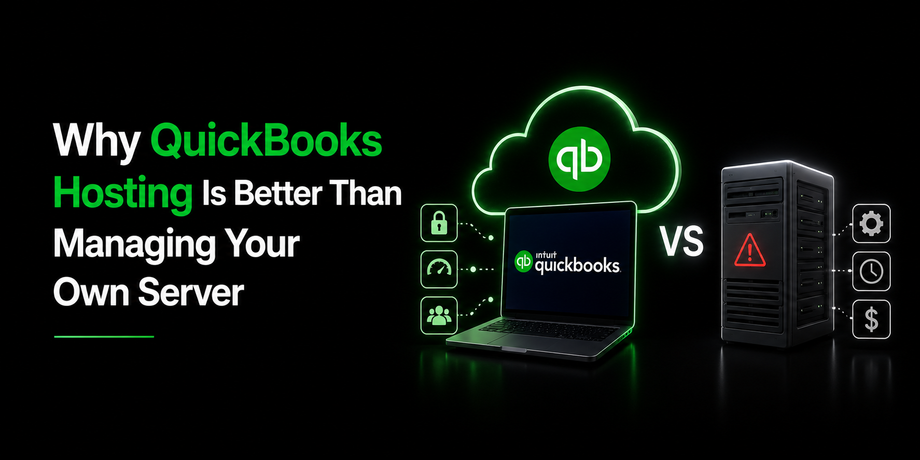
  • Why QuickBooks Hosting Is Better Than Managing Your Own Server
    A apps4rent

    QuickBooks Hosting

    Running QuickBooks on an in-house server used to be the default choice for small and mid-sized businesses. But as teams grow, go remote, and demand faster access to financial data, self-managed servers are starting to show their limits. This is where QuickBooks hosting comes in - a solution that takes the technical burden off your plate while giving your team secure, anytime access to your accounting data.

    In today’s competitive business environment, downtime or slow access to accounting systems can directly impact decision-making, payroll processing, and client servicing. Businesses now expect real-time access, stronger security, and reduced IT dependency. Traditional servers often struggle to meet these expectations consistently, especially without dedicated IT infrastructure or 24/7 monitoring support.

    In this article, we'll break down why more businesses are switching from self-hosted servers to QuickBooks hosting, and what that shift actually means for cost, security, and day-to-day productivity.

    1. Lower Total Cost of Ownership

    Managing your own server isn't just about the upfront hardware cost. It includes:

    • Server purchase and periodic upgrades
    • Licensing for operating systems and backup software
    • Electricity, cooling, and physical space
    • IT staff or contractors to maintain uptime

    These costs often increase over time, especially when hardware becomes outdated or unexpected failures occur. Businesses also underestimate indirect costs such as downtime losses and productivity delays when systems are down.

    With QuickBooks hosting, all of this shifts to a predictable monthly subscription. The hosting provider owns the infrastructure, maintenance, and upgrades, so you avoid large capital expenses and unplanned repair costs. This financial predictability helps businesses plan budgets more effectively and redirect savings toward growth, hiring, or technology improvements rather than server maintenance.

    2. Better Uptime and Reliability

    An in-house server depends on your local power supply, internet connection, and hardware health. A single power outage or hard drive failure can take your accounting system offline for hours — sometimes days. Even minor hardware issues can lead to major disruptions if backups are not properly configured or tested.

    Hosting providers run QuickBooks on enterprise-grade data centers with redundant power, backup internet connections, and 24/7 monitoring. This translates to significantly higher uptime than most businesses can achieve on their own. These environments are designed with multiple failover systems, ensuring uninterrupted access even during unexpected failures or maintenance events.

    As a result, businesses experience fewer interruptions, improved workflow continuity, and more dependable access to financial data when it matters most.

    3. Stronger Security and Compliance

    Self-managed servers require you to independently handle firewalls, antivirus updates, intrusion detection, and patch management. Most small businesses simply don't have the dedicated security staff to do this consistently, which can leave systems exposed to evolving cyber threats.
    QuickBooks hosting providers typically include:

    • Multi-factor authentication
    • Data encryption in transit and at rest
    • Regular automated backups
    • Compliance-ready infrastructure (SOC, HIPAA-aligned, etc., depending on provider)

    In addition, many providers conduct routine vulnerability assessments and security audits to maintain high standards. This proactive approach helps prevent breaches before they occur, rather than reacting after damage is done.

    This level of protection is difficult and expensive to replicate on a self-owned server, especially for growing businesses without dedicated cybersecurity teams.

    4. Remote Access From Anywhere

    One of the biggest advantages of QuickBooks hosting is accessibility. Your team — whether in the office, at home, or traveling — can log into the same QuickBooks environment from any device with an internet connection. This flexibility is especially important in hybrid and remote work environments, where employees need real-time access to financial data without location restrictions.

    Self-hosted servers, on the other hand, usually require VPNs or remote desktop setups that are clunky, slower, and harder to secure. These systems often introduce connection issues, performance lag, and additional maintenance requirements.

    With QuickBooks hosting, users experience a smoother login process, consistent performance, and unified access to data, making collaboration easier and more efficient across distributed teams.

    5. Simplified IT Management

    When something goes wrong with a self-managed server, the responsibility falls entirely on your internal team. This includes troubleshooting crashes, applying patches, monitoring performance, and handling emergency repairs — often outside working hours.

    With hosting, troubleshooting, patching, and maintenance are handled by the provider's support team, freeing your staff to focus on actual business tasks instead of server upkeep. Providers also monitor systems proactively, identifying potential issues before they escalate into downtime.

    This reduces pressure on internal IT teams and eliminates the need for specialized server management expertise in-house. As a result, businesses can operate more efficiently without being slowed down by technical maintenance responsibilities.

    6. Easier Scalability

    Growing businesses often outgrow their existing server hardware, forcing costly upgrades or replacements. Planning for future capacity can be difficult, and over-provisioning often leads to wasted resources and higher costs.

    Hosted environments scale on demand — need more users, more storage, or more processing power? It's usually a quick plan change rather than a hardware overhaul. This flexibility allows businesses to respond quickly to growth or seasonal workload spikes.

    Additionally, scaling down during slower periods is also possible, helping optimize costs. This level of agility is rarely achievable with traditional in-house servers, making QuickBooks hosting a more future-ready solution for modern businesses.

    Making the Switch

    Moving from a self-managed server to a hosted environment doesn't have to be disruptive. Most providers offer migration assistance, and businesses typically notice improvements in speed, accessibility, and peace of mind within the first few weeks.

    The transition usually involves minimal downtime when handled by experienced providers. Data migration, configuration, and user setup are carefully managed to ensure continuity. Training and onboarding support are often included as well, helping teams adapt quickly to the new environment.

    Once the switch is complete, businesses often report improved collaboration, fewer technical issues, and a more stable accounting workflow overall.

    Conclusion

    While managing your own server may feel like it offers more control, the reality is that it often comes with higher costs, more downtime risk, and a heavier IT burden than most businesses are equipped to handle. QuickBooks hosting removes these pain points by offering reliable uptime, enterprise-grade security, and remote accessibility — all without the overhead of owning physical infrastructure.

    For businesses looking to make this transition smoothly, Apps4Rent offers professional QuickBooks hosting solutions backed by secure data centers, responsive support, and flexible plans tailored to businesses of all sizes. Instead of worrying about server maintenance, you can focus on running your business while Apps4Rent handles the technical heavy lifting.
    Ready to Simplify Your Accounting Infrastructure?

    Stop spending time and money maintaining your own server. Switch to a hosted QuickBooks environment and get secure, anytime access to your financial data. Contact Apps4Rent today to get started with a QuickBooks hosting plan built around your business needs.

    Frequently Asked Questions

    1. What is QuickBooks hosting?

    It's a service where QuickBooks is run on a remote, provider-managed server, letting users access it securely over the internet instead of a local machine.

    2. Is QuickBooks hosting secure?

    Yes. Reputable providers use encryption, multi-factor authentication, and regular backups to protect your financial data.

    3. Can multiple users access QuickBooks hosting at the same time?

    Yes, most hosting plans support multi-user access, allowing teams to work simultaneously from different locations.

    4. Is QuickBooks hosting expensive compared to a self-managed server?

    Generally, no. Hosting is typically a predictable monthly cost, avoiding large upfront hardware and IT maintenance expenses.

    5. How do I migrate to QuickBooks hosting?

    Most providers, including Apps4Rent, offer guided migration support to move your existing QuickBooks data with minimal downtime.
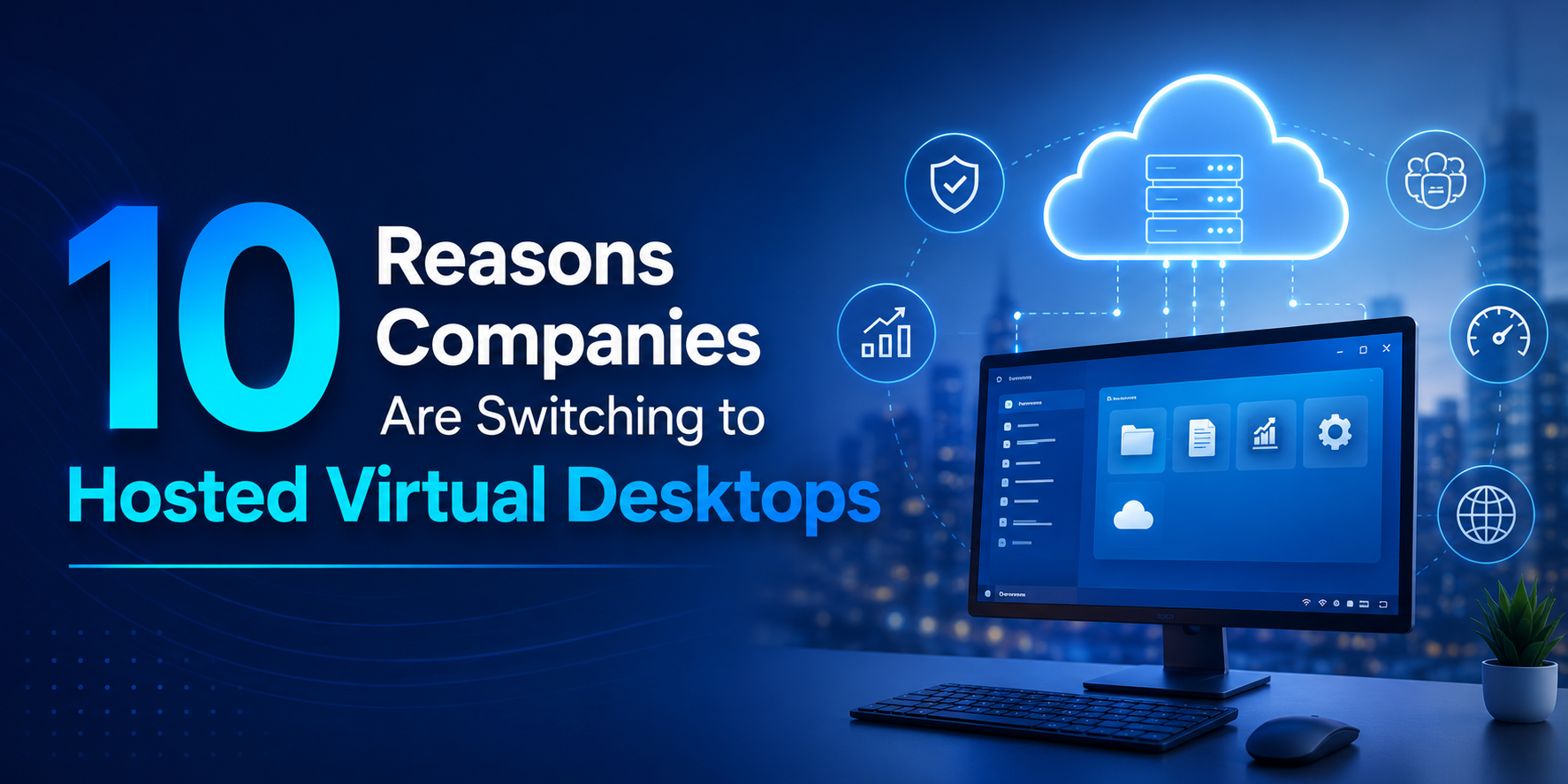
  • 10 Reasons Companies Are Switching to Hosted Virtual Desktops
    A apps4rent

    hosted virtual desktop

    The modern workplace has changed dramatically over the last few years. Businesses are no longer tied to physical office locations, and employees increasingly expect secure access to applications and data from anywhere. As organizations adapt to hybrid and remote work models, many are moving away from traditional desktop infrastructure and embracing cloud-based solutions.

    One technology driving this transformation is the hosted virtual desktop. By delivering desktop environments from the cloud, businesses can provide employees with secure, reliable access to their workspaces from virtually any device. From improved security to lower IT costs, hosted desktop solutions offer numerous advantages that make them an attractive option for organizations of all sizes.

    Here are ten key reasons why companies are making the switch.

    1. Enhanced Remote Work Capabilities

    Remote and hybrid work have become standard business practices. Employees need seamless access to files, applications, and company resources regardless of their location.

    A hosted virtual desktop allows users to access the same desktop experience from a laptop, tablet, or thin client without sacrificing performance or productivity. This flexibility helps businesses support distributed teams while maintaining operational efficiency.

    2. Improved Data Security

    Cybersecurity threats continue to grow in both frequency and sophistication. Traditional desktop environments often store data locally, increasing the risk of data loss if a device is stolen, damaged, or compromised.

    With cloud-hosted desktops, business data remains securely stored in centralized data centers rather than on individual devices. Security measures such as multi-factor authentication, encryption, access controls, and automated monitoring help protect sensitive information and reduce security risks.

    3. Lower IT Infrastructure Costs

    Maintaining physical desktop infrastructure can be expensive. Businesses must purchase hardware, replace aging systems, manage software updates, and maintain on-premises servers.

    A hosted virtual desktop reduces these costs by shifting desktop delivery to the cloud. Organizations can often extend the life of existing devices, minimize hardware investments, and eliminate many infrastructure-related expenses while benefiting from predictable monthly pricing.

    4. Simplified IT Management

    Managing hundreds or thousands of desktops can place a significant burden on IT teams. Software updates, security patches, user provisioning, and troubleshooting often require substantial time and resources.

    Hosted desktop environments centralize management tasks, allowing administrators to deploy updates, configure applications, and manage users from a single platform. This streamlined approach improves efficiency and reduces administrative overhead.

    5. Business Continuity and Disaster Recovery

    Unexpected events such as power outages, natural disasters, cyberattacks, or hardware failures can disrupt business operations.
    Cloud-hosted desktop solutions provide built-in resilience through data backups, redundant infrastructure, and disaster recovery capabilities. Employees can continue working from alternative locations with minimal downtime, helping organizations maintain productivity during unexpected disruptions.

    6. Scalability for Growing Businesses

    Business requirements can change rapidly. Whether adding new employees, opening additional locations, or supporting seasonal demand, companies need technology that can scale efficiently.

    A hosted virtual desktop allows organizations to quickly add or remove users without purchasing additional hardware. This scalability enables businesses to adapt to changing requirements while avoiding unnecessary capital expenditures.

    7. Consistent User Experience

    Employees often work across multiple devices throughout the day. Traditional desktop environments can create inconsistencies in application availability, settings, and performance.

    Hosted desktops provide a consistent user experience regardless of the device being used. Employees can access the same desktop environment, applications, and files from virtually anywhere, improving productivity and reducing frustration.

    8. Faster Deployment of Applications and Resources

    Deploying applications across multiple devices can be time-consuming and complex. IT teams may need to manually install software, troubleshoot compatibility issues, and ensure consistent configurations.

    With cloud-hosted desktops, applications can be deployed centrally and made available to users almost immediately. This reduces deployment times and ensures employees have access to the tools they need to perform their jobs effectively.

    9. Support for Bring Your Own Device (BYOD)

    Many organizations encourage employees to use personal devices for work purposes. While BYOD programs offer flexibility, they can also create security and management challenges.

    Because data remains within the cloud environment, a hosted virtual desktop enables secure BYOD initiatives without exposing sensitive information to personal devices. Employees gain flexibility while businesses maintain greater control over corporate data.

    10. Better Support for Digital Transformation

    Digital transformation initiatives often require modern, cloud-based infrastructure that supports innovation and agility.

    Hosted desktop environments integrate seamlessly with cloud applications, collaboration platforms, and business-critical software. By adopting cloud-based desktop solutions, organizations create a foundation for future growth, modernization, and operational efficiency.

    Conclusion

    The shift toward cloud-based computing is accelerating, and many organizations are discovering the benefits of adopting a hosted desktop environment. From enhanced security and simplified management to business continuity and cost savings, the reasons for switching are compelling.

    If your organization is evaluating desktop virtualization solutions, Apps4Rent can help you implement a secure, scalable, and high-performance hosted virtual desktop environment tailored to your business requirements. With expert support, enterprise-grade infrastructure, and flexible deployment options, Apps4Rent makes it easier to modernize your desktop experience and empower your workforce.

    Frequently Asked Questions

    1. What is a Hosted Virtual Desktop?

    A Hosted Virtual Desktop is a cloud-based desktop environment that allows users to access their applications, files, and settings remotely through an internet connection.

    2. How does a Hosted Virtual Desktop improve security?

    Data is stored in secure cloud infrastructure rather than on local devices, reducing the risk of data loss, theft, and unauthorized access while enabling centralized security controls.

    3. Can employees access a Hosted Virtual Desktop from any device?

    Yes. Users can typically access their virtual desktops from Windows PCs, Macs, tablets, thin clients, and other supported devices.

    4. Is a Hosted Virtual Desktop suitable for small businesses?

    Absolutely. Small businesses benefit from lower upfront costs, simplified IT management, improved security, and scalable resources that grow with the business.

    5. How quickly can a Hosted Virtual Desktop be deployed?

    Deployment timelines depend on the complexity of the environment, but many organizations can be up and running within days rather than weeks or months.


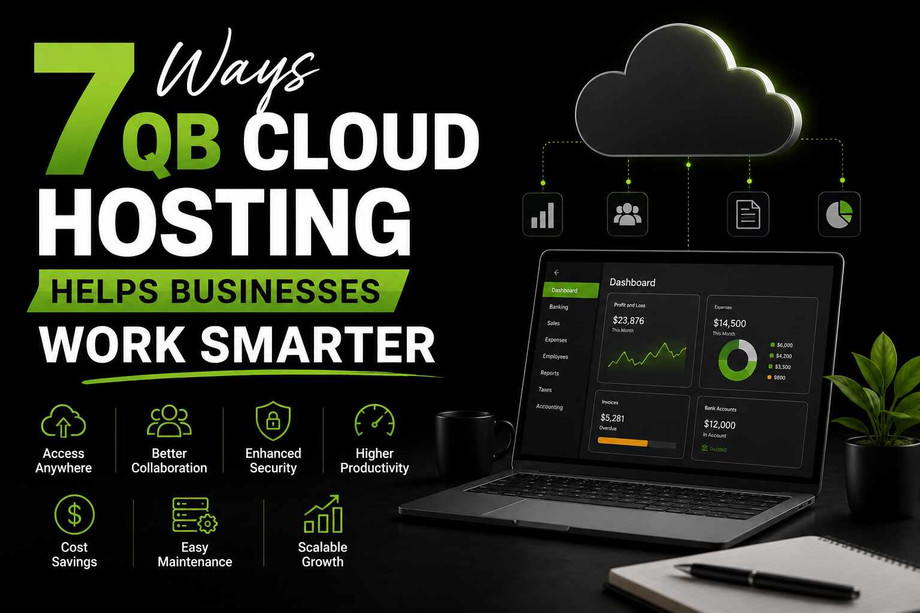
  • 7 Ways QB Cloud Hosting Helps Businesses Work Smarter
    A apps4rent

    QB Cloud Hosting

    In today's fast-paced business environment, companies need technology that enhances productivity, improves collaboration, and reduces operational challenges. Traditional accounting setups often limit flexibility, making it difficult for teams to access financial data when working remotely or across multiple locations. This is where QB Cloud Hosting becomes a valuable solution.

    By moving QuickBooks to a secure cloud environment, businesses gain anytime-anywhere access, enhanced security, and improved efficiency. Whether you're a small business, accounting firm, or growing enterprise, cloud-hosted accounting can transform the way your team works. Here are seven powerful ways QB Cloud Hosting helps businesses work smarter.

    1. Access Your Financial Data Anytime, Anywhere

    One of the biggest advantages of cloud hosting is the ability to access accounting data from virtually any location. Traditional desktop installations restrict users to a specific device or office network, which can slow down operations when employees need remote access.

    With qb cloud hosting, users can securely log in to their QuickBooks environment from desktops, laptops, tablets, or smartphones. This flexibility is especially beneficial for remote teams, traveling executives, and business owners who need real-time access to financial information.

    Having access to critical accounting data whenever needed enables faster decision-making and keeps operations running smoothly regardless of location.

    2. Improve Team Collaboration

    Modern businesses often involve multiple stakeholders working on accounting processes, including bookkeepers, accountants, finance managers, and business owners. Coordinating work through shared files or email attachments can lead to version conflicts and inefficiencies.

    Cloud hosting allows multiple authorized users to work on the same QuickBooks file simultaneously. Team members can view updates in real time, reducing delays and ensuring everyone works with the latest information.

    QB Cloud Hosting streamlines collaboration by eliminating the need to transfer files manually. This improves workflow efficiency and helps accounting teams complete tasks more quickly and accurately.

    3. Strengthen Data Security

    Financial information is among a company's most valuable assets, making security a top priority. Storing accounting files solely on local computers increases the risk of data loss due to hardware failures, cyberattacks, theft, or accidental deletion.

    Cloud hosting providers implement advanced security measures such as encrypted connections, firewalls, multi-factor authentication, and regular monitoring. These protections help safeguard sensitive business information against unauthorized access.

    In addition, cloud environments often include automated backup systems, ensuring critical accounting data remains protected and recoverable even in unexpected situations. This added layer of security provides peace of mind for businesses of all sizes.

    4. Reduce IT Maintenance and Costs

    Managing in-house servers and maintaining accounting software can require significant time, expertise, and financial investment. Businesses often need dedicated IT resources to handle updates, troubleshooting, and infrastructure maintenance.

    By choosing QB Cloud Hosting, companies can reduce the burden of managing hardware and software internally. Hosting providers typically handle server maintenance, operating system updates, security patches, and performance monitoring.

    This allows organizations to lower IT costs while freeing internal teams to focus on strategic business initiatives rather than technical support tasks. The result is a more efficient allocation of resources and improved operational productivity.

    5. Enable Seamless Scalability

    As businesses grow, their technology requirements evolve. Expanding teams, increasing transaction volumes, and additional users can place greater demands on accounting systems.

    Cloud-hosted environments offer the flexibility to scale resources according to changing business needs. Companies can add users, increase storage capacity, and upgrade resources without investing in expensive new hardware.

    QB Cloud Hosting supports business growth by providing scalable infrastructure that adapts to organizational requirements. This flexibility helps businesses remain agile and prepared for future expansion without major disruptions.

    6. Enhance Business Continuity and Disaster Recovery

    Unexpected events such as power outages, hardware failures, natural disasters, or cyber incidents can disrupt operations and potentially lead to data loss. Businesses that rely solely on local systems may face lengthy recovery times and significant downtime.

    Cloud hosting minimizes these risks by storing data in professionally managed data centers with redundancy and backup systems. Automated backups help ensure that accounting information remains protected and accessible when needed.

    In the event of a disruption, businesses can quickly resume operations by accessing their hosted QuickBooks environment from another device or location. This improved resilience supports business continuity and helps prevent costly interruptions.

    7. Boost Overall Productivity

    When employees spend less time dealing with technical limitations, they can focus more on high-value tasks that contribute to business success. Cloud hosting removes many of the barriers associated with traditional desktop accounting systems.

    Faster access to data, improved collaboration, reduced downtime, and automated maintenance all contribute to increased productivity. Teams can complete accounting processes more efficiently, generate reports faster, and make informed decisions based on real-time financial insights.

    By leveraging QB Cloud Hosting, businesses create a more streamlined accounting environment that supports operational excellence and better financial management.

    Additional Benefits of Cloud-Based Accounting

    Beyond the primary advantages, cloud-hosted accounting offers several supplementary benefits that further enhance business performance:

    • Real-time access to financial reports and dashboards
    • Improved support for remote and hybrid work environments
    • Simplified software updates and maintenance
    • Better integration with business applications
    • Increased operational flexibility
    • Reduced risk of data loss
    • Enhanced user experience across multiple devices

    These benefits make cloud hosting an increasingly attractive option for organizations seeking modern, efficient accounting solutions.

    Conclusion

    As businesses continue to embrace digital transformation, cloud technology plays an essential role in improving efficiency and agility. From enabling remote access and strengthening security to enhancing collaboration and supporting growth, QB Cloud Hosting provides numerous advantages that help organizations work smarter every day.

    For businesses looking for a reliable cloud hosting provider, Apps4Rent offers secure, scalable, and high-performance QuickBooks hosting solutions designed to meet the needs of modern organizations. With expert support, robust infrastructure, and flexible hosting options, Apps4Rent helps businesses maximize the benefits of cloud-based accounting while maintaining productivity and data security.


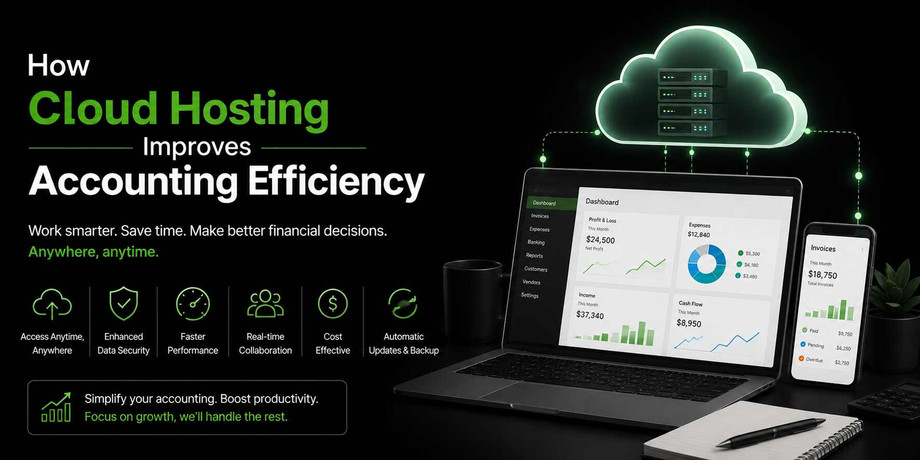
  • How QuickBooks Cloud Hosting Improves Accounting Efficiency
    A apps4rent

    QuickBooks Cloud Hosting

    Modern businesses are rapidly shifting from traditional desktop accounting systems to cloud-based solutions that offer flexibility, speed, and real-time access. Among these, QuickBooks has remained one of the most trusted accounting platforms, and its cloud-based deployment has taken financial management to the next level. One of the biggest advantages organizations experience today is improved efficiency across accounting operations, especially when using quickbooks cloud hosting.

    1. Centralized Access to Financial Data

    One of the main reasons businesses adopt cloud-based accounting is centralized data access. With traditional systems, financial files are often stored on a single machine or local server, limiting accessibility and increasing dependency on physical infrastructure.

    With quickbooks cloud hosting, all accounting data is hosted on secure remote servers and can be accessed from anywhere, at any time. This means accountants, business owners, and financial teams can work on the same data simultaneously without version conflicts or delays. This centralized access reduces duplication of work and ensures that everyone is always working with the most updated financial information.

    2. Improved Collaboration Across Teams

    Accounting is no longer a one-person job. In today’s environment, multiple stakeholders - such as accountants, auditors, managers, and external consultants - often need access to financial data.

    Using quickbooks cloud hosting makes collaboration seamless. Teams can log in from different locations and work on the same file in real time. This eliminates the need to send files back and forth via email, reducing confusion and saving valuable time. It also allows faster decision-making since financial reports and updates are available instantly.

    3. Enhanced Data Security and Backup

    Security is a major concern when it comes to financial information. Traditional desktop systems are vulnerable to hardware failure, theft, and accidental data loss.

    Cloud hosting providers implement advanced security protocols such as encryption, multi-factor authentication, and regular monitoring to safeguard financial data. With quickbooks cloud hosting, data is automatically backed up at regular intervals, ensuring that even in the event of a system failure, no critical financial information is lost.

    This level of protection significantly reduces risk and gives businesses peace of mind when managing sensitive accounting records.

    4. Faster Performance and Reduced Downtime

    Slow systems and downtime can severely impact accounting efficiency, especially during peak financial periods like tax filing or month-end closing. Cloud-based environments are optimized for performance and are maintained by dedicated technical teams.

    With quickbooks cloud hosting, users experience faster processing speeds and minimal downtime compared to traditional desktop setups. Updates, patches, and maintenance are handled in the background by the hosting provider, meaning businesses do not need to interrupt their workflow for system upgrades or troubleshooting.

    5. Scalability for Growing Businesses

    As businesses grow, their accounting needs also expand. Adding new users, increasing storage, or upgrading systems in a traditional setup can be time-consuming and expensive.

    Cloud hosting offers scalability on demand. Whether a business has five users or fifty, resources can be easily adjusted without major infrastructure changes. quickbooks cloud hosting allows organizations to scale their accounting environment as their business evolves, ensuring long-term flexibility and cost efficiency.

    6. Automation and Workflow Efficiency

    Automation is another key factor that improves accounting efficiency. Cloud-hosted QuickBooks allows integration with various tools and applications that help automate repetitive tasks such as invoicing, payroll processing, and report generation.

    By reducing manual entry and repetitive processes, quickbooks cloud hosting helps accounting teams focus on more strategic tasks like financial analysis and planning. This not only improves productivity but also reduces the chances of human error in financial records.

    7. Remote Work Enablement

    The rise of remote and hybrid work models has made cloud accounting even more important. Employees are no longer restricted to working from a single office location.

    With quickbooks cloud hosting, teams can securely access accounting systems from laptops, tablets, or even mobile devices. This flexibility ensures that financial operations continue smoothly regardless of where employees are working from. It also supports global teams and businesses with multiple branches.

    8. Compliance and Reporting Efficiency

    Regulatory compliance is a critical part of financial management. Businesses must maintain accurate records and generate timely reports for audits and tax purposes.

    Cloud-hosted accounting systems simplify compliance by keeping data organized, updated, and easily retrievable. Reports can be generated in real time, reducing the stress of manual compilation. QuickBooks cloud hosting ensures that financial data remains structured and accessible, making audits and compliance checks significantly easier.

    9. Reduced IT Maintenance Burden

    Traditional accounting systems require ongoing IT maintenance, including software updates, server management, and troubleshooting. This often leads to additional costs and dependency on technical staff.

    With cloud-based hosting, most of the technical workload is handled by the service provider. Businesses using quickbooks cloud hosting do not need to worry about infrastructure management, allowing them to focus entirely on core accounting tasks rather than system maintenance.

    Conclusion

    In today’s fast-paced business environment, efficiency in accounting is not just a benefit—it is a necessity. From improved collaboration and enhanced security to scalability and automation, cloud-based accounting systems have transformed how businesses manage their finances.

    Adopting quickbooks cloud hosting helps organizations streamline their accounting operations, reduce manual effort, and improve overall productivity. By eliminating infrastructure challenges and enabling real-time access, it empowers teams to work smarter and faster.

    For businesses looking to enhance their accounting efficiency with reliable cloud solutions, Apps4Rent offers secure, scalable, and high-performance hosting services tailored to modern financial needs.


  • Why QuickBooks Cloud Is the Future of Business Accounting
    A apps4rent

    Businesses today operate in a fast-changing digital environment where flexibility, efficiency, and secure access to information are more important than ever. Traditional accounting methods that rely on local desktops and physical office systems are no longer enough for companies that want to stay competitive and productive. As organizations embrace digital transformation, cloud technology is becoming the preferred solution for financial management.

    One of the most significant innovations in accounting technology is quickbooks cloud. By moving QuickBooks to the cloud, businesses can access accounting data from anywhere, improve collaboration, strengthen security, and streamline operations. From startups and small businesses to large enterprises, organizations are increasingly recognizing the value of cloud-based accounting solutions.

    This article explores why cloud-hosted QuickBooks is shaping the future of business accounting and how it helps companies improve efficiency, scalability, and overall performance.

    quickbooks cloud

    The Growing Shift Toward Cloud Technology

    Over the last decade, businesses have rapidly adopted cloud technology across various industries. Companies now rely on cloud-based platforms for communication, customer management, data storage, and collaboration. Accounting systems are following the same trend because businesses require flexible financial tools that support modern work environments.

    Traditional accounting systems often come with limitations such as restricted accessibility, manual backups, hardware dependency, and limited collaboration capabilities. Cloud-based solutions eliminate many of these challenges by allowing users to securely access applications and data online.

    The rise of remote work and hybrid business models has further accelerated the adoption of cloud accounting solutions. Businesses now need accounting software that supports real-time access, secure collaboration, and operational continuity from any location.

    Anytime, Anywhere Accessibility

    One of the biggest advantages of quickbooks cloud is the ability to access financial data from virtually anywhere. Traditional desktop-based QuickBooks systems usually require users to work from a specific office computer or local network. This limitation can reduce flexibility and slow down business operations.

    Cloud hosting allows employees, accountants, and business owners to securely access QuickBooks using laptops, tablets, or smartphones from any location with an internet connection.

    This level of accessibility offers several benefits:

    Remote work flexibility
    Faster decision-making
    Improved productivity
    Better support for traveling employees
    Easy access across multiple office locations

    Business owners can monitor financial reports, invoices, payroll, and transactions even while traveling, ensuring continuous control over operations.

    Improved Collaboration Across Teams

    Modern businesses often require accountants, bookkeepers, managers, and financial advisors to work together on the same financial data. Traditional systems can create collaboration challenges because files need to be transferred manually or updated separately.

    With cloud-hosted QuickBooks, multiple authorized users can work on the same files simultaneously in real time. Team members always have access to the latest data, reducing errors caused by outdated versions or duplicate files.

    Improved collaboration leads to:

    Faster accounting workflows
    Better communication
    Increased operational efficiency
    Reduced manual data sharing
    Improved project coordination

    This feature is especially valuable for businesses with distributed teams or external accounting professionals.

    Enhanced Security and Data Protection

    Financial information is one of the most sensitive assets within a business. Cybersecurity threats, accidental deletion, and hardware failures can create serious financial and operational risks.

    Professional cloud hosting providers implement advanced security measures to protect accounting data. These may include:

    End-to-end encryption
    Multi-factor authentication
    Firewall protection
    Continuous monitoring
    Automated backups
    Disaster recovery systems

    Compared to traditional desktop systems, cloud-hosted environments often provide stronger protection and more reliable backup solutions.

    Businesses using quickbooks cloud can benefit from enterprise-grade security without investing heavily in their own IT infrastructure.

    Automatic Backup and Disaster Recovery

    Data loss can occur unexpectedly due to cyberattacks, power failures, hardware malfunctions, or natural disasters. Losing accounting records can disrupt operations and lead to compliance issues.

    Cloud-hosted QuickBooks solutions typically include automated backup systems that regularly save financial data in secure data centers. If files are accidentally deleted or systems fail, businesses can restore data quickly with minimal downtime.

    Disaster recovery capabilities ensure business continuity and reduce the risks associated with unexpected disruptions.

    Scalability for Growing Businesses

    As businesses expand, their accounting needs become more complex. More employees, larger data volumes, and additional financial processes require scalable solutions.

    Traditional desktop systems may struggle to handle increasing workloads or multiple users. In contrast, cloud-based solutions can easily scale resources according to business needs.

    Cloud hosting allows businesses to:

    Add new users quickly
    Expand storage capacity
    Upgrade server performance
    Support additional integrations

    This scalability makes cloud accounting ideal for growing companies looking to adapt without significant infrastructure investments.

    Reduced IT and Infrastructure Costs

    Maintaining on-premise servers and IT infrastructure can be expensive. Businesses often need to purchase hardware, manage updates, perform maintenance, and hire technical staff.

    Cloud hosting reduces these costs because the hosting provider manages the infrastructure, security, and maintenance. Businesses can avoid large upfront hardware investments and instead use predictable subscription-based pricing models.

    Reduced IT responsibilities allow companies to focus more on business growth and less on technical management.

    Faster Performance and Reliability

    Accounting operations require reliable performance and consistent uptime. Slow software, lagging systems, or server failures can disrupt daily tasks and lower productivity.

    Professional cloud hosting providers use enterprise-level infrastructure designed for high performance and reliability. Businesses benefit from:

    Faster application performance
    High uptime guarantees
    Stable multi-user access
    Reduced downtime
    Efficient data processing

    Reliable performance improves employee efficiency and helps maintain smooth accounting workflows.

    Easy Integration with Business Applications

    Modern businesses often use multiple software applications alongside QuickBooks, such as CRM systems, payroll software, tax tools, and Microsoft Office applications.

    Cloud-hosted QuickBooks environments typically support integration with various third-party applications, making workflows more streamlined and efficient.

    Integrated systems help businesses:

    Reduce manual data entry
    Improve reporting accuracy
    Automate repetitive tasks
    Increase productivity

    This flexibility supports more connected and efficient business operations.

    Supporting the Future of Remote Work

    Remote and hybrid work models are becoming standard for many organizations. Businesses now require systems that allow employees to work securely and efficiently from different locations.

    Cloud-based accounting solutions perfectly support this shift by providing secure remote access to accounting software and financial data.

    Employees can collaborate, process transactions, and generate reports without needing to be physically present in the office. This flexibility improves employee satisfaction and supports business continuity in changing work environments.

    Better Business Continuity

    Unexpected disruptions such as office closures, severe weather, or technical failures can impact traditional accounting systems. Businesses relying solely on local infrastructure may experience long periods of downtime.

    Cloud-hosted solutions improve resilience by storing data securely in remote data centers. Even if office systems become unavailable, employees can continue accessing QuickBooks remotely.

    This level of continuity is critical for businesses that depend on uninterrupted financial management.

    Conclusion

    The future of accounting is increasingly cloud-driven, and businesses that adopt modern accounting solutions gain a significant advantage in flexibility, security, and operational efficiency. Traditional desktop systems can no longer fully support the demands of today’s fast-moving digital business environment.

    By adopting quickbooks cloud, businesses can improve collaboration, access financial data remotely, reduce IT costs, strengthen security, and scale operations more effectively. These advantages make cloud-hosted accounting a smart investment for organizations seeking long-term growth and efficiency.

    As technology continues to evolve, cloud-based accounting solutions will play an even larger role in helping businesses stay agile, productive, and competitive in the modern marketplace.

  • Login

  • Don't have an account? Register

  • Login or register to search.
  • First post
    Last post
0
  • Categories
  • Recent
  • Tags
  • Popular
  • Users
  • Groups