Skip to content
  • Categories
  • Recent
  • Tags
  • Popular
  • Users
  • Groups
Skins
  • Light
  • Dark

Collapse
Brand Logo

Forum

A

albertthomas

@albertthomas
About
Posts
6
Topics
6
Groups
0
Followers
0
Following
0

Posts

Recent Best Controversial

  • How to Sell Leftover Mexican Pesos After Returning from Mexico
    A albertthomas

    alt text

    Returning home from Mexico with leftover pesos is common among travelers. You may have exchanged more money than you needed for your vacation, received cash back from purchases, or kept some banknotes for emergencies. Instead of leaving that currency unused in a drawer, you may want to exchange it for US dollars.

    If you are wondering how to sell mexican peso after returning to the United States, several options are available. Banks and currency exchange providers may accept eligible Mexican banknotes, while some online services allow customers to complete the exchange through a mail-in process. Understanding these options can help you choose a convenient method and avoid unnecessary fees.

    1. Check Your Leftover Mexican Pesos

    Before looking for a currency exchange provider, organize the pesos you brought back from your trip. Separate banknotes from coins and check the denominations and condition of each note.

    Many currency exchange services focus on current, eligible banknotes and may not accept coins, damaged notes, or certain older currency issues. Acceptance policies vary between providers, so it is important to confirm which notes are eligible before arranging an exchange.

    Keep your banknotes in a safe place while comparing your options. Avoid folding, marking, or damaging them, as their condition may affect whether a provider accepts them.

    2. Visit a Bank in the United States

    One option is to contact a bank and ask whether it exchanges Mexican pesos for US dollars. Some banks provide foreign currency exchange services, but availability depends on the institution and its policies.

    Not every bank accepts foreign currency from non-customers. Some may only handle specific currencies or require an appointment. You should also ask whether the bank accepts Mexican pesos in cash and what fees or exchange-rate margins apply.

    Before visiting a branch, call ahead to confirm its services. This can save you time and help you avoid carrying your leftover currency to a location that cannot process the exchange.

    3. Use an Online Currency Exchange Provider

    Online currency exchange providers can offer an alternative to visiting a bank branch. Some businesses accept eligible foreign banknotes through a mail-in process, allowing customers to arrange an exchange from home.

    If you want to sell mexican peso without visiting a physical exchange counter, research providers that clearly explain their selling process. Check their currency acceptance policies, payment methods, shipping instructions, processing estimates, and customer support information.

    US First Exchange is an option for people in the United States who want to exchange foreign currency by mail. Customers can explore its services when looking for a way to exchange eligible Mexican banknotes for US dollars.

    Before sending any currency, review the provider's instructions carefully. Do not mail your banknotes until you understand the required process and how the transaction will be handled.

    4. Compare Exchange Rates and Fees

    The amount you receive for your leftover pesos depends on the exchange rate offered by the provider and any applicable fees.

    The Mexican peso to US dollar exchange rate changes over time. Therefore, the amount you could receive today may differ from what you would have received during your trip.

    When comparing providers, consider:

    • Exchange rate: Check how many US dollars you will receive for your Mexican pesos.

    • Service fees: Ask whether transaction or processing charges apply.

    • Shipping costs: Review the cost of sending banknotes if using a mail-in service.

    • Payment method: Confirm how the provider issues payment.

    • Processing time: Understand the estimated time needed to review and complete the transaction.

    When you sell mexican peso, compare the final amount you expect to receive rather than choosing a provider based only on an advertised exchange rate.

    5. Understand How Mail-In Currency Exchange Works

    A mail-in currency exchange service can be useful if you live far from a currency exchange location or prefer handling the process from home.

    Although procedures differ between companies, the general process may involve the following steps:

    1. Choose a provider: Research its reputation, currency acceptance policies, and transaction requirements.

    2. Review the instructions: Understand the exchange rate, fees, shipping requirements, and payment terms.

    3. Prepare your banknotes: Check that your Mexican pesos meet the provider's acceptance conditions.

    4. Package your currency: Follow the company's instructions for secure packaging and mailing.

    5. Send and track your shipment: Use an appropriate shipping method and retain your tracking information.

    6. Receive payment: The provider reviews the currency and processes payment according to its stated policies.

    Always follow the provider's specific instructions. Consider using a shipping service with tracking and suitable protection, and keep a record of your transaction.

    6. What If You Have Old Mexican Pesos?

    Some travelers discover that they have older Mexican banknotes left over from previous trips. Not every older note is necessarily accepted by currency exchange businesses.

    Mexico has introduced different banknote series over the years, and some older denominations or designs may have different circulation or exchange status. Before attempting to sell older notes, check their series, denomination, and current acceptance requirements.

    Contact the exchange provider with details about your banknotes before sending them. This helps you understand whether they are eligible for purchase.

    7. Tips for Getting a Smooth Currency Exchange

    A few simple precautions can make the process easier:

    • Compare more than one exchange provider before deciding.

    • Confirm that the company accepts the specific Mexican banknotes you hold.

    • Check the total fees and expected payment amount.

    • Read customer reviews and verify business contact information.

    • Follow all packaging and shipping instructions.

    • Keep copies of transaction details and shipping receipts.

    • Avoid informal buyers who cannot explain their exchange process.

    Taking these steps can help you make a more informed decision when you sell mexican peso after your vacation.

    Frequently Asked Questions

    1. Where can I exchange leftover Mexican pesos in the USA?

    You can contact banks and established currency exchange providers to ask whether they accept Mexican banknotes. Some online providers also offer mail-in exchange services.

    2. Can I sell Mexican pesos online?

    Yes. Certain currency exchange companies allow customers to send eligible Mexican banknotes by mail and receive payment according to the provider's terms.

    3. Do currency exchange providers accept Mexican coins?

    Acceptance varies. Many providers focus on banknotes and may not accept coins, so confirm the policy before sending your currency.

    4. Should I exchange my pesos immediately after returning home?

    There is no universal best time. Exchange rates fluctuate, so compare the current rate and applicable fees before deciding.

    Conclusion

    Leftover Mexican pesos do not have to remain unused after your vacation. You can explore banks and online currency exchange providers to find a suitable way to exchange your physical banknotes for US dollars.

    Before choosing a service, compare exchange rates, fees, payment methods, and currency acceptance policies. If you prefer handling the process from home, US First Exchange offers a mail-in foreign currency exchange option worth exploring. Reviewing the requirements in advance can help you make a more confident and convenient currency exchange decision.



  • How Can I Evaluate the Quality of a New Construction Home?
    A albertthomas

    Buying a newly constructed home offers the opportunity to enjoy modern layouts, updated systems, and contemporary design. However, a new home is not automatically a well-built home. Construction quality depends on the materials used, the workmanship, compliance with building requirements, and the care taken during each stage of the project.

    For buyers exploring new home construction Brentwood, evaluating quality is especially important when considering a luxury property. A beautiful exterior and premium finishes may create a strong first impression, but the home's structural components, drainage, electrical systems, plumbing, and energy efficiency also deserve careful attention.

    Reeland Investments recognizes the importance of making informed real estate decisions. Whether you are purchasing a newly built property or planning a custom home, understanding what to inspect can help you identify potential concerns and make a more confident investment.

    Examine the Builder's Reputation and Experience

    One of the first steps in evaluating a new construction home is researching the builder responsible for the project. A builder's experience, previous work, and approach to quality control can provide useful information about what to expect.

    Review completed projects and look for consistency in construction quality, architectural details, and overall finishing. If possible, visit properties the builder has completed and speak with previous clients about their experiences.

    Ask how the builder manages subcontractors, schedules inspections, handles construction changes, and addresses defects discovered during or after completion. Clear communication and documented procedures are valuable signs of an organized construction process.

    You should also verify applicable contractor licensing and insurance through the appropriate California resources. Review the proposed contract carefully to understand the scope of work, materials, payment schedule, completion expectations, and warranty provisions.

    When researching new home construction Brentwood, do not base your decision solely on impressive marketing photographs or a property's advertised luxury features. Investigate the quality behind the presentation.

    Check the Structural Components

    The structure is one of the most important parts of a home because it supports the building and helps maintain its stability over time. Although buyers may not be able to evaluate structural engineering themselves, they can request documentation and arrange for qualified professionals to inspect relevant components.

    Depending on the stage of construction, important elements include the foundation, framing, roof structure, load-bearing components, and connections between structural elements.

    Ask whether the construction has undergone the required inspections and whether any outstanding issues remain. Review available inspection records, approved plans, and relevant engineering documentation.

    In areas where hillside terrain or challenging soil conditions are present, foundation design and site stability deserve particular attention. Properties in and around Brentwood can have different site characteristics, so requirements should be evaluated for the specific lot rather than assumed to be the same for every home.

    An independent qualified inspector or structural engineer can help identify visible concerns and determine whether additional investigation is needed. Avoid relying only on a builder's verbal assurance when documentation or a professional assessment is appropriate.

    Evaluate Roofing, Waterproofing, and Drainage

    Water intrusion can lead to expensive repairs and damage to interior finishes, insulation, and structural materials. For this reason, roofing, waterproofing, and drainage should be included in any assessment of a newly constructed home.

    Examine the roof for visible defects where accessible and ask about the roofing materials, installation standards, and warranty coverage. A qualified inspector can assess the condition of accessible roof areas and identify signs that warrant further investigation.

    Check windows, doors, balconies, decks, and exterior wall connections for appropriate sealing and visible signs of water entry. Look for staining, bubbling paint, musty odors, or damp areas, while recognizing that the absence of visible symptoms does not guarantee that concealed areas are free from defects.

    Drainage is especially important because water should be directed away from the home's foundation and managed according to the approved site design. Ask how roof runoff, surface water, retaining structures, and other drainage features are handled.

    For homeowners evaluating new home construction Brentwood, understanding the site's slope and drainage design can be particularly helpful when assessing a property on uneven terrain.

    Inspect Electrical, Plumbing, and HVAC Systems

    A newly built home should have essential systems installed in accordance with applicable codes and approved plans. These systems affect safety, comfort, reliability, and future maintenance expenses.

    During an inspection, ask a qualified professional to assess accessible electrical components, outlets, lighting, plumbing fixtures, visible pipework, and heating and cooling equipment.

    Check that faucets operate correctly, drains function properly, toilets flush as expected, and there are no obvious leaks. Ask about the location of shutoff valves, the water heater's installation, and any water filtration or circulation systems included with the property.

    The heating, ventilation, and air-conditioning system should be evaluated for suitable operation and installation. Ask whether the system was designed for the home's size and layout, whether required testing was completed, and how filters and equipment should be maintained.

    Electrical panels and other components should be reviewed by qualified professionals when necessary. Do not open equipment or attempt technical testing yourself if doing so could create a safety risk.

    Request manuals, warranties, and maintenance instructions for major equipment. These records can help you understand how to care for the home's systems after taking ownership.

    Assess Materials and Workmanship

    Luxury homes often feature premium finishes, but the quality of installation matters just as much as the materials themselves. Carefully inspect visible surfaces throughout the property and look for consistent workmanship.

    Check flooring for obvious uneven areas, gaps, or damaged sections. Examine cabinetry, countertops, doors, trim, tile, and paint for poor alignment, incomplete finishing, or visible defects.

    Open and close windows, interior doors, drawers, and cabinets to confirm that they operate properly. Review tile joints, sealant around wet areas, and transitions between different flooring materials.

    Also evaluate exterior finishes, including siding, stucco, stonework, and paving. The materials should be appropriate for their intended use and installed according to applicable specifications.

    A small cosmetic imperfection may be relatively easy to correct, while repeated defects or evidence of moisture may warrant further investigation. Document concerns with photographs and written notes so they can be reviewed systematically.

    If the home is still under construction, ask about the process for identifying and correcting defects before final completion.

    Review Energy Efficiency and Indoor Comfort

    Modern construction can incorporate features that improve comfort and reduce energy use, but buyers should verify what has actually been installed.

    Ask about insulation, window performance, air sealing, heating and cooling equipment, ventilation, and lighting. Depending on the home, other features may include solar panels, battery storage, smart thermostats, or energy-management systems.

    Review available energy compliance documentation and equipment specifications. If energy efficiency is a priority, ask whether performance testing or additional assessments are available.

    Pay attention to the home's natural light, room temperatures, airflow, and noise levels during a visit. These observations can help you identify questions to raise with the builder or inspector.

    Energy efficiency is not determined by a single product or feature. The performance of the home depends on how its components work together, how they were installed, and how the systems are maintained.

    Verify Permits, Inspections, and Warranty Documents

    Before completing a purchase, ask for relevant construction records. Depending on the project, these may include approved plans, permit records, required inspection sign-offs, equipment manuals, and warranty documentation.

    Confirm the status of applicable approvals with the relevant local authority when necessary. Do not assume that all requirements have been satisfied simply because the property appears finished.

    Review the written warranty carefully. Understand what is covered, how long coverage lasts, what exclusions apply, and how to report a potential defect. New construction does not eliminate the possibility of future repairs.

    Ask whether any outstanding work remains and how incomplete items will be documented and resolved. Make sure agreed repairs or corrective work are recorded in writing.

    For new home construction Brentwood, reviewing the property's documentation alongside its physical condition provides a more complete picture of construction quality.

    Arrange an Independent Professional Inspection

    Even when a home is newly constructed, an independent inspection can be valuable. A qualified home inspector can examine accessible components and identify issues that may not be obvious during a casual viewing.

    Depending on the property, you may also need specialist assessments involving structural engineering, roofing, drainage, or other technical systems.

    If possible, arrange inspections at appropriate stages before construction is fully concealed and again before final completion. For an already completed home, schedule an inspection early enough to understand the findings and discuss any relevant issues before closing, subject to the purchase agreement.

    Attend the inspection if possible, ask questions, and request a written report. Use the findings to distinguish routine finishing items from concerns that require further evaluation or repair.

    An inspection cannot guarantee that every concealed defect will be found, but it can help you make a more informed decision.

    Frequently Asked Questions

    Is a newly built home always better quality than an older home?

    No. A new home may offer modern systems and updated design, but quality still depends on materials, workmanship, construction practices, and maintenance. An independent inspection remains valuable.

    Should I hire my own home inspector?

    Yes, an independent qualified inspector can provide an objective assessment of accessible components and identify issues that deserve further investigation.

    What should I check first when viewing a new construction home?

    Start by reviewing the property's documentation and overall condition. Pay particular attention to structural concerns, drainage, roofing, major systems, and visible workmanship defects.

    Can a new home have hidden defects?

    Yes. Some problems may be concealed behind walls, beneath floors, or within roofing and drainage systems. An inspection can identify warning signs, although no inspection can detect every hidden issue.

    What documents should I request before buying?

    Ask for relevant permits and inspection records, approved plans where available, equipment manuals, warranty documents, and written details of any outstanding work or agreed repairs.

    Final Thoughts

    Evaluating a new construction home's quality requires more than looking at its finishes and architectural style. Structural components, waterproofing, drainage, mechanical systems, workmanship, energy performance, permits, and warranty documentation all deserve attention.

    For buyers considering new home construction Brentwood, combining careful document review with an independent professional inspection can help reveal potential concerns before completing a purchase. Reeland Investments encourages homeowners and buyers to evaluate both the property's visible features and the construction details that support its long-term performance.

    Visit https://reeland-investments.com/ to learn more about Reeland Investments and its real estate and new construction offerings.

    Meta Description: Learn how to evaluate new home construction in Brentwood, from structural quality and drainage to permits, inspections, and warranties with Reeland Investments.


  • How Reeland Investments Creates Modern Luxury Residences in Malibu
    A albertthomas

    Luxury homes are more than beautiful structures. They represent thoughtful design, quality craftsmanship, advanced planning, and a deep understanding of how people want to live. In a coastal community like Malibu, modern luxury residences require a balance between architectural beauty, comfort, functionality, and the surrounding environment.

    For homeowners searching for the best luxury home builders Malibu, understanding the approach behind luxury home development is an important part of choosing the right partner. Reeland Investments focuses on creating modern residences that combine sophisticated design, quality construction, and timeless appeal.

    A Thoughtful Approach to Luxury Home Development

    Creating a luxury residence begins with a clear vision. Every detail, from the overall architecture to the smallest interior features, plays a role in the final experience.

    Reeland Investments approaches each project with careful planning and attention to detail. The focus is on understanding the property, lifestyle goals, and design possibilities to create homes that feel unique and personalized.

    The best luxury home builders Malibu understand that a luxury home is not simply about size or appearance. It is about creating a space where design, comfort, and functionality work together.

    Modern Coastal Design Inspired by Malibu Living

    Malibu homes often reflect a connection between indoor comfort and outdoor beauty. Modern luxury design focuses on creating spaces that take advantage of natural surroundings while maintaining privacy and elegance.

    Important design elements may include:

    • Open-concept living spaces
    • Large windows for natural light
    • Indoor-outdoor connections
    • Outdoor entertainment areas
    • Custom architectural details
    • Comfortable gathering spaces

    Reeland Investments focuses on creating residences that support modern California living through thoughtful layouts and carefully considered design choices.

    For buyers researching the best luxury home builders Malibu, understanding how a builder approaches design and lifestyle integration is essential.

    Quality Craftsmanship and Attention to Detail

    Luxury homes are defined by the details. Premium materials, precise construction, and careful execution help create a residence that feels exceptional.

    Craftsmanship can be seen through:

    • Custom finishes
    • Quality materials
    • Architectural features
    • Detailed interior elements
    • Functional design solutions

    Reeland Investments emphasizes quality throughout every stage of development, from initial planning to final delivery.

    The best luxury home builders Malibu recognize that true luxury comes from combining design vision with skilled execution.

    Creating Homes With Premium Features

    Modern luxury homeowners often expect residences that provide both comfort and convenience. Today's high-end homes commonly include features designed around everyday living.

    Popular luxury features include:

    • Custom kitchens
    • Spa-inspired bathrooms
    • Smart home technology
    • Flexible living spaces
    • Private outdoor areas
    • Premium flooring and finishes
    • Modern lighting systems

    Reeland Investments focuses on integrating features that enhance the homeowner experience while maintaining a timeless design approach.

    When considering the best luxury home builders Malibu, homeowners should look for a development approach that balances current trends with lasting value.

    A Focus on Functional Luxury

    Luxury does not only mean visual appeal. A well-designed home should also support the way people live every day.

    Functional luxury considers:

    • How spaces connect
    • How families use the home
    • How indoor and outdoor areas interact
    • How materials perform over time
    • How technology improves convenience

    Reeland Investments creates residences with a focus on practical elegance, ensuring each space serves a purpose while maintaining a refined atmosphere.

    The best luxury home builders Malibu combine creativity with functionality to create homes that remain valuable and enjoyable for years.

    The Reeland Investments Development Process

    Reeland Investments brings together design, construction, renovation, and real estate development with a focus on consistency and quality.

    The development process includes:

    • Understanding the property vision
    • Planning the design direction
    • Managing construction details
    • Selecting quality materials
    • Delivering a finished residence

    This approach allows Reeland Investments to focus on creating homes that reflect modern luxury standards and thoughtful craftsmanship.

    For homeowners looking for the best luxury home builders Malibu, a complete understanding of the development process can help create confidence throughout the project.

    Why Choose Reeland Investments?

    Reeland Investments specializes in luxury home development, new construction, renovation, and real estate development throughout Southern California.

    The company focuses on:

    • Thoughtful architectural design
    • Quality craftsmanship
    • Modern residential solutions
    • Detailed project execution
    • Long-term value

    For homeowners searching for the best luxury home builders Malibu, Reeland Investments provides a development-focused approach centered around creating exceptional residences.

    Frequently Asked Questions

    What makes a luxury home different from a standard home?

    Luxury homes typically include customized designs, premium materials, detailed craftsmanship, advanced features, and layouts created around specific lifestyles.

    What should I look for in luxury home builders in Malibu?

    Look for experience, attention to detail, design expertise, construction quality, communication, and a strong development process.

    What features are popular in modern Malibu luxury homes?

    Popular features include indoor-outdoor living spaces, custom kitchens, smart technology, premium finishes, and natural design elements.

    Does Reeland Investments create luxury residences in Malibu?

    Reeland Investments specializes in luxury home development, new construction, renovation, and real estate development throughout Southern California.

    Why is craftsmanship important in luxury home construction?

    Craftsmanship influences the quality, appearance, durability, and overall experience of a luxury residence.

    Final Thoughts

    Creating a modern luxury residence in Malibu requires more than construction. It requires thoughtful design, quality craftsmanship, and a clear understanding of how homeowners want to experience their space.

    For those searching for the best luxury home builders Malibu, Reeland Investments focuses on developing residences that combine modern architecture, functionality, and lasting appeal.

    Through careful planning, attention to detail, and a commitment to quality execution, Reeland Investments continues to create luxury homes designed for modern Southern California living.


  • The Ultimate Guide to SEO Services in California (2026)
    A albertthomas

    Businesses across California compete in one of the most dynamic digital markets in the world. Companies that appear on the first page of search engines often receive the majority of clicks and leads. Because of this, many organizations invest in professional seo services california to strengthen their online presence and attract consistent traffic.

    Search engines constantly update their algorithms. As a result, businesses must follow modern strategies that prioritize user experience, valuable content, and technical performance.

    This guide explains how seo services california work, why they matter in 2026, and how businesses can choose the right professionals to support long-term growth.

    Why SEO Matters for Businesses in California

    California hosts thousands of startups, tech companies, local service providers, and ecommerce brands. Every industry competes for visibility online. Without a clear search strategy, even excellent products remain hidden.

    Effective seo services california help businesses appear when customers search for relevant solutions. When a website ranks higher, it earns more organic traffic. More traffic often leads to more inquiries, sales, and brand recognition.

    Research from the academic field of Search Engine Optimization consistently shows that users trust organic results more than paid advertisements. This trust increases the value of long-term optimization efforts.

    Many organizations also work with an experienced seo consultant california to identify opportunities, audit websites, and create data-driven strategies. Professional guidance helps companies avoid outdated techniques that search engines no longer support.

    What Professional SEO Services Usually Include

    A reliable provider delivers several services that work together to improve search visibility. These components form the foundation of modern seo services california.

    Keyword Research

    Keyword research identifies phrases that potential customers use when searching online. Specialists analyze search intent, competition, and relevance before choosing target keywords.

    A professional seo agency california usually studies market trends and customer behavior before building a keyword strategy. This research ensures that content aligns with real user queries.

    On-Page Optimization

    On-page optimization focuses on improving individual pages. Specialists adjust title tags, meta descriptions, headings, and content structure to help search engines understand the topic clearly.

    They also improve internal linking and readability. Clear content helps both users and search engines navigate a website efficiently.

    Technical SEO

    Technical performance plays a crucial role in rankings. Search engines prefer fast, secure, and mobile-friendly websites.

    An experienced seo company california often performs technical audits that check page speed, indexing issues, crawl errors, and structured data. Fixing these issues improves overall website health.

    Content Strategy

    High-quality content remains the backbone of search optimization. Businesses must publish useful articles, guides, and resources that answer real customer questions.

    Content that solves problems often attracts natural links and shares. This signals authority to search engines and improves visibility over time.

    The Role of an SEO Consultant

    Some businesses prefer strategic guidance instead of a full service package. In such cases, an seo consultant california can provide audits, keyword plans, and optimization recommendations.

    Consultants analyze website performance, review competitors, and highlight growth opportunities. They also help internal teams understand search best practices.

    Because search trends evolve constantly, many organizations maintain long-term collaboration with an seo consultant california to ensure their strategies stay updated.

    Choosing the Right SEO Partner

    Selecting the right provider requires careful evaluation. Businesses should focus on transparency, proven methods, and clear communication.

    Reputable seo firms in california usually explain their strategies in simple terms. They also share realistic expectations rather than promising instant rankings.

    A trustworthy seo agency california typically follows ethical optimization techniques and focuses on sustainable results. Ethical strategies protect websites from penalties and build long-term credibility.

    Companies should also review past case studies, client feedback, and the provider's content expertise before making a decision.

    Key Trends Shaping SEO in 2026

    Search behavior continues to evolve as technology improves. Businesses that understand these trends gain a competitive advantage.

    Voice search and conversational queries continue to grow. Content now needs to answer questions naturally and clearly.

    Artificial intelligence also influences search algorithms. AI systems analyze context, relevance, and user satisfaction rather than simple keyword repetition.

    Many seo firms in california now focus on user intent, helpful content, and structured information to align with these advanced systems.

    A modern seo company california also prioritizes mobile performance, site speed, and accessibility. These factors strongly influence search rankings and user experience.

    Common Mistakes Businesses Should Avoid

    Many organizations attempt to optimize websites quickly but overlook fundamental principles.

    Keyword stuffing remains one of the most common mistakes. Overusing phrases like seo services california makes content difficult to read and reduces credibility.

    Another common mistake involves ignoring technical issues. Broken pages, slow loading times, and poor mobile design harm rankings.

    Working with experienced seo services california providers helps businesses avoid these problems while focusing on long-term growth.

    How SEO Supports Long-Term Business Growth

    Search optimization does not produce instant results. However, consistent efforts often deliver sustainable traffic and brand authority.

    Unlike paid advertising, organic visibility continues to generate leads even after campaigns end. Over time, this creates a reliable marketing channel.

    Businesses that collaborate with a trusted seo company California often build strong online reputations and attract steady customer interest.

    Ready to Strengthen Your Online Presence?

    If your business wants to improve visibility and attract qualified customers, professional search optimization can make a significant difference. GrowLimo provides strategic guidance and practical solutions designed to support sustainable digital growth.

    Whether you need a comprehensive strategy or expert insights, the right optimization approach can help your website perform better in competitive markets.

    Frequently Asked Questions

    What do SEO services focus on?

    Professional seo services california focus on improving website visibility through keyword research, technical optimization, and high-quality content creation.

    How long does SEO usually take?

    SEO results often appear gradually. Many businesses start seeing measurable improvements within several months as search engines recognize website improvements.

    Why do businesses hire SEO professionals?

    Organizations often work with seo firms california because specialists understand algorithm updates, technical optimization, and effective content strategies.

    Can a consultant help with SEO strategy?

    Yes. An seo consultant california can analyze website performance, identify opportunities, and guide businesses toward better optimization practices.

    Conclusion

    Search visibility plays a major role in digital success, especially in competitive markets like California. Businesses that invest in professional optimization strategies often gain stronger online authority and attract consistent organic traffic.

    Professional seo services california provide the structure and expertise needed to improve rankings, enhance website performance, and support sustainable growth. With the right strategy and guidance, companies can transform search engines into one of their most reliable sources of customers.


  • How to Choose the Best UPS Power Supply for Your Business in Ireland
    A albertthomas

    Power cuts rarely send a calendar invite. They arrive unannounced, disrupt operations, and sometimes cost more than a bad business decision. If your business in Ireland depends on computers, servers, or sensitive equipment, you need a reliable ups power solution in place.

    This guide explains how to choose the right ups power supply without confusion, jargon overload, or guesswork. You'll learn what matters, what doesn't, and how to make a smart investment.

    What Is a UPS Power Supply and Why It Matters​

    A ups power supply (also known as an uninterruptible power supply) provides backup power when your main electricity fails. It gives your systems enough time to shut down safely or continue running during short outages.

    In simple terms, it acts like a safety net for your business.

    According to global energy reliability studies, even a few minutes of downtime can disrupt operations, corrupt data, and damage equipment. That's why businesses across Ireland --- from small offices to industrial setups --- invest in uninterruptible power source systems.

    Types of UPS Power Systems​

    Not all uninterruptible power supply systems work the same way. Choosing the wrong type can leave gaps in protection.

    1. Offline (Standby) UPS​

    This type switches to battery power only when an outage occurs. It suits small setups like home offices or basic workstations.
    Pros:

    • Affordable
    • Simple design

    Cons:

    • Slight delay during switching
    • Limited protection

    2. Line-Interactive UPS​

    This model regulates voltage fluctuations and switches to battery when needed.
    Pros:

    • Better voltage control
    • Ideal for small to medium businesses

    Cons:

    • Not suitable for highly sensitive systems

    3. Online (Double Conversion) UPS​

    This is the most advanced type. It continuously powers devices through its battery system.
    Pros:

    • Zero switching delay
    • Highest level of protection

    Cons:

    • Higher cost

    If your business operates in areas like Cork city Ireland, where power consistency may vary, investing in an uninterruptible power system cork city ireland setup with online UPS often makes sense.

    Key Factors to Consider Before Buying​

    Choosing the right power system involves more than picking the biggest battery. Let's break down what really matters.

    Power Capacity (VA Rating)​

    Every ups power supply comes with a VA (Volt-Ampere) rating. This tells you how much load it can handle.
    Add up the total wattage of your devices and choose a UPS with at least 20--30% higher capacity.
    Example: If your systems require 1000W, go for a UPS rated around 1300--1500VA.

    Battery Runtime​

    Ask yourself: how long do you need backup power?

    • 5--10 minutes: enough for safe shutdown
    • 30+ minutes: ideal for continued operation

    Longer runtime means bigger batteries and higher costs. Choose based on your actual needs, not fear.

    Scalability​

    Your business will grow. Your power needs will too.

    Look for a ups power supply that allows:

    • Additional battery packs
    • Modular upgrades

    This avoids replacing the entire system later.

    Efficiency and Energy Use​

    Modern uninterruptible power supply systems offer high efficiency ratings. Higher efficiency means:

    • Lower electricity bills
    • Less heat generation

    Energy-efficient systems also align with sustainability goals, which many Irish businesses now prioritize.

    Form Factor and Space​

    UPS systems come in different designs:

    • Tower models
    • Rack-mounted units

    If you run a server room, rack-mounted systems work best. For small offices, tower models fit easily.

    Common Mistakes to Avoid​

    Even smart buyers make mistakes when choosing a ups power system. Avoid these:

    Ignoring Load Calculation​

    Many businesses underestimate their power needs. This leads to overload and system failure.

    Buying Cheap Units​

    Low-cost systems often lack reliability. A failed UPS during an outage defeats the purpose.

    Skipping Maintenance Planning​

    Batteries degrade over time. Plan for replacement every 3--5 years.

    Why Businesses in Ireland Need Reliable UPS Systems​

    Ireland's growing tech and business ecosystem depends heavily on uninterrupted power. Even short outages can affect:

    • Data centers
    • Retail systems
    • Healthcare equipment
    • Manufacturing processes

    A strong uninterruptible power source ensures:

    • Business continuity
    • Data protection
    • Equipment safety

    For companies operating in regions like Cork, investing in a robust uninterruptible power system cork city ireland solution becomes essential rather than optional.

    How to Match UPS to Your Business Type​

    Different businesses need different levels of protection.

    Small Offices​

    Basic line-interactive ups power supply works well.

    IT and Server Rooms​

    Choose online UPS systems with extended runtime.

    Retail Businesses​

    Focus on protecting billing systems and POS machines.

    Industrial Use​

    High-capacity online systems with redundancy offer the best protection.

    Maintenance Tips for Long-Term Performance​

    A ups power system is not a "set and forget" solution.
    Follow these simple steps:

    • Test the system regularly
    • Replace batteries on schedule
    • Keep the unit in a cool, dry place
    • Monitor load levels

    Proper maintenance ensures your uninterruptible power supply performs when you need it most.

    Cost vs Value: What Should You Expect?​

    UPS pricing varies based on:

    • Capacity
    • Type
    • Battery runtime
    • Brand quality

    Instead of focusing on price alone, consider value:

    • Downtime cost vs UPS investment
    • Equipment protection
    • Business continuity

    A well-chosen ups power supply often pays for itself during the first major outage.

    The Role of UPS in Business Continuity Planning​

    A ups power system plays a critical role in any business continuity strategy.
    It supports:

    • Safe shutdown of systems
    • Continuous operations during short outages
    • Protection from voltage spikes

    Without it, even a brief outage can lead to data loss or hardware damage.

    Choosing the Right Partner Matters​

    Buying the right uninterruptible power supply is only part of the process. Installation, support, and guidance matter just as much.
    That's where expert help becomes valuable.

    Ready to Protect Your Business?​

    If you want a reliable ups power solution tailored to your needs, PC Systems can help you choose the right setup. Whether you run a small office or a large operation, getting expert advice ensures you invest in the right uninterruptible power source without overspending.
    Take the next step and secure your business against unexpected power disruptions.

    FAQs​

    What is the main purpose of a UPS power supply?​

    A ups power supply provides backup power during outages and protects equipment from voltage fluctuations.

    How long does a UPS battery last?​

    Most UPS batteries last between 3 to 5 years, depending on usage and maintenance.

    Can a UPS run all office equipment?​

    It depends on the capacity. Always calculate your total load before choosing a system.

    Is an online UPS worth the cost?​

    Yes, especially for critical systems that require uninterrupted power with zero delay.

    Conclusion​

    Choosing the right ups power solution requires careful planning and understanding your business needs. Focus on capacity, runtime, and system type to make a smart decision. A reliable ups power supply protects your operations, reduces downtime, and ensures peace of mind.
    Invest wisely in an uninterruptible power supply today, and your business will stay prepared for tomorrow's uncertainties.


  • How to Start a Business in Dubai as a Foreigner (Step-by-Step Guide)
    A albertthomas

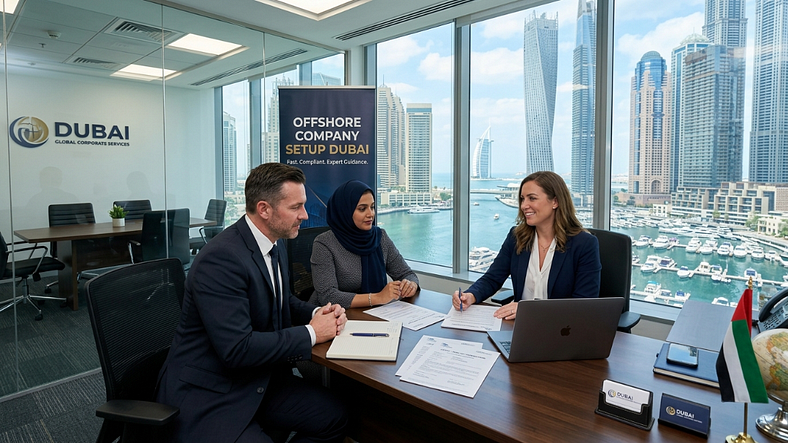
    image-80-1024x603 (1).png

    With strong government support, world-class infrastructure, 100% foreign ownership options, and a tax-friendly business environment, Dubai offers foreign investors a powerful platform to start and expand their businesses. Every year, thousands of entrepreneurs choose business setup in Dubai to access international markets, modern banking facilities, and long-term growth opportunities.

    However, starting a business in Dubai as a foreigner requires the right understanding of mainland, free zone, and offshore company setup options. From choosing the correct business activity and legal structure to securing a trade license, visas, corporate tax registration, and bank account opening, each step must be planned carefully. In this complete guide, Takween Advisory explains how to start a business in Dubai as a foreigner with clear, practical, and SEO-friendly insights to help you build your company with confidence.

    Why Dubai? The Opportunity Every Foreign Entrepreneur Needs to Know About

    Dubai has transformed itself from a desert trading post into one of the world's most dynamic commercial hubs --- and it did so in less than five decades. Today, the emirate attracts over 200,000 new business registrations annually, with foreign entrepreneurs accounting for a lion's share of that growth.

    Here's why savvy global investors are choosing Dubai:

    • 0% personal income tax and no capital gains tax

    • 100% foreign ownership now permitted across most business activities

    • Strategic location bridging Europe, Asia, and Africa

    • World-class infrastructure --- ports, airports, logistics corridors

    • Political stability and a robust legal framework

    • Access to a $3.5 trillion regional market (MENA + South Asia)

    • Streamlined business registration --- often completed in days

    The UAE's Vision 2031 economic diversification agenda continues to open new sectors to international investment, making it one of the best times in history for a foreigner to establish a presence in Dubai.

    At Takween Advisory, we have guided hundreds of entrepreneurs and corporations through the Dubai business formation process. This guide distills that expertise into a clear, actionable roadmap.

    Understanding the Three Business Setup Jurisdictions in Dubai

    Before you register a single document, the most critical decision you'll make is which jurisdiction to operate in. Dubai offers three distinct legal environments, each with its own rules, benefits, and ideal use cases.

    1. Mainland Company Setup

    A mainland company setup in Dubai means your business is registered directly under the Department of Economic Development (DED) and operates under the broader UAE commercial law framework.

    Key advantages of mainland company setup:

    • Unrestricted trading across the UAE --- do business anywhere in the country without geographic limitations

    • Eligibility for government contracts --- only mainland companies can bid on federal and emirate-level tenders

    • No limit on visa quotas --- easier to scale your workforce

    • Full access to the local market --- serve B2C and B2B clients across all seven emirates

    • Physical offices anywhere in Dubai --- no restrictions on location

    What changed recently: The UAE's landmark Commercial Companies Law amendment (2021) now allows 100% foreign ownership on the mainland for the vast majority of business activities, eliminating the long-standing 51% Emirati partner requirement. This is a game-changer for foreign entrepreneurs.

    Mainland is ideal for:

    • Retail and trading businesses targeting the local UAE market

    • Construction, contracting, and project-based industries

    • Professional services firms (consulting, legal, accounting)

    • Restaurants, hospitality, and F& B businesses

    • Any business seeking government contracts

    Typical costs: AED 15,000 --- AED 50,000+ depending on activity and office requirements.

    Takween Advisory's mainland specialists manage the entire DED registration process --- from activity selection to Memorandum of Association drafting and final license issuance.

    2. Freezone Business Setup

    A freezone business setup places your company within one of Dubai's 30+ dedicated free zones, each designed around a specific industry cluster. The Dubai Multi Commodities Centre (DMCC), Dubai Internet City (DIC), Jebel Ali Free Zone (JAFZA), and Dubai International Financial Centre (DIFC) are among the most prestigious.

    Key advantages of freezone business setup:

    • 100% foreign ownership --- guaranteed since inception

    • 100% repatriation of capital and profits --- move your money freely

    • Full exemption from import/export duties within the zone

    • Corporate tax exemptions (up to 50 years in many zones)

    • Simplified, one-stop-shop registration --- many free zones offer end-to-end licensing

    • Purpose-built ecosystems --- networking, co-working, sector-specific incentives

    Freezone is ideal for:

    • Technology, media, and digital businesses

    • Import/export and commodities trading

    • Financial services and fintech companies

    • Holding companies and asset management

    • Startups and e-commerce ventures

    • Consulting firms with an international client base

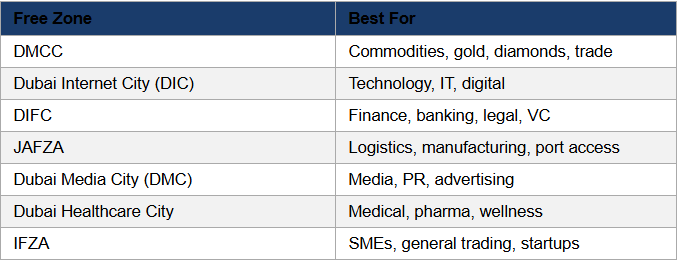
    Popular Free Zones by Sector:

    Takween Advisory is an approved registered agent with multiple free zone authorities, enabling faster processing and priority service for our clients.

    3. Offshore Company Setup Dubai

    An offshore company set up in Dubai is a distinct corporate structure designed primarily for international holding, asset protection, and global trading --- not for conducting business within the UAE domestic market. The two primary offshore jurisdictions are Jebel Ali Offshore (JAFZA Offshore) and RAK ICC.

    Key advantages of offshore company setup:

    • Maximum asset protection --- ideal for holding real estate, intellectual property, and investments

    • Full foreign ownership --- 100% from day one

    • No mandatory physical office --- no UAE resident requirement

    • Confidentiality --- enhanced privacy for shareholders and directors

    • Tax efficiency --- zero corporate and personal tax on international income

    • Estate planning --- effective vehicle for wealth transfer and succession planning

    Offshore is ideal for:

    • International entrepreneurs holding global assets

    • Investors owning Dubai real estate through a corporate structure

    • Holding companies for existing global businesses

    • IP ownership and royalty management

    • High-net-worth individuals seeking wealth structuring

    Takween Advisory provides comprehensive offshore structuring advice, helping clients select the right jurisdiction and corporate configuration to meet their legal, tax, and business objectives.

    Step-by-Step Process: How to Register a Business in Dubai as a Foreigner

    Regardless of which jurisdiction you choose, the business formation journey follows a broadly similar path. Here is the complete process:

    Step 1: Define Your Business Activity

    Dubai's licensing system is activity-based. The specific activity (or activities) you register determines your license type --- Commercial, Professional, Industrial, or Tourism. Takween Advisory helps clients map their intended operations to the correct DED or free zone activity codes.

    Step 2: Choose Your Legal Structure

    Common legal structures for foreign-owned businesses in Dubai include:

    • Limited Liability Company (LLC) --- most common for mainland businesses

    • Free Zone Establishment (FZE) --- single shareholder free zone entity

    • Free Zone Company (FZC/FZCO) --- two or more shareholders

    • Branch of a Foreign Company --- extension of your overseas parent company

    • Sole Establishment --- for individual professionals on the mainland

    • Offshore Company --- for holding and international trading

    Step 3: Select a Trade Name

    Your company name must comply with UAE naming conventions: no offensive or religious connotations, must reflect the business activity, and cannot duplicate existing registered names. The DED's online portal allows you to check availability and submit preferred names.

    Step 4: Obtain Initial Approval

    Before full registration, you need initial approval from the relevant licensing authority (DED for mainland, free zone authority for freezone). Some activities --- banking, insurance, food production, healthcare, education --- require additional approvals from sector-specific regulators.

    Step 5: Draft and Notarise Your MOA / LSA

    For mainland LLCs, you need a Memorandum of Association (MOA) notarised at a UAE Notary Public and, for certain professional licenses, a Local Service Agent (LSA) Agreement with an Emirati individual or company.

    Step 6: Lease Your Office Space

    A physical address is required for most license types. Options include Ejari-registered offices (mainland), flexi-desk/hot desk (free zones), virtual offices (some free zones), or warehouse/industrial units for manufacturing and logistics businesses.

    Step 7: Submit Documents and Pay License Fees

    Standard document requirements for foreign shareholders:

    • Passport copy (all shareholders and directors)

    • UAE residence visa copy (if applicable)

    • Recent bank statement (last 3--6 months)

    • CV / professional profile (for professional licenses)

    • NOC from UAE employer (if currently employed in the UAE)

    • Attested business plan (for certain regulated activities)

    Step 8: Receive Your Trade License

    Upon approval, you receive your Trade License --- the foundational document authorising your business to operate. It must be renewed annually.

    Step 9: Apply for UAE Residence Visas

    Your trade license entitles you to sponsor UAE residence visas including Investor/Partner Visas, Employment Visas, Freelancer Visas, and the 10-year Golden Visa for qualifying investors (AED 2M+ investment threshold).

    Step 10: Open a Corporate Bank Account

    A UAE corporate bank account is essential for operations. Popular banks for foreign-owned businesses include Emirates NBD, ADCB, Mashreq, and RAKBank. Fintech options like Wio Business offer faster account opening for eligible businesses.

    Takween Advisory provides dedicated bank introduction services, connecting clients with relationship managers and significantly improving approval rates.

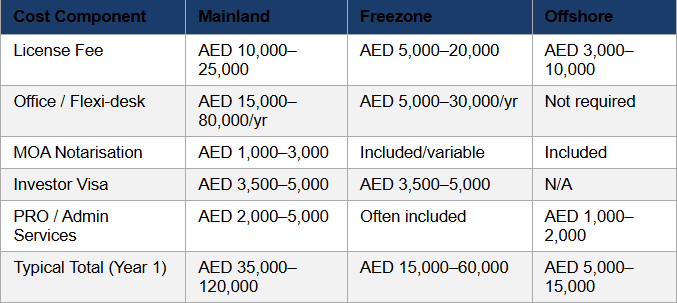
    Cost Overview: What Does Business Setup in Dubai Actually Cost?

    Costs vary considerably based on jurisdiction, activity, and structure. Here is a realistic overview:

    Note: These are indicative ranges. Takween Advisory provides transparent, itemised cost proposals before you commit to anything.

    Corporate Tax in Dubai: What Foreign Business Owners Must Know

    The UAE introduced a 9% Corporate Tax effective June 2023, applicable to taxable income exceeding AED 375,000 (~USD 102,000). Key points for foreign business owners:

    • Businesses earning below AED 375,000 annually pay 0% corporate tax

    • Free zone entities maintaining 'Qualifying Free Zone Person' status may benefit from 0% tax on qualifying income

    • The UAE has signed Double Tax Treaties (DTTs) with over 130 countries --- preventing double taxation on cross-border income

    • VAT at 5% applies to most goods and services; businesses exceeding AED 375,000 in annual taxable turnover must register for VAT

    Proper corporate structuring from day one can significantly reduce your tax exposure. Takween Advisory works with leading UAE tax advisors to build compliant, optimised structures.

    Common Mistakes Foreign Entrepreneurs Make (And How to Avoid Them)

    Based on years of experience at Takween Advisory, these are the pitfalls we see most frequently:

    • Choosing the wrong jurisdiction --- freezone vs mainland must match your business model precisely

    • Selecting the wrong activity code --- a generic activity when a specific one is required can result in fines or license suspension

    • Underestimating office requirements --- some free zones mandate a physical office regardless of business size

    • Ignoring UAE banking complexity --- corporate bank account opening can take weeks without proper preparation

    • Skipping professional legal advice --- a misstep in your MOA or shareholder structure is costly to unwind

    • Not planning for visa requirements --- your license determines how many visas you can sponsor; plan ahead

    Why Choose Takween Advisory for Your Dubai Business Setup

    Takween Advisory is a full-service business formation and corporate advisory firm based in Dubai, with a proven track record of establishing businesses across all three UAE jurisdictions --- mainland, freezone, and offshore.

    Here's what sets us apart:

    End-to-end service --- from initial consultation and jurisdiction selection to license issuance, visa processing, and bank account opening

    • Registered agent status with multiple free zone authorities, ensuring faster processing

    • Expert team comprising legal advisors, PRO specialists, and financial consultants with decades of combined UAE experience

    • Transparent pricing --- no hidden fees, no surprises

    • Multilingual support --- English, Arabic, Hindi, Urdu, and more

    • Post-setup support --- accounting, VAT registration, corporate secretarial, and ongoing compliance services

    Ready to Start Your Business in Dubai? Lets Talk.

    Don't let complexity hold you back from one of the world's greatest business opportunities. At Takween Advisory, we've turned the business setup process from an overwhelming maze into a clear, confident journey --- for hundreds of entrepreneurs just like you.

    Free 30-minute consultation --- we assess your business and recommend the optimal structure

    Transparent cost breakdown --- know exactly what you'll pay before committing

    Dedicated case manager --- one expert handles your entire setup from start to finish

    Fastest possible processing --- priority service through our registered agent channels

    In case you are learning how to start a business in Dubai as a foreigner and want to know whether offshore setup is suitable for your goals, Takween Advisory can help you offshore business setup dubai with the right jurisdiction, ownership structure, documentation, compliance guidance, and banking support. Offshore company formation is often suitable for international business, asset holding, investment planning, and global structuring, making expert guidance important before starting your Dubai business journey.Trending FAQs: Starting a Business in Dubai as a Foreigner

    Q1: Can a foreigner own 100% of a business in Dubai?

    Yes. The UAE's 2021 Commercial Companies Law amendment permits 100% foreign ownership for most business activities on the mainland. Free zones have always allowed 100% foreign ownership. A small list of 'strategic sectors' (utilities, military, oil production) still require Emirati participation.

    Q2: How long does business setup in Dubai take?

    A freezone business can be registered in as little as 3--7 business days for straightforward activities. Mainland company setup typically takes 2--4 weeks including notarisation and approvals. Regulated activities take longer due to additional approval requirements.

    Q3: Do I need to be physically present in Dubai to set up a company?

    For many free zone setups, the process can be completed remotely with properly attested documents. Mainland registration often requires a physical visit for notarisation or can be done via a Power of Attorney arrangement. Takween Advisory facilitates remote formation for international clients.

    Q4: What is the minimum capital requirement for a Dubai company?

    Most free zones and mainland activities have no minimum share capital requirement in practice, though the MOA typically states a nominal capital (often AED 50,000--300,000 for an LLC). Some regulated activities have significant paid-up capital requirements.

    Q5: Can I get a UAE residence visa through my Dubai company?

    Yes. As a shareholder or investor in a UAE company, you are eligible to apply for a UAE residence visa (typically 2--3 years, renewable). You can also sponsor family members and employees. The Golden Visa (10 years) is available to qualifying investors.

    Q6: What is the difference between a freezone and offshore company in Dubai?

    A freezone company can operate within the UAE, maintain a physical office, and sponsor residence visas. An offshore company setup in Dubai is designed for international holding and asset structuring --- it cannot conduct business within the UAE, cannot have a physical office, and does not issue residence visas.

    Q7: Do I need a local Emirati partner for a mainland company?

    For most activities, no --- following the 2021 law reform. However, certain regulated activities (security services, recruitment agencies, oil refining) still mandate Emirati participation. Takween Advisory advises clients on the current restricted activity list.

    Q8: Which Dubai free zone is best for a startup?

    It depends on your industry. IFZA and SHAMS are popular for cost-effective startup licensing. DMCC is premium for trading and commodities. Dubai Internet City and in5 Tech are preferred for tech startups. Takween Advisory provides a bespoke free zone comparison based on your specific activity and budget.

    Q9: Is there a difference between a trade license and a business license in Dubai?

    The terms are used interchangeably. In formal UAE terminology, the document is a Trade License, issued by the DED (mainland) or free zone authority. It specifies your permitted business activities.

    Q10: Can I operate an e-commerce business from a Dubai free zone?

    Yes. Many entrepreneurs set up their e-commerce business in a Dubai free zone --- particularly IFZA, SHAMS, or Dubai Commer City (dedicated to e-commerce). You can sell globally, and with a mainland distributor arrangement, you can also sell within the UAE market.

    Conclusion

    Dubai is one of the few places on earth where a foreign entrepreneur can establish a fully operational, internationally credible business in a matter of days --- with zero personal income tax, world-class infrastructure, and access to a global market that few cities can match.

    But the landscape has nuances. The choice between mainland company setup, freezone business setup, and offshore company setup in Dubai is not a trivial one --- it will shape your operational flexibility, tax position, visa eligibility, and long-term growth potential.

    Getting this right from day one is far less costly than restructuring later.

    Whether you're a solo entrepreneur launching a consulting practice, a tech founder building a SaaS product, or a multinational seeking a regional headquarters, the UAE has a structure built for you.

    Disclaimer: Takween Advisory is a licensed business setup consultancy in the United Arab Emirates. The information in this blog is provided for general guidance only and does not constitute legal, tax, or financial advice. UAE business regulations may change from time to time, so always verify the latest requirements with our team before making any business decision.

  • Login

  • Don't have an account? Register

  • Login or register to search.
  • First post
    Last post
0
  • Categories
  • Recent
  • Tags
  • Popular
  • Users
  • Groups