
Cable or No Cable? Solving Dubai's Most Common Security Setup Dilemma
-
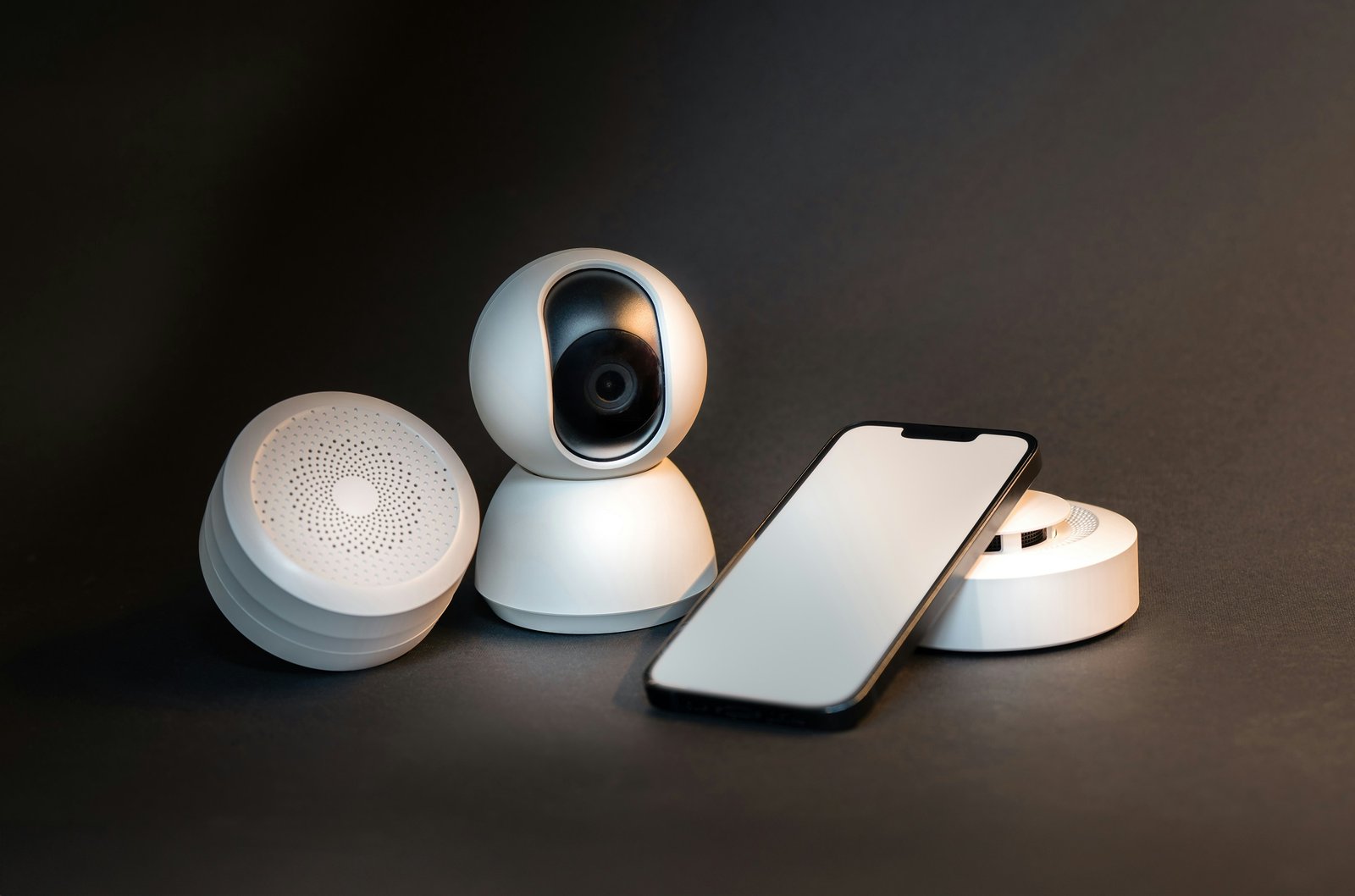
Every property owner planning a new surveillance installation eventually confronts a genuinely fundamental question: should the system rely on traditional wired connections, or does a wireless setup better suit their specific property? A dahua cctv camera is available in both configurations, each offering distinct advantages depending on a property's physical layout, ownership status, and long-term security priorities. Consequently, this guide examines the genuine trade-offs between wired and wireless Dahua systems, helping Dubai property owners determine which approach truly fits their villa, apartment, or commercial space rather than defaulting to whichever option seems most familiar or convenient at first glance.Understanding the Fundamental Differences Between Wired and Wireless Systems
Wired CCTV systems rely on physical cabling to transmit both power and data between each camera and a centralized recording unit, typically requiring professional installation to run cables through walls, ceilings, or dedicated conduit throughout a property. This approach delivers genuinely consistent power supply and stable data transmission, since the connection doesn't depend on maintaining wireless signal strength across potentially challenging distances or through thick walls that might otherwise interfere with connectivity. However, this reliability comes paired with considerably greater installation complexity, since running cables throughout an existing property often requires drilling, wall modifications, and meaningfully more time and expense than many property owners want to commit upfront.
Wireless systems, by contrast, eliminate this installation burden by relying on battery power or simple plug in adapters combined with Wi-Fi connectivity rather than physical cabling between components. A dahua camera designed for wireless operation can typically be mounted using simple screws or adhesive pads, with setup completed independently within minutes rather than requiring a scheduled professional installation appointment involving extensive cable routing. This fundamental difference in installation approach has made wireless systems increasingly popular among Dubai property owners, particularly renters and those seeking a security solution that avoids extensive property modifications.
Matching System Type to Your Property's Ownership Status
Ownership status represents one of the most immediately relevant factors when choosing between wired and wireless systems, since renters and homeowners face genuinely different practical constraints regarding property modification. Tenants across Dubai's apartment buildings typically operate under lease agreements that restrict drilling, wall alterations, or other permanent changes, making wireless systems the considerably more practical choice for this substantial segment of the property market. A wireless dahua cctv setup allows tenants to achieve genuine security coverage without risking their security deposit or violating tenancy terms that would otherwise prohibit the cable routing that wired installation typically requires.
Conversely, homeowners planning long-term, permanent security infrastructure for a villa or property they own outright often find that wired systems deliver superior long-term value, since the upfront installation investment pays dividends through consistent, uninterrupted power delivery and reduced ongoing maintenance compared to battery-powered alternatives. Dahua security cameras installed as part of a comprehensive wired system also typically integrate more seamlessly with centralized recording infrastructure spanning an entire property, making this approach particularly well-suited to villa owners planning extensive, permanent coverage across multiple entry points, garden areas, and perimeter zones from the very beginning of their ownership.
Weighing Practical Performance Considerations for Dubai Conditions
Beyond ownership status, Dubai's specific climate and property characteristics introduce additional considerations worth evaluating carefully before committing to either approach. Wireless systems depend on consistent Wi Fi signal strength throughout a property, and larger villas with thick walls or significant distances between cameras and the central router may experience connectivity challenges that wired systems simply don't face, given their direct physical connection regardless of distance or structural interference. Property owners considering wireless options should realistically assess their property's wireless coverage before committing, potentially through simple signal strength testing at intended camera locations before finalizing equipment purchases.
Additionally, extreme summer temperatures across the UAE can affect battery performance in wireless systems, since sustained high heat generally accelerates battery degradation compared to more moderate climate conditions elsewhere. A dahua camera relying on battery power benefits from thoughtful power management features designed to maintain consistent performance despite this added thermal stress, and property owners in particularly hot, exposed installation locations should factor this consideration into their overall system planning. Wired systems avoid this specific concern entirely, since continuous power delivery through cabling remains unaffected by ambient temperature in the same way that battery chemistry can be, making this a genuinely relevant factor for properties with cameras mounted in direct, prolonged sun exposure.
Considering Scalability and Future Expansion Plans
Property owners should also think carefully about how their security needs might evolve over time when choosing between wired and wireless approaches, since scalability differs meaningfully between these two system types. Wireless systems generally offer easier incremental expansion, since adding an additional camera typically requires nothing more than mounting the new device and connecting it to the existing Wi Fi network, without needing to run additional cabling to accommodate the expanded coverage. This flexibility particularly benefits property owners who anticipate gradually building out their security coverage over time rather than installing a complete system all at once.
However, wired systems, despite requiring more upfront planning, often provide superior long term scalability for genuinely large, complex installations, since properly planned cable infrastructure built around dahua security cameras can accommodate considerably more cameras and higher data throughput than wireless networks can reliably support once camera count grows substantially. Dahua security cameras deployed across an extensive wired network benefit from this dedicated infrastructure capacity, making wired systems the more appropriate choice for larger commercial properties or expansive villa compounds anticipating comprehensive, high-camera-count coverage from the outset rather than gradual, incremental expansion over subsequent years.
Making the Right Choice for Your Specific Situation
Given these various considerations, property owners should approach this decision by honestly assessing their specific circumstances rather than assuming one approach universally outperforms the other across every scenario. Renters, property owners prioritizing installation simplicity, and those planning modest, gradually expanding coverage generally find that wireless systems align considerably better with their practical needs and constraints. The ability to install, relocate, or expand coverage without professional assistance offers genuine convenience that outweighs the modest additional maintenance that battery powered systems require.
Conversely, homeowners planning comprehensive, permanent surveillance coverage for a property they own outright, particularly those willing to invest in professional installation from the beginning, often find that a wired system's consistent power delivery and superior scalability better serves their long term security strategy. Ultimately, this decision comes down to weighing installation convenience and flexibility against the enhanced reliability and scalability that wired infrastructure provides, a genuine trade-off that varies significantly based on individual property characteristics, ownership status, and long term security planning horizons.
Choosing Confidently for Your Dubai Property
Ultimately, neither wired nor wireless represents a universally correct choice, since each approach delivers genuine advantages depending on a property's specific circumstances, ownership status, and long-term security objectives. Understanding these practical differences empowers Dubai property owners to make a genuinely informed decision rather than defaulting to whichever configuration happens to be most commonly marketed or most familiar from previous experience with older surveillance technology.
As more Dubai households and businesses continue investing in comprehensive security infrastructure built around dependable dahua security cameras, taking the time to thoughtfully evaluate wired versus wireless options against genuine property characteristics ensures that the resulting system delivers reliable, appropriate protection for years to come. Whether choosing a wired system's permanent, high capacity infrastructure or a wireless setup's flexible, renter-friendly convenience, property owners who approach this decision with genuine understanding of their own specific needs position themselves for considerably greater long term satisfaction than those who select a system type without proper consideration of how well it genuinely matches their property's unique circumstances.