
Why Quality Slitter Blades Matter for Production Efficiency
-
In modern manufacturing industries, precision and speed are essential for maintaining high production standards. Whether working with metal, paper, plastic films, foil, textiles, or packaging materials, manufacturers rely heavily on cutting tools to ensure smooth and accurate operations. Among these tools, slitter blades play a crucial role in achieving clean cuts, reducing material waste, and improving operational efficiency.
Many businesses underestimate the importance of using high-quality slitter blades. However, the performance of these blades directly impacts productivity, machine downtime, product quality, and overall operational costs. Investing in durable and precision-engineered slitter blades can significantly improve manufacturing performance while helping companies maintain consistent output.
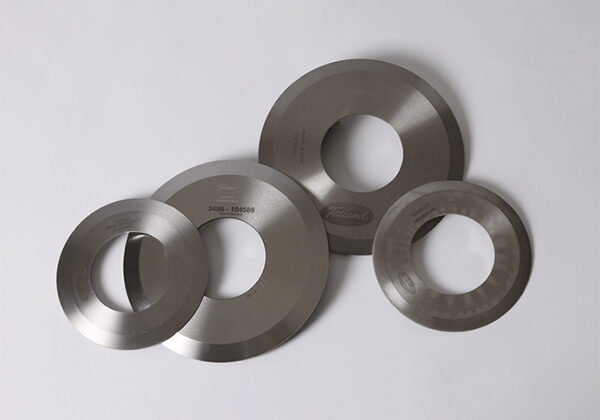 image url)
Understanding Slitter Blades
Slitter blades are industrial cutting tools used in slitting machines to cut large rolls or sheets of material into smaller widths. These blades are commonly used in industries such as:
Metal processing
Packaging
Paper manufacturing
Plastic film production
Textile manufacturing
Printing industries
Foil and laminate processingThe main purpose of slitter blades is to provide clean, accurate, and consistent cuts while operating at high speeds. Depending on the application, manufacturers use different blade materials, edge designs, and coatings to achieve the desired cutting performance.
The Importance of Precision in Manufacturing
Precision is one of the most critical factors in industrial production. Poor cutting quality can lead to uneven edges, damaged materials, and increased waste. Low-quality blades often lose sharpness quickly, causing inconsistent cuts that affect the final product.
High-quality slitter blades are designed with precision engineering to maintain sharp edges for longer periods. This ensures smooth cutting performance and consistent product dimensions throughout the production cycle.
Accurate cutting also reduces the chances of defective products reaching customers. In industries where exact measurements are essential, precision slitting helps maintain quality standards and customer satisfaction.
Improved Production Speed
Manufacturing facilities constantly aim to increase production speed without compromising quality. Slitter blades that are poorly manufactured or made from inferior materials often struggle to handle high-speed operations. This can result in machine stoppages, blade vibrations, and irregular cuts.
Quality slitter blades are designed to operate efficiently under demanding production conditions. Their superior sharpness and durability allow machines to run at optimal speeds while maintaining cutting accuracy.
When blades perform consistently, operators can reduce interruptions and maintain continuous workflow. Faster and smoother operations ultimately lead to increased production output and improved efficiency.
Reduced Machine Downtime
Machine downtime is one of the biggest challenges in industrial manufacturing. Frequent blade replacements, maintenance issues, and production interruptions can reduce profitability and delay delivery schedules.
Low-quality slitter blades wear out faster, requiring more frequent replacements. Each blade change involves stopping the machine, which leads to lost production time.
High-quality blades offer longer service life and better wear resistance. Because they maintain sharpness for extended periods, manufacturers experience fewer interruptions and lower maintenance requirements.
Reduced downtime provides several advantages:
Increased production capacity
Lower maintenance costs
Better workforce productivity
Faster order completion
Improved operational reliabilityBy minimizing unnecessary stoppages, businesses can maintain smoother manufacturing processes.
Lower Material Waste
Material waste directly affects production costs. Poor-quality blades often create rough or uneven cuts, leading to damaged products and unusable materials.
In industries such as paper, film, and metal processing, even small cutting errors can result in significant financial losses over time.
Quality slitter blades help reduce waste by delivering clean and accurate cuts throughout the production process. Their sharp edges minimize tearing, fraying, and edge deformation, ensuring maximum material utilization.
Lower waste levels provide important benefits, including:
Reduced raw material costs
Improved sustainability
Better inventory management
Higher profit marginsManufacturers that focus on reducing waste can achieve more cost-effective operations while supporting environmentally responsible practices.
Enhanced Product Quality
The quality of the final product often depends on the precision of the cutting process. Customers expect products with clean edges, accurate dimensions, and professional finishing.
Dull or poorly designed blades can create defects such as:
Burrs
Jagged edges
Surface scratches
Uneven widths
Material distortionThese defects may lead to rejected products, customer complaints, or additional finishing work.
Premium slitter blades are engineered to provide smooth and flawless cuts, helping manufacturers maintain high product standards. Consistent cutting quality improves customer confidence and strengthens brand reputation.
Longer Blade Lifespan
One of the key advantages of quality slitter blades is their extended lifespan. High-grade blade materials such as tungsten carbide, hardened steel, and specialty alloys offer excellent resistance to wear and corrosion.
Advanced heat treatment and coating technologies further improve blade durability. These features help blades maintain cutting performance even under high-pressure industrial conditions.
Although premium blades may have a higher initial cost, their longer operational life reduces replacement frequency and overall tooling expenses.
A longer blade lifespan means:
Fewer blade purchases
Lower maintenance requirements
Reduced labor costs
Improved operational efficiencyOver time, investing in better blades becomes more economical for manufacturers.
Better Operator Safety
Safety is a major concern in manufacturing environments. Damaged or worn-out slitter blades can increase the risk of accidents and machine malfunctions.
Low-quality blades may chip, crack, or break during operation, creating dangerous situations for machine operators.
Quality slitter blades undergo strict manufacturing and quality control processes to ensure structural reliability. Their stable performance reduces unexpected failures and improves workplace safety.
Reliable blades also allow operators to handle machines with greater confidence and fewer operational risks.
Compatibility with Modern Machinery
Modern slitting machines are designed for high-speed, automated production systems. These machines require cutting tools that can handle advanced operational demands.
Inferior blades may not perform effectively with precision machinery, resulting in poor alignment, excessive vibration, and inconsistent cutting performance.
High-quality slitter blades are manufactured to precise tolerances, ensuring proper fit and compatibility with industrial equipment. This helps machines operate more smoothly and efficiently.
Manufacturers using advanced production lines benefit significantly from blades that support automation and precision engineering.
Customization for Specific Applications
Different industries require different cutting solutions. Materials such as aluminum foil, plastic films, paper rolls, and steel coils all have unique cutting requirements.
Quality blade manufacturers often provide customized slitter blades tailored to specific applications. Customization options may include:
Blade diameter
Edge geometry
Coating type
Material selection
Hardness levelsCustomized blades improve cutting accuracy and operational performance for specialized manufacturing needs.
Choosing the right blade design ensures optimal efficiency for each production environment.
Cost Efficiency in the Long Run
Some businesses choose cheaper blades to reduce short-term expenses. However, low-cost blades often lead to higher long-term operational costs due to:
Frequent replacements
Increased downtime
Higher waste levels
Poor product quality
Additional maintenanceQuality slitter blades deliver better overall value by improving efficiency and reducing hidden production costs.
When businesses calculate the total cost of ownership, premium blades often prove more cost-effective than cheaper alternatives.
Choosing the Right Slitter Blade Supplier
Selecting the right supplier is just as important as choosing the blade itself. Reliable manufacturers provide:
Precision-engineered products
High-quality materials
Custom blade solutions
Technical support
Consistent quality standardsWorking with an experienced supplier helps businesses find the best slitting solutions for their operational requirements.
Before purchasing slitter blades, manufacturers should evaluate:
Industry experience
Product quality
Manufacturing capabilities
Customer reviews
Technical expertiseA trusted supplier can contribute significantly to production efficiency and long-term operational success.
Conclusion
Slitter blades are essential components in many industrial manufacturing processes. Their quality directly impacts cutting precision, production speed, machine reliability, and overall operational efficiency.
High-quality slitter blades help manufacturers reduce downtime, minimize waste, improve product quality, and lower long-term production costs. They also support safer working environments and better compatibility with modern machinery.