
What Impacts the Cost of Plastic Injection Molding Services?
-
Plastic injection molding is one of the most efficient and cost-effective manufacturing processes for producing high-quality plastic components in large volumes. From automotive and medical equipment to consumer goods and electronics, businesses across various industries rely on this process for precision, consistency, and scalability. However, one question many manufacturers ask before starting a project is: What determines the cost of plastic injection molding services?
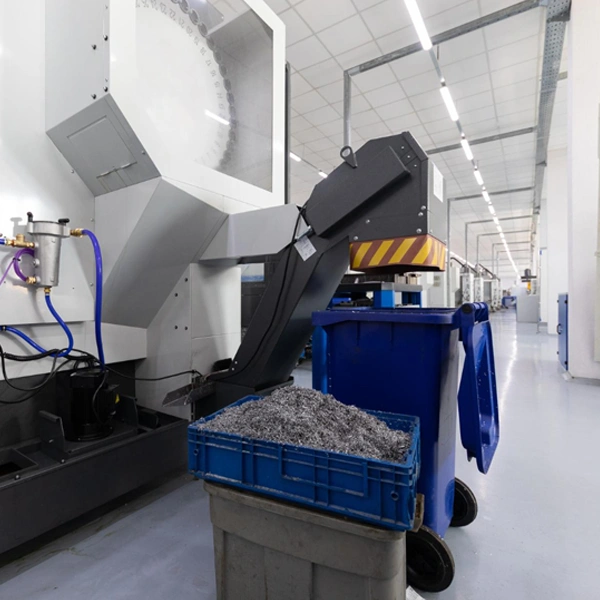
The answer depends on several factors, including product design, material selection, tooling complexity, production volume, and quality requirements. Understanding these cost drivers can help businesses make informed decisions and maximize the value of their investment. Companies like Nubsplastics Inc work closely with clients to optimize every stage of plastic injection mold making to deliver reliable, high-quality parts while controlling production costs.
Product Design Complexity
One of the biggest factors affecting injection molding costs is the complexity of the product design. Parts with intricate geometries, undercuts, thin walls, or tight tolerances require more advanced mold designs and specialized manufacturing techniques.
Simple components are generally less expensive because they require fewer machining operations and simpler tooling. On the other hand, highly detailed parts often involve additional engineering, testing, and precision machining, increasing the overall project cost.
Designing components with manufacturability in mind can reduce unnecessary expenses while maintaining excellent product performance.
Mold Design and Tooling
The mold is the foundation of every injection molding project. Since molds are custom-built for each product, tooling often represents the largest upfront investment.
Several factors influence tooling costs, including:
- Mold size
- Number of cavities
- Steel quality
- Cooling system design
- Surface finish requirements
- Expected production lifespan
High-quality molds cost more initially but provide superior durability and consistent part quality over thousands or even millions of production cycles. Investing in professional plastic injection mold making helps reduce long-term maintenance and replacement expenses.
Material Selection
The type of plastic resin used significantly impacts manufacturing costs.
Commodity plastics such as polypropylene (PP) and polyethylene (PE) are generally more affordable, while engineering-grade materials like ABS, nylon, polycarbonate, or PEEK offer enhanced performance but come at a higher price.
Material selection should consider:
- Mechanical strength
- Heat resistance
- Chemical resistance
- UV stability
- Flexibility
- Regulatory compliance
Choosing the right material ensures the final product meets performance expectations without unnecessary material expenses.
Production Volume
Production quantity plays a major role in determining the overall cost per part.
Although mold creation requires a significant initial investment, larger production runs spread tooling costs across more units, reducing the price of each individual component.
Low-volume manufacturing often has a higher per-unit cost, while high-volume production offers substantial economies of scale.
Manufacturers typically optimize mold designs based on anticipated production volumes to achieve the best balance between upfront investment and long-term savings.
Part Size and Weight
Larger components require more plastic material and longer molding cycles, both of which increase production costs.
Similarly, heavier parts consume more raw material, directly affecting manufacturing expenses.
Engineers often redesign parts to minimize unnecessary material usage while maintaining structural integrity. This approach reduces material costs, shortens cycle times, and improves production efficiency.
Mold Cavities
A mold can contain one cavity or multiple cavities.
Single-cavity molds are less expensive to manufacture but produce fewer parts per cycle. Multi-cavity molds require a higher initial investment but dramatically increase production efficiency by manufacturing several identical parts simultaneously.
For high-volume production, multi-cavity molds often provide significant long-term cost advantages.
Cycle Time
Cycle time refers to the total time required to complete one molding process.
Several factors influence cycle time:
- Material cooling rate
- Part thickness
- Mold design
- Machine performance
- Cooling system efficiency
Shorter cycle times improve manufacturing productivity and lower production costs by increasing output without additional labor.
Experienced manufacturers continually optimize cycle times while maintaining product quality.
Quality Requirements
Products used in industries such as medical, aerospace, and automotive often require extremely tight tolerances and extensive quality inspections.
Additional quality assurance processes may include:
- Dimensional inspections
- Functional testing
- Material verification
- Surface finish evaluation
- Documentation and traceability
Although these procedures increase manufacturing costs, they ensure consistent performance and compliance with industry standards.
Secondary Operations
Some molded components require additional finishing processes after molding.
These may include:
- Assembly
- Drilling
- Painting
- Printing
- Ultrasonic welding
- Insert installation
- Packaging
Every secondary operation adds labor, equipment, and processing time, increasing the total project cost. Whenever possible, manufacturers incorporate design features that reduce or eliminate post-processing requirements.
Maintenance and Mold Longevity
Proper mold maintenance directly affects production efficiency and long-term costs.
Regular cleaning, lubrication, inspection, and preventive maintenance help prevent unexpected downtime and expensive repairs.
High-quality tooling produced during plastic injection mold making generally lasts much longer and delivers consistent results throughout extended production runs.
Engineering Support
Working with an experienced manufacturing partner can significantly reduce overall project expenses.
Professional engineering teams review product designs before production begins to identify opportunities for:
Material savings
- Improved manufacturability
- Reduced cycle times
- Simplified tooling
- Lower maintenance requirements
Early collaboration often prevents costly design revisions later in the project.
Why Choose Nubsplastics Inc?
Choosing the right manufacturing partner is just as important as selecting the right production process. Nubsplastics Inc provides comprehensive injection molding solutions, from product development and mold design to production and quality control. Their experienced team focuses on precision engineering, efficient manufacturing processes, and customer-focused service to help businesses achieve reliable, cost-effective results.
With extensive expertise in plastic injection mold making, Nubsplastics Inc delivers durable tooling, consistent product quality, and manufacturing solutions tailored to each client's unique requirements. Whether your project involves prototype development or large-scale production, their commitment to innovation and quality helps ensure long-term success.
Conclusion
The cost of plastic injection molding services depends on a combination of factors, including product design, material selection, tooling complexity, production volume, quality standards, and post-processing requirements. While upfront investments such as mold creation may appear significant, efficient planning and professional engineering can substantially reduce long-term manufacturing costs.
Partnering with an experienced company like Nubsplastics Inc ensures every stage of plastic injection mold making is optimized for quality, efficiency, and value. By understanding the key cost drivers and working with knowledgeable professionals, businesses can achieve high-performance plastic components while maximizing their return on investment.