
Why Acid Waste Neutralization Is Essential in Modern Laboratories
-
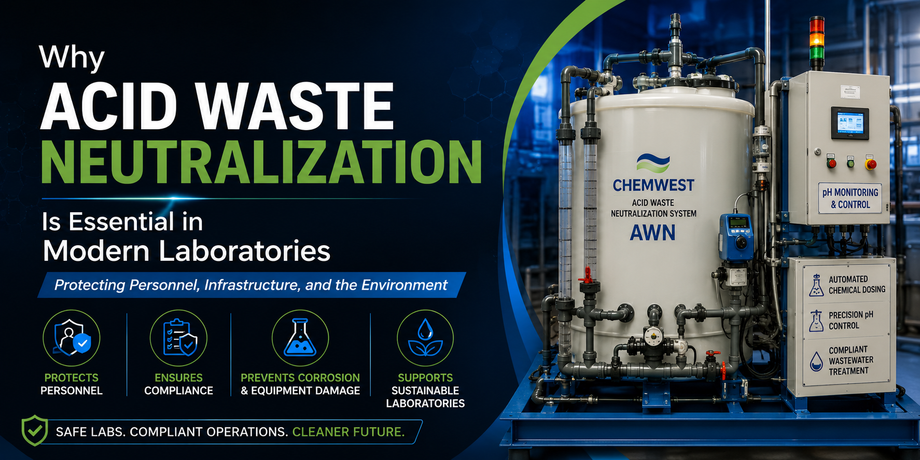
Modern laboratories play a critical role in scientific research, product development, quality control, and educational activities. Whether in pharmaceutical facilities, chemical manufacturing plants, universities, or research institutions, laboratories frequently handle a wide range of acids that can generate hazardous waste. Proper management of these acidic wastes is crucial for maintaining safety, protecting the environment, and complying with regulatory standards. Acid waste neutralization is an essential component of laboratory operations, helping facilities manage hazardous waste safely and effectively.
Without effective treatment systems, acidic waste can pose significant risks to laboratory personnel, damage plumbing infrastructure, and contaminate local water systems. As environmental regulations continue to become more stringent, laboratories must adopt reliable solutions to manage hazardous waste responsibly.
Understanding Acid Waste in Laboratories
Laboratories use various acids, including hydrochloric acid, sulfuric acid, nitric acid, phosphoric acid, and acetic acid, for testing, analysis, cleaning, and research purposes. Once these chemicals have served their intended purpose, they often become waste products that require proper disposal.
Acidic waste cannot simply be poured down the drain because of its corrosive properties. High or low pH levels can damage pipes, interfere with wastewater treatment processes, and create environmental hazards. Additionally, improper disposal may violate local, state, and federal regulations, resulting in penalties and legal consequences.
This is why implementing a reliable acid waste neutralization process is essential before disposal.
Protecting Laboratory Personnel
One of the primary reasons laboratories invest in waste treatment systems is to ensure employee safety. Acidic solutions can cause severe burns, respiratory issues, and eye injuries if handled improperly. During disposal procedures, workers face increased risks if waste is not adequately treated.
Neutralization systems help reduce these hazards by converting highly acidic waste into a safer, more manageable form. Automated systems can further enhance safety by minimizing direct contact between laboratory personnel and hazardous chemicals.
By reducing exposure to dangerous substances, laboratories create a safer working environment and lower the risk of workplace accidents.
Environmental Protection and Sustainability
Environmental responsibility has become a major priority for organizations worldwide. Laboratories generate waste streams that, if released untreated, can negatively impact soil, groundwater, rivers, and municipal wastewater systems.
Effective acid waste neutralization helps prevent harmful chemicals from entering the environment. By adjusting the pH of wastewater to acceptable levels before discharge, laboratories can significantly reduce their environmental footprint.
Sustainable waste management practices not only protect natural resources but also demonstrate an organization's commitment to environmental stewardship. This commitment can enhance a company's reputation among clients, regulatory agencies, and the public.
Regulatory Compliance Requirements
Government agencies and environmental authorities enforce strict regulations regarding the disposal of hazardous chemical waste. Laboratories are required to ensure that wastewater discharged into municipal systems meets established pH limits and safety standards.
Failure to comply with these regulations can result in:
- Financial penalties
- Regulatory investigations
- Legal liabilities
- Damage to organizational reputation
- Operational disruptions
A properly designed acid waste neutralization system helps laboratories maintain compliance with wastewater discharge regulations. Automated monitoring and control features ensure consistent performance and accurate pH management, reducing the risk of violations.
Preventing Damage to Plumbing and Infrastructure
Acidic waste can be extremely corrosive. Over time, untreated acids can damage laboratory sinks, pipes, storage tanks, and drainage systems. The resulting repairs can be expensive and may disrupt laboratory operations.
Neutralizing acidic wastewater before it enters plumbing systems helps protect valuable infrastructure. Maintaining proper pH levels extends the lifespan of pipes and equipment while reducing maintenance costs.For laboratories that handle significant volumes of acidic waste, investing in a neutralization system can provide substantial long-term savings by preventing costly damage and repairs.
Improving Operational Efficiency
Modern laboratories require efficient waste management processes that do not interfere with daily operations. Manual treatment methods can be time-consuming, inconsistent, and labor-intensive.
Advanced neutralization systems offer automated monitoring, chemical dosing, and pH control capabilities. These features simplify waste treatment procedures and allow laboratory personnel to focus on their primary responsibilities rather than managing hazardous waste.
An efficient acid waste neutralization system improves workflow, enhances productivity, and ensures consistent treatment results across all laboratory operations.
Supporting Sustainable Laboratory Design
Many organizations are pursuing sustainability initiatives and green building certifications. Proper waste treatment systems contribute significantly to these efforts by reducing environmental impacts and promoting responsible resource management.
Laboratories designed with integrated neutralization systems demonstrate a proactive approach to environmental protection. These systems help facilities meet sustainability goals while supporting safe and compliant operations.
As green laboratory practices continue to gain importance, waste treatment technologies will remain a key component of environmentally responsible facility design.
Features of Modern Neutralization Systems
Today's acid waste treatment systems incorporate advanced technologies that improve performance and reliability. Common features include:
- Automated pH monitoring
- Chemical dosing controls
- Real-time system alerts
- Data logging and reporting
- Corrosion-resistant construction
- Remote monitoring capabilities
- Compliance documentation support
These technologies provide laboratories with greater control over waste treatment processes while reducing operational risks.
Choosing the Right Neutralization Solution
Selecting the appropriate system depends on several factors, including:
- Laboratory size
- Waste volume generated
- Types of acids used
- Regulatory requirements
- Available installation space
- Budget considerations
Working with experienced laboratory equipment providers can help facilities identify the most effective solution for their specific needs. A properly designed system ensures optimal performance, safety, and compliance for years to come.
The Future of Laboratory Waste Management
As laboratories continue to evolve, waste treatment technologies are becoming more sophisticated. Automation, smart monitoring systems, and advanced data analytics are improving the efficiency and reliability of neutralization processes.
Future innovations will likely focus on increasing sustainability, reducing chemical consumption, and enhancing regulatory compliance capabilities. Laboratories that invest in modern waste treatment solutions today will be better prepared to meet future environmental and operational challenges.
Conclusion
Acidic waste management is a critical responsibility for every laboratory. Proper acid waste neutralization protects employees, preserves infrastructure, supports environmental sustainability, and ensures compliance with regulatory standards. As laboratories handle increasingly complex chemical processes, the importance of reliable neutralization systems continues to grow.
By implementing effective waste treatment strategies, laboratories can operate more safely, reduce environmental impacts, and maintain compliance with industry regulations. Investing in modern neutralization technology is not only a regulatory necessity but also a smart long-term decision that supports operational efficiency and environmental responsibility.